

Have you ever wondered why your mango tree isn’t producing any fruit? You’re not alone. Many mango lovers face this frustrating issue, watching their trees grow lush and green but fail to bear delicious mangoes.
Understanding the reasons behind this can save you time and effort. Whether it’s a lack of proper care, environmental factors, or even tree age, identifying the problem is the first step to getting your mango tree back on track. This article will guide you through common causes and provide practical tips to help your tree thrive and finally produce those sweet, juicy fruits you’ve been dreaming of.
Key Takeaways
- Environmental Factors Matter: Mango trees require full sunlight for at least six hours daily and thrive in consistent temperatures between 70°F and 85°F; avoid frost-prone areas.
- Nutrient Deficiencies: Insufficient nitrogen, phosphorus, or potassium can hinder fruit production; conduct soil tests and use appropriate fertilizers to remedy deficiencies.
- Address Pest Infestations: Regular inspections can help detect pests like aphids and scales early; treat infestations with insecticidal soap or neem oil.
- Proper Care and Maintenance: Prune during dormancy, water deeply every one to two weeks, and follow a balanced fertilization schedule to support healthy growth and fruiting.
- Create Ideal Growing Conditions: Ensure well-draining soil with a pH of 5.5 to 7.5; mix in organic matter for better nutrient availability and drainage.
- Signs of a Healthy Tree: Look for vibrant green leaves and abundant flowering patterns to assess the health of your mango tree, crucial for successful fruiting.
Common Reasons For Lack of Fruiting
Understanding why your mango tree isn’t producing fruit involves looking at several common factors. Addressing these issues can help promote healthy growth and increase fruit yield.
Recommended Products

CITRUS PLANT FOOD: This avacado, mango and citrus fruit tree fertilizer feeds plants for up to 3 months and nourishes above and below the soil

Premium Neem Oil Plant Wash – 8 oz Bottle – Infused with neem oil and a natural blend of essential oils (tea tree, clove, sage, thyme, cedarwood, lemongrass, peppermint, garlic, and capsicum)
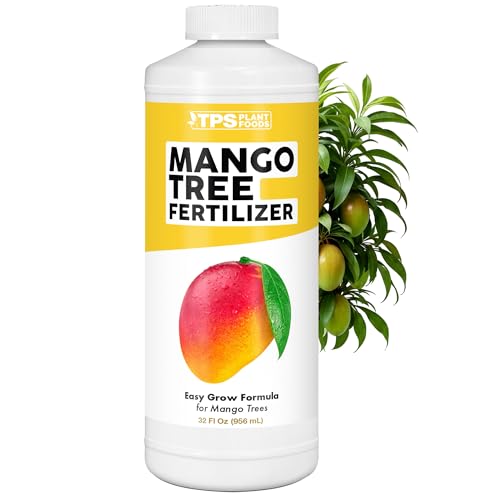
Made for Mango Trees – Formulated to support healthy growth in mango and tropical fruit trees.
Environmental Factors
Environmental conditions significantly influence fruiting. Mango trees thrive in warm climates and need full sunlight for at least six hours each day. If your tree is shaded, it might not produce fruit. Additionally, temperature fluctuations can impact flowering. Consistent temperatures between 70°F and 85°F (21°C to 29°C) are ideal. Frost can also damage blossoms, so ensure your tree’s location is protected from cold winds and severe winter conditions.
Nutrient Deficiencies
Nutrient deficiencies can hinder fruit development. Mango trees need balanced nutrition for optimal growth. Insufficient nitrogen, phosphorus, or potassium can impede flowering. Conduct a soil test to determine nutrient levels. If deficiencies are found, consider using a fertilizer high in the necessary nutrients. Apply fertilizer in early spring before flowering begins. Maintain a regular feeding schedule every few months to support tree health.
Pest Infestations
Pests can damage flowers and reduce fruit yield. Common pests include aphids, scales, and mealybugs. Look for signs of infestation such as wilting leaves or a sticky residue on the tree. Consider using insecticidal soap or neem oil to treat infestations. Regular inspections of your mango tree can help catch pest issues early. Keeping the area around the tree clean can also minimize pest attraction.
Addressing these factors can significantly increase your mango tree’s chances of fruiting.
Care and Maintenance Tips
Proper care and maintenance play a significant role in the fruiting process of your mango tree. Follow these guidelines for optimal growth and fruit production.
Pruning Techniques
Pruning promotes healthy growth and can encourage flowering.
- Timing: Prune during the late winter or early spring when the tree is dormant.
- Tools: Use sharp, clean pruning shears to prevent disease.
- Technique: Remove dead or weak branches, and thin out crowded areas to improve air circulation. Focus on stems with potential flower buds.
Proper Watering Methods
Watering significantly impacts fruit production.
- Frequency: Water deeply every one to two weeks, depending on rainfall and soil moisture.
- Soil Check: Test the soil moisture about two inches below the surface before watering.
- Drainage: Ensure proper drainage to prevent root rot. Avoid waterlogging the soil.
Fertilization Guidelines
Balanced fertilization supports healthy fruiting.
- Type of Fertilizer: Use a balanced, slow-release fertilizer with equal parts nitrogen, phosphorus, and potassium (NPK). Look for products specifically designed for fruit trees.
- Timing: Apply fertilizer three times a year: early spring, early summer, and late summer.
- Soil Test: Conduct a soil test every few years to identify deficiencies and adapt your fertilization approach accordingly.
Following these care and maintenance tips can improve the chances of your mango tree producing fruit.
Ideal Growing Conditions
Creating the right environment is crucial for your mango tree to thrive and produce fruit. Focus on these essential factors.
Recommended Products

COMPLETE INDOOR POTTING SOIL FOR HEALTHY ROOT DEVELOPMENT: A premium potting soil for indoor plants designed to replace generic potting mix or garden dirt. Balances moisture and airflow so roots can breathe and expand. Works as houseplant soil, monstera soil, pothos soil, peace lily potting soil, and tropical plant soil for thriving indoor potted plants of all kinds.

NUTRIENT RICH & PLANT FOOD COMPATIBLE: Our tropical plant soil is full of living beneficial microbes. Enriched with essential nutrients, organic matter, and worm castings, this tropical potting soil works perfectly with Grow Queen Organic All-Purpose Plant Food for robust and healthy growth.
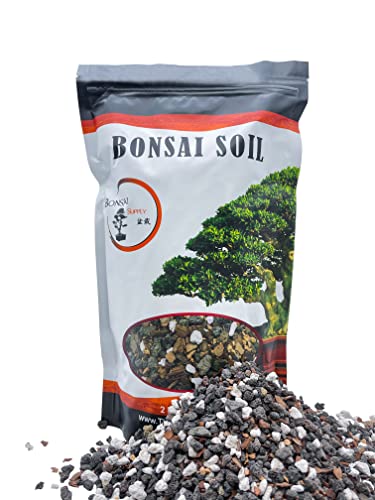
🌱【Ready-to-use Pre-mix】: Simplify repotting your Bonsai and other plants with our premium, fast-draining Bonsai potting soil mix. It comes pre-mixed and sifted for your convenience.
Climate Requirements
Mango trees flourish in warm climates. They need temperatures between 70°F and 100°F (21°C and 38°C) for optimal growth. Freezing temperatures can damage the tree and inhibit fruiting. If you live in cooler regions, consider growing your mango tree in a pot for indoors during winter months. Additionally, ensure your tree receives full sunlight for at least 6 to 8 hours daily. Sunlight supports flowering and fruit set.
Soil Quality Considerations
Soil quality directly impacts your mango tree’s health. Aim for well-draining soil with a pH of 5.5 to 7.5. Sandy loam usually provides the best drainage and nutrients. If your soil retains too much moisture, it can lead to root rot, preventing the tree from fruiting. You can enhance your soil by mixing in organic matter like compost. Regularly test your soil to identify nutrient deficiencies. Apply fertilizers rich in potassium and phosphorus to encourage blooming and fruit development. Proper soil management promotes a robust mango tree and increases fruit yield.
Signs of a Healthy Mango Tree
Healthy mango trees exhibit specific signs that indicate their overall well-being, vital for fruit production. Observing these signs helps you ensure your tree thrives and eventually bears fruit.
Leaf Color and Texture
Look for vibrant green leaves. Healthy mango tree leaves are typically dark green, indicating proper nutrient levels. Leaves should appear smooth and firm, free from holes or discoloration. Yellowing leaves may signal nutrient deficiencies, particularly nitrogen. If you notice any wilting, the tree might need more water or improved drainage.
Flowering Patterns
Observe the flowering patterns closely. A healthy mango tree produces new flowers, usually in spring. Look for clusters of small, creamy-white flowers that develop into fruit. An abundant number of flowers suggests strong health. Limited flowering may point to stress factors like insufficient sunlight or nutrient imbalance. Ensuring proper care during the blooming phase increases the chance of pollination and fruit development.
Conclusion
Getting your mango tree to fruit can feel like a challenge but don’t lose hope. By understanding the factors that influence fruiting and making some adjustments to your care routine you can set your tree up for success.
Focus on providing the right conditions like plenty of sunlight and proper watering. Keep an eye out for pests and ensure your tree gets the nutrients it needs. With a little patience and attention your mango tree can reward you with delicious fruits in time. Enjoy the journey of nurturing your tree and watch it thrive.
Frequently Asked Questions
Why isn’t my mango tree producing fruit?
Many factors can prevent a mango tree from producing fruit, including inadequate care, poor environmental conditions, tree age, and pest issues. Ensuring the tree receives adequate sunlight, water, and nutrients while addressing any pest infestations is essential for fruiting.
What environmental conditions do mango trees need to thrive?
Mango trees flourish in warm climates with temperatures between 70°F and 100°F (21°C and 38°C). They require full sunlight for at least 6 to 8 hours daily. If in cooler areas, consider potting them indoors during winter months.
How often should I water my mango tree?
Mango trees need deep watering every one to two weeks, depending on the climate and soil conditions. Ensure good drainage to prevent root rot, as overwatering can damage the tree.
What type of fertilizer is best for mango trees?
Using a balanced, slow-release fertilizer three times a year is recommended for mango trees. Regular soil testing can help adapt fertilization strategies, focusing on nutrients rich in potassium and phosphorus to boost blooming and fruit development.
How can I tell if my mango tree is healthy?
Healthy mango trees have vibrant green leaves that are smooth and firm. Clusters of small, creamy-white flowers in spring also indicate good health. Yellowing leaves may indicate nutrient deficiencies or stress factors, so monitor them closely.
What are effective pruning techniques for mango trees?
Pruning should be done during late winter or early spring to promote healthy growth and flowering. Focus on removing dead or diseased branches and shaping the tree to improve air circulation and sunlight exposure.
How can I manage pests on my mango tree?
Regular inspections for pests are crucial. Monitor for common issues like aphids or scale insects, and use appropriate treatments when needed. Keeping the tree healthy through proper care can also reduce pest infestations.
