

Do you want your fruit trees to thrive and produce bountiful harvests? Winter is the perfect time to give them the care they need. Many gardeners overlook this crucial season, but pruning during winter can set the stage for healthier trees and better fruit production come spring.
Imagine standing in your yard, looking at your dormant trees. With a little guidance, you can transform those bare branches into a flourishing fruit-bearing wonder. This article will walk you through simple pruning techniques that will help you shape your trees, improve air circulation, and promote new growth. You’ll learn how to make the most of this quiet season, ensuring your fruit trees are ready to shine when the warmer months arrive.
Key Takeaways
- Winter is Ideal for Pruning: Pruning during the dormant season enhances tree health, air circulation, and fruit quality, setting the stage for robust growth come spring.
- Essential Tools: Equip yourself with hand pruners, loppers, pruning saws, gloves, and safety glasses to ensure a safe and effective pruning experience.
- Pruning Techniques: Use thinning, heading back, and cleaning techniques to shape your trees, improve sunlight exposure, and remove dead or diseased wood.
- Timing Matters: Prune from late November to early March, avoiding premature cuts to prevent stress and sap loss in your trees.
- Avoid Common Mistakes: Be cautious of over-pruning, neglecting tool cleanliness, and improper cutting techniques to maintain tree health and optimize fruit production.
Understanding Winter Pruning
Winter pruning is crucial for fruit trees. This season provides an ideal opportunity to shape your trees and improve their overall health. Trees remain dormant during winter, minimizing stress and promoting vigorous growth come spring.
Benefits of Winter Pruning
- Enhanced Air Circulation: Removing excess branches opens up the canopy. Better airflow reduces the risk of disease and allows sunlight to reach inner leaves.
- Improved Fruit Quality: Pruning encourages the development of larger, sweeter fruit. It directs energy to fewer branches, enhancing fruit production.
- Stronger Branches: By eliminating weak or crowded limbs, you promote stronger growth. Healthy branches can better support ripe fruit.
When to Prune
Prune during the dormant season, typically from late November to early March. The specific time depends on your region. Look for a few key signs that indicate it’s time to prune:
- No Leaves Present: This makes it easier to see the tree’s structure. You can identify which branches need attention.
- Cold Weather: Pruning during frigid conditions helps minimize sap loss.
Tools for Winter Pruning
Invest in a few essential tools for effective pruning:
- Hand Pruners: Ideal for small branches, these tools offer precision and control.
- Loppers: Great for thicker branches, loppers provide the leverage needed for cutting.
- Pruning Saw: Use this for larger limbs that require more power.
- Gloves: Protect your hands from cuts and harsh conditions.
Pruning Techniques
Implement these techniques for successful pruning:
- Thinning: Remove entire branches to enhance light penetration and airflow. Target branches that cross or rub against one another to prevent injury.
- Heading Back: Cut back branches to promote new growth. Aim for the outer buds to encourage lateral growth.
- Cleaning: Remove dead, diseased, or damaged wood. Clean cuts help prevent infections.
What to Avoid
Certain practices can harm your fruit trees:
- Don’t Prune Too Early: Avoid pruning before the tree has truly reached dormancy. This could lead to unnecessary stress and sap loss.
- Don’t Over-Prune: Excessive cutting can reduce fruit production. Focus on moderation and clarity in your approach.
Winter pruning sets the stage for robust fruit trees. By understanding its benefits and techniques, you’ll encourage your trees to thrive as the seasons change.
Benefits of Pruning in Winter
Pruning fruit trees in winter offers numerous benefits that lead to healthier trees and a more bountiful harvest. Understanding these advantages helps you make informed decisions during the dormant season.
Improved Tree Health
Improved tree health stems from winter pruning. Removing dead or diseased branches reduces the risk of disease spread. It encourages stronger limbs, as healthy branches can better support growing fruit. Additionally, pruning shapes the tree, allowing for better sunlight exposure and air circulation. Improved airflow prevents pests and diseases, creating a cleaner environment for your trees.
Enhanced Fruit Production
Enhanced fruit production results from careful winter pruning. Well-pruned trees allocate energy efficiently to fruiting branches. Fewer, stronger branches form during spring, leading to larger and healthier fruit. Additionally, winter pruning promotes new growth by eliminating unwanted shoots. Focusing on productive branches improves overall yield, often resulting in a more abundant harvest come summer.
Tools and Equipment Needed
Gathering the right tools and equipment is key to successful winter pruning of fruit trees. Here’s a list of essential items you’ll need, along with some important safety gear.
Essential Pruning Tools
- Hand Pruners: Use sharp hand pruners for small branches, making clean cuts that promote quick healing.
- Loppers: Opt for loppers to reach branches thicker than one inch. They provide leverage for easier cutting.
- Pruning Saw: Choose a pruning saw for larger limbs. A curved blade works well in tight spaces.
- Pole Saw: Consider a pole saw for high branches. It helps maintain safety while reaching new heights.
- Garden Shears: Keep garden shears on hand for shaping and trimming younger trees, enhancing their structure.
- Gloves: Wear durable gloves to protect your hands from cuts and scrapes, ensuring comfort during long sessions.
- Safety Glasses: Use safety glasses to shield your eyes from falling debris and sharp branches.
- Steady Ladder: Utilize a sturdy ladder for higher pruning. Ensure it’s stable to prevent falls while you work.
Having the right tools and safety gear promotes a smooth pruning experience, leading to healthier fruit trees and a bountiful harvest.
Step-By-Step Guide to Pruning
Start the pruning process by assessing the overall structure of your fruit trees. Analyzing their shape helps you determine which branches to keep and which to remove to enhance growth.
Recommended Products
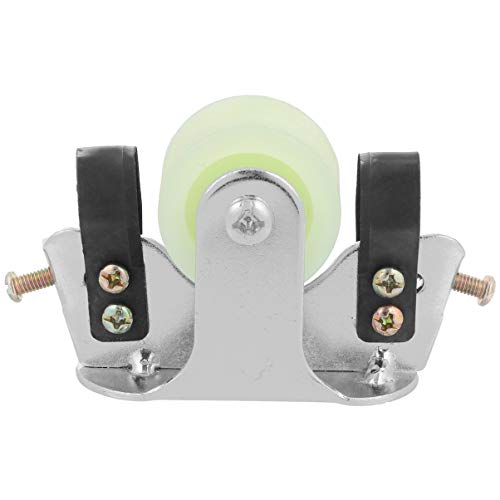
Core Girdling Action: This Girdling Cutter for Fruit Tree removes a ring of bark to help redirect nutrients upward after the wound heals, supporting flower bud formation and fruit set while giving growers a practical Peeling Pruning Tool for seasonal orchard care

Tree Branch Modelling Too: 15 Pcs 3.94in fruit tree branch puller suitible for 0.4in branch, can pull lower the drooping angle of the tree branch. for orchards with apple trees spaced 1-2 meters and tree age 1-3 years, with a pruning angle of 110-135 degrees.
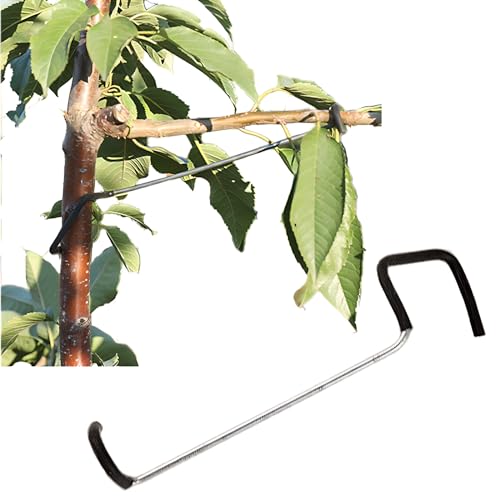
【Not Easy to Damage the Bark】The black part of the branch spreader consists of galvanized iron wire wrapped with the inside of a hose to ensure that the bark does not fray easily. The branch spreader can be reused after removal.
Assessing Tree Structure
- Examine Overall Shape: Stand back and view the tree from different angles. Look for a balanced shape and uniform growth.
- Identify Main Branches: Locate the central leader or main trunk. Aim to maintain one main leader for better structure.
- Evaluate Branch Spacing: Look for branches that cross or crowd one another. Ensure adequate spacing for air circulation and sunlight penetration.
- Check for Damage: Inspect for dead, diseased, or broken branches. Mark any that require removal to prevent disease spread.
- Thinning: Remove selected branches to reduce density. Focus on inward-facing branches and those that overlap to improve light exposure.
- Heading Back: Cut back the tips of branches to encourage bushier growth. Aim for cuts just above buds, directing future growth outward.
- Cleaning: Eliminate deadwood and diseased parts. This pruning enhances overall tree health by preventing pest infestations.
- Shaping Young Trees: For young trees, shape them gradually. This involves removing competing leaders and developing a strong framework.
- Use Proper Cuts: Make clean cuts at a 45-degree angle to prevent water accumulation. Avoid tearing the bark by using the right tools.
By following these steps, you promote healthy growth and increase fruit production for the upcoming season.
Common Mistakes to Avoid
Pruning fruit trees in winter requires attention to detail. Several common mistakes can hinder the overall health and productivity of your trees. Here are key pitfalls to avoid:
- Pruning Too Early: Pruning before dormancy is established can trigger premature growth. Wait until late winter, ideally before buds swell.
- Over-Pruning: Removing excessive branches can stress trees. Aim to prune only 20-30% of the tree each season, focusing on weak, crossing, or dead branches.
- Ignoring Tree Variety: Different fruit trees have unique pruning needs. Research your specific tree type to ensure proper technique and timing.
- Neglecting Clean Tools: Using dirty tools spreads disease. Sterilize pruning shears and saws with isopropyl alcohol before use.
- Failing to Assess Structure: Skipping the assessment of the tree’s shape can lead to uneven growth. Evaluate the tree from multiple angles before pruning.
- Improper Cutting Techniques: Making flush cuts can damage the tree. Always cut at a 45-degree angle, leaving enough bark to encourage healing.
- Forgetting Safety Gear: Pruning can be dangerous if proper precautions aren’t taken. Always wear gloves and safety glasses, and use a stable ladder for higher branches.
By avoiding these common mistakes, you promote healthier growth and a more fruitful harvest in the upcoming season.
Conclusion
Winter pruning is your chance to set the stage for a vibrant fruit tree season. By taking the time to shape and care for your trees now you’re investing in their health and productivity. Remember to gather your tools and gear before diving in and always keep safety in mind.
As you prune keep an eye on the overall structure and focus on encouraging new growth. With a little effort during these colder months you’ll be rewarded with lush trees and a bountiful harvest come summer. Enjoy the process and watch your fruit trees thrive!
Frequently Asked Questions
What is the best time to prune fruit trees in winter?
The ideal time to prune fruit trees is from late November to early March. During this dormant season, trees are less stressed, making it easier for them to recover and thrive when spring arrives.
What are the benefits of winter pruning?
Winter pruning enhances tree health, improves air circulation, and boosts fruit quality. It also encourages stronger branches, better sunlight exposure, and efficient energy allocation for fruit production, leading to a more abundant harvest.
What tools are necessary for winter pruning?
Essential tools for winter pruning include hand pruners for small branches, loppers for thicker branches, and pruning saws for larger limbs. Additionally, consider using garden shears for younger trees, and always wear safety gear like gloves and glasses.
How do I prevent common mistakes in pruning?
To avoid pruning mistakes, ensure you don’t prune too early or over-prune. Assess your tree’s structure beforehand, understand the specific needs of different fruit varieties, and always maintain clean tools to prevent disease spread.
What pruning techniques should I use?
Key pruning techniques include thinning to reduce density, heading back to encourage bushier growth, and cleaning to remove deadwood and diseased branches. Use clean cuts at a 45-degree angle to prevent water accumulation and bark damage.
How can winter pruning promote fruit production?
Winter pruning helps fruit trees allocate energy efficiently to productive branches. By removing unwanted shoots and encouraging new growth, trees can focus on developing larger, healthier fruit for the upcoming season.
