

Have you ever planted a persimmon tree and wondered when you’ll finally get to enjoy its delicious fruit? You’re not alone. Many gardeners share the excitement of nurturing a tree, only to find themselves waiting and wondering if they’ll ever see the rewards of their labor.
In this article, you’ll learn about the timeline for persimmon trees to bear fruit and what factors can influence that process. Whether you’re a seasoned gardener or just starting, understanding the growth stages of your tree can help you set realistic expectations and prepare for that sweet harvest. Let’s explore how long you might need to wait for those tasty persimmons to appear.
Key Takeaways
- Timeframe for Fruiting: Persimmon trees generally start bearing fruit between 3 to 10 years after planting, depending on the species and care provided.
- Varietal Differences: Japanese persimmons typically bear fruit within 3 to 5 years, while American persimmons may take 5 to 10 years. Choosing the right variety can enhance fruiting potential.
- Growing Conditions: Optimal conditions, including full sun (at least 6 hours daily), well-drained soil, and consistent moisture, significantly affect the growth and fruiting speed of persimmon trees.
- Tree Age Matters: Younger trees require more time to reach maturity and typically produce smaller harvests during their early years. Ongoing care is crucial to ensure health and productivity.
- Care and Maintenance: Regular watering, the use of balanced fertilizers, and proper soil management promote healthy growth and fruitful harvests.
- Pollination Needs: Some persimmon varieties are self-pollinating, while others benefit from cross-pollination, impacting fruit production. Know your tree type for optimal results.
Overview of Persimmon Trees
Persimmon trees belong to the genus Diospyros, which includes several species known for their sweet fruit. Understanding these trees helps you appreciate their unique growth characteristics.
Types of Persimmon Trees
- American Persimmon (Diospyros virginiana)
American persimmons thrive in USDA hardiness zones 4 through 9. They grow to about 30 to 60 feet in height and produce smaller, flavorful fruits. - Japanese Persimmon (Diospyros kaki)
Japanese persimmons prefer warmer climates, fitting well in zones 7 through 10. These trees can reach up to 20 to 30 feet, yielding larger, sweeter fruits. - Chinese Persimmon (Diospyros lotus)
Chinese persimmons adapt to various climates, growing in zones 6 through 9. They focus more on ornamental value, offering small fruits that are also edible.
Growth Stages of Persimmon Trees
Persimmon trees progress through several growth stages:
- Seedling Stage: After planting, it takes 2 to 3 years for seedlings to establish roots and grow above the soil.
- Juvenile Stage: At 3 to 5 years, trees begin to develop a fuller structure, enhancing their ability to absorb sunlight.
- Mature Stage: Between 5 to 10 years, trees start bearing fruit, depending on the species and environmental conditions.
Factors Affecting Fruit Production
- Age of the Tree
Younger trees often require more time to reach maturity, usually around 5 to 7 years. In some cases, it may take up to 10 years for fruiting. - Climate Conditions
Trees favor consistent warm temperatures with adequate rainfall. Extreme weather can delay fruiting. - Soil Quality
Well-draining soil rich in organic matter supports healthy root development. Regular soil testing helps maintain nutrient balance. - Pollination Requirements
Some persimmon varieties are self-pollinating, while others require cross-pollination. Knowing your tree type aids fruit production.
- Watering: Ensure consistent moisture, especially during dry periods. Deep watering promotes strong root systems.
- Fertilization: Apply a balanced fertilizer annually in early spring to support growth. Follow package instructions for dosage.
- Pruning: Conduct light pruning in late winter or early spring. This enhances air circulation and stimulates fruit growth.
By understanding these aspects, you can effectively nurture your persimmon tree to enjoy an abundant harvest and savor the delicious fruits it produces.
Factors Affecting Fruit Bearing
Several factors influence how long it takes for a persimmon tree to bear fruit. Understanding these factors helps you provide optimal care for your tree.
Recommended Products

🍊 PROFESSIONALLY MIXED IN THE USA - Each bag is hand blended on our small family farm with premium horticultural grade ingredients: Canadian Peat Moss, Perlite, Worm Castings and Lime - 1 QUART BAG

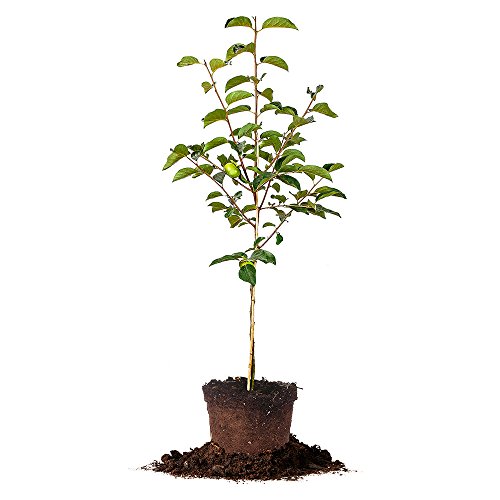
ESTABLISHED QUART POT: You receive a American Persimmon tree settled in its own quart-sized container, standing 6-12 inches tall. This manageable size is easy for you to handle and is intended to provide a strong beginning for the tree with a more developed root system compared to smaller seedlings or bare-root sticks.

Enhanced Growth Benefits: Supports optimal plant health with superior aeration, effective drainage, excellent nutrient retention, and a balanced pH – everything citrus plants need to thrive.
Tree Variety
Different persimmon varieties produce fruit at varying rates. American persimmons (Diospyros virginiana) generally yield fruit later than their Japanese (Diospyros kaki) and Chinese (Diospyros lotus) counterparts. For instance, Japanese persimmons often start bearing fruit within 3 to 5 years of planting, while American types may take 5 to 10 years. Choosing the right variety for your region can enhance fruiting potential.
Growing Conditions
Growing conditions significantly impact a persimmon tree’s ability to bear fruit. Factors like sunlight, moisture, and temperature play crucial roles. Ideally, persimmon trees thrive in full sun, requiring at least 6 hours of direct sunlight daily. Additionally, well-drained soil is essential to prevent root rot. Consistent watering helps trees establish well but avoid overwatering, as soggy conditions hinder fruit development.
Age of the Tree
The age of your persimmon tree greatly affects when it begins to bear fruit. Most persimmon trees reach maturity between 3 and 8 years. During the first few years, focus on nurturing the tree through proper watering and fertilization. Patience is crucial, as younger trees usually provide a smaller harvest compared to older, more established trees. An age-appropriate care regimen helps ensure your tree is healthy enough to produce fruit in due time.
Timeframe for Fruit Production
Growing a persimmon tree involves patience, especially regarding fruit production. Understanding the timeframe helps set realistic expectations for your yield.
Recommended Products

GET FRUIT IN THE FIRST YEAR — Mature Trees Flower & Produce After 1-3 Years
The Fuyu Persimmon is a non-astringent, sweet, delicious treat

Growing Diospyros Kaki Seeds: The seeds need a period of cold, moist stratification to break dormancy and encourage germination, mimicking winter conditions. Germination can take 14-28 days after planting. The seeds thrive in a moist, well-drained, fertile loam soil with a PH between 6.0 and 7.5. It prefers deep, slightly acidic loams and tolerates sandy or heavy clay soils with good drainage. Avoid waterlogged or poorly drained sites. Requires full sun exposure of at least 6 to 8 hours daily.
General Expected Timeframe
Most persimmon trees begin to bear fruit between 3 to 10 years after planting, depending on various factors. Japanese persimmons typically produce fruit within 3 to 5 years, while American varieties may take 5 to 10 years. Ensure you provide optimal conditions to encourage quicker fruiting. Young trees often yield smaller amounts, so nurturing them in their early years is essential.
Differences Between Varieties
Different persimmon varieties exhibit distinct growth rates and fruiting timelines:
- Japanese Persimmons: Generally bear fruit within 3 to 5 years. Popular varieties include Fuyu and Jiro, known for their sweet, non-astringent traits.
- American Persimmons: Usually take 5 to 10 years before producing fruit, likely need cross-pollination for better yields. Varieties like Early Golden and Yates are common.
- Chinese Persimmons: These can also range from 5 to 10 years, depending on care and conditions. Most thrive in warmer climates.
Understanding these differences helps you choose the right persimmon tree for your gardening goals.
Care and Maintenance for Fruit Production
Proper care and maintenance of a persimmon tree play crucial roles in ensuring fruitful harvests. Focus on soil quality, watering, and fertilization to promote healthy growth and fruit production.
Recommended Products

Let our professionally formulated plant food help your fruit tree grow healthy, strong AND abundantly producing

Down to Earth Fruit Tree is a five pound box of all natural fertilizer with 6-2-4 formula and is listed by the Organic Materials Review Institute (OMRI) for use in organic production

FORMULATED FOR CITRUS AND FRUIT TREES: Use these citrus fertilizer spikes on apple, orange, lemon, lime, and avocado trees; this formula is also great for feeding palm trees
Soil Requirements
Select well-drained soil with a texture ranging from sandy loam to clay loam for optimal growth. Aim for a soil pH between 6.0 and 7.5, which supports nutrient availability. Incorporate organic matter, such as compost, to improve soil fertility and structure. Testing soil before planting helps you understand nutrient levels and necessary amendments. For example, adding lime can increase pH, while sulfur can lower it if needed. Regularly check the soil moisture, as persimmon trees thrive in moderately moist soil.
Watering and Fertilization
Water your persimmon tree regularly, especially during dry spells, to maintain even moisture. Mature trees typically require around 1 inch of water per week. Adjust this amount based on rainfall and soil conditions. Avoid waterlogging, as it can lead to root rot.
Fertilization is essential during the growing season. Use a balanced fertilizer, specifically designed for fruit trees, applying it in early spring and again in mid-summer. Follow package instructions for dosage based on your tree’s age and size. For example, younger trees may need 1 to 2 cups of fertilizer, while mature trees might require 3 to 4 cups. Monitor your tree’s growth and adjust the fertilization regimen as needed, responding to any signs of nutrient deficiency, such as yellowing leaves.
By focusing on soil quality and proper watering and fertilization, you set the stage for a healthy persimmon tree that produces an abundance of fruit.
Conclusion
Growing a persimmon tree is a rewarding journey that requires patience and care. As you nurture your tree through its various stages, keep in mind that the timeline for fruiting can vary based on the type of persimmon and the conditions you provide.
With the right attention to soil quality, watering, and sunlight, you’ll create an environment where your tree can thrive. Remember that each tree has its own pace, so enjoy the process and celebrate the small milestones along the way. Before you know it, you’ll be savoring the sweet rewards of your hard work. Happy gardening!
Frequently Asked Questions
How long does it take for a persimmon tree to bear fruit?
Persimmon trees typically take 3 to 10 years to bear fruit, depending on the variety. Japanese persimmons usually produce within 3 to 5 years, while American and Chinese varieties may take 5 to 10 years. Factors like tree age, climate, and care also influence this timeline.
What are the different types of persimmons?
There are three main types of persimmons: American, Japanese, and Chinese. American persimmons often require cross-pollination and take longer to fruit. Japanese varieties, like Fuyu and Jiro, are sweet and non-astringent, bearing fruit earlier. Chinese persimmons thrive in warmer climates, with varied fruit-bearing timelines.
What factors affect persimmon fruit production?
Key factors influencing fruit production include the persimmon variety, the age of the tree, climate conditions, soil quality, and pollination. Optimal sunlight, well-drained soil, and proper watering are crucial for promoting healthy growth and maximizing yields.
How can I take care of my persimmon tree?
To care for your persimmon tree, ensure it has well-drained soil with a pH between 6.0 and 7.5. Regularly water the tree, especially during dry spells, and use a balanced fertilizer during the growing season. Pruning and incorporating organic matter can also enhance growth and fruit production.
What is the ideal soil for persimmon trees?
Persimmon trees thrive in well-drained soil with a pH between 6.0 and 7.5. Adding organic matter can improve soil fertility. Regular soil testing helps understand nutrient levels, enabling better care for the tree’s growth and fruiting potential.
