

Have you ever spotted a tree with small yellow fruit and wondered what it is? You’re not alone. Many people come across these vibrant little fruits and find themselves curious about their origin and uses.
Identifying the right tree can be tricky, especially with so many species out there. This article will help you uncover the secrets behind these yellow gems. You’ll learn about the trees that bear them, their characteristics, and even how you can enjoy their fruits. Whether you’re a gardening enthusiast or just someone who loves nature, you’ll find valuable insights here that will satisfy your curiosity.
Key Takeaways
- Types of Trees: Small yellow fruits can be found on trees like Meyer lemons, golden raspberries, yellow cherries, crabapples, and serviceberries, each offering unique flavors and characteristics.
- Soil Requirements: Well-draining soil with a pH between 6.0 and 7.0 is essential for healthy tree growth, along with the incorporation of organic matter and regular mulching.
- Sunlight Needs: Most small yellow fruit trees thrive in full sun, requiring at least 6 to 8 hours of direct sunlight daily for optimal production.
- Watering and Pruning: Consistent moisture is crucial during the fruiting season while regular pruning promotes healthy growth and maximizes fruit yield.
- Climate Considerations: Understanding climate preferences, such as temperature and frost sensitivity, helps ensure successful cultivation of small yellow fruit trees.
- Identification Features: Observing specific leaf shapes, bark textures, and branching structures aids in accurately identifying small yellow fruit trees.
Overview of Small Yellow Fruit Trees
Small yellow fruit trees enhance gardens and landscapes, offering both beauty and edible produce. Here are key types you might consider:
Lemon Trees
Lemon trees bear vibrant yellow fruits known for their sour taste. Common varieties include Eureka and Lisbon. These trees thrive in well-drained soil and require full sun for optimal growth.
Golden Raspberries
Golden raspberries produce small, sweet yellow fruits in summer months. They’re ideal for gardens due to their compact size. Use rich, well-draining soil and ensure they receive at least six hours of sunlight daily.
Yellow Cherries
Yellow cherries, such as Rainier cherries, provide sweet and juicy fruits. These trees prefer full sun and require regular watering. They can grow in various soil types but thrive in loamy ground.
Crabapple Trees
Crabapple trees, like ‘Honeygold’, produce small yellow apples. Their fruits attract wildlife and can be used for making jelly or cider. Plant them in well-drained soil and enjoy them full-sun exposure.
Serviceberry Trees
Serviceberry trees yield small, sweet fruits resembling blueberries. These berries mature in late spring and are edible raw. They prefer moist, well-drained soil and perform best in partial to full sun.
- Soil Preparation: Test soil pH and ensure it’s between 6.0 and 7.0 for most fruit trees.
- Space Requirements: Allow sufficient space for tree canopy and root growth. Standard trees require 15 to 25 feet; dwarf varieties need less.
- Pruning: Regular pruning encourages healthy growth and maximizes fruit production. Aim for late winter or early spring.
- Watering: Maintain consistent moisture, especially during fruiting season. Avoid waterlogging to prevent root rot.
Each of these trees brings unique flavors and beauty to your space. Choose based on your climate, space availability, and preferences.
Common Trees with Small Yellow Fruits
Several trees produce small yellow fruits, making them attractive additions to your garden. Here are a few notable examples:
Recommended Products
Powerful Insect Control: Captures fruit flies, gnats, whiteflies, aphids, midges, and other small flying pests using bright yellow color and extra-sticky glue

20pcs of yellow sticky traps specially designed to catch flying plant insects effectively. Ideal for outdoor plants and houseplants.

Funny shirt for any dad who enjoys doing yardwork and keeping the grass mowed. Nice gift for a father who lives gardening or growing fruits and vegetables.
Tree 1: Meyer Lemon
Meyer lemon trees thrive in warm climates and often reach heights of 4 to 8 feet. Their fruits are round, have a thin skin, and offer a sweet-tart flavor. Meyer lemons typically yield fruit in winter or early spring. For the best results, plant them in well-drained soil and ensure they get plenty of sunlight. Regular pruning encourages healthier growth and can help manage their size.
Tree 2: Golden Raintree
Golden raintree, also known as Koelreuteria paniculata, boasts clusters of fragrant yellow flowers in summer. These flowers develop into small, round, yellow fruits that resemble lanterns. The tree reaches a height of 30 to 40 feet. It prefers full sun and well-drained soil. Golden raintrees also provide lovely fall colors, making them a great ornamental choice.
Tree 3: Yellow Plum
Yellow plum trees yield sweet, juicy fruits that ripen in late summer. These trees can grow 15 to 20 feet tall and do well in a variety of soil conditions. The small yellow plums are typically round and have smooth skins. To optimize growth, ensure you plant them in full sun and consider cross-pollination to increase yield. Regular watering and consistent fertilization will also support healthy fruit production.
Identification Features of Small Yellow Fruit Trees
Identifying small yellow fruit trees involves observing key features like leaves, bark, and branching. Distinct characteristics help you recognize these trees easily.
Recommended Products

🍋 NOURISHING FORMULA: Our specially crafted formula provides the essential nutrients that Lemon Trees need to thrive, producing juicy, vibrant fruit.

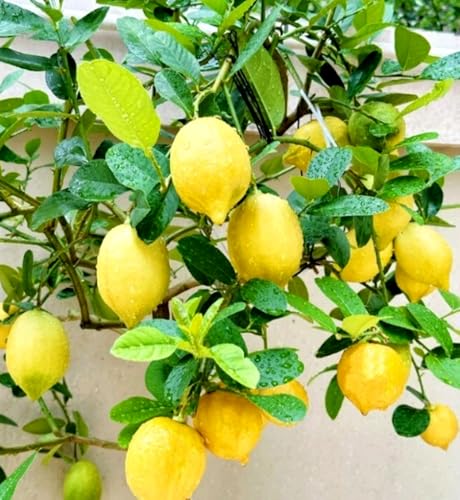
Meyer lemons are a thin-skinned hybrid fruit.
Leaf Characteristics
Look for specific leaf shapes and textures. Meyer lemon trees typically have glossy, dark green leaves, often with a slightly serrated edge. Golden raspberries offer soft, palmate leaves that may appear fuzzy. Yellow plums feature oval leaves with smooth edges, which turn a vibrant yellow in autumn. Pay attention to leaf arrangement; leaves commonly grow alternately along the branches.
Bark and Branching Structure
Examine the bark’s texture and color. Meyer lemon trees feature smooth, greenish-brown bark that becomes rougher with age. The Golden Raintree, known for its distinctive yellow flowers, has light gray bark with scaly patches. Yellow plum trees possess brownish bark with horizontal lenticels, while serviceberry trees showcase a smooth, light gray bark that may peel in strips. Observe the branching structure; some trees, like crabapples, display a dense, compact form, while others may have a more open, spreading habit.
Growing Conditions for Small Yellow Fruit Trees
Growing small yellow fruit trees requires attention to specific conditions. Understanding the soil requirements and climate preferences helps ensure successful cultivation.
Recommended Products

Kindly NOTE: This soil tester can not be applied to test pH value of any other liquid. If the soil is too dry the indicator will not move, and water it before testing.

Accurate Soil pH Testing: Dewildetradingco Soil pH Test Strips offer measurements of soil pH levels (pH 3.5-9). As an essential tool for every gardener and grower, these test strips help determine the optimal pH for various plants, such as outdoor plants, indoor plants, gardens, grass lawns, fruit trees, flowers, vegetables, and forest shrubs.

Made for Lemon & Citrus Trees – Formulated to support healthy growth in lemon and citrus plants.
Soil Requirements
Soil plays a crucial role in the growth of small yellow fruit trees.
- Drainage: Well-draining soil prevents root rot. Avoid heavy clay soils; opt for sandy loam instead.
- pH Level: Aim for a soil pH between 6.0 and 7.0. This range promotes nutrient absorption.
- Organic Matter: Incorporate compost or well-rotted manure. This enriches soil quality and enhances moisture retention.
- Mulching: Regularly apply mulch around the base. Mulch keeps the soil moist and suppresses weeds.
Climate Preferences
Climate significantly affects the health and productivity of these trees.
- Sunlight: Most small yellow fruit trees need full sun, meaning at least 6 to 8 hours of direct sunlight daily.
- Temperature: Warm climates benefit trees like lemon and yellow plum. These thrive in USDA hardiness zones 9 through 11.
- Frost Sensitivity: Protect sensitive trees during late frosts. Cover or relocate them if necessary, especially in cooler regions.
- Humidity: Some trees, like Meyer lemons, prefer higher humidity. Consider misting the trees in dry conditions or placing them near a water source.
By paying close attention to these growing conditions, you can cultivate a healthy, fruitful garden.
Conclusion
Exploring the world of trees with small yellow fruits opens up a delightful journey for you as a gardener or nature lover. With the right knowledge and care you can enjoy the unique flavors and beauty these trees bring to your garden.
Whether you choose a Meyer lemon for its sweet-tart fruit or a Golden Raintree for its stunning blooms you’ll find joy in nurturing these plants. Remember to consider your local climate and growing conditions to ensure a thriving garden.
So go ahead and embrace the charm of small yellow fruit trees. You might just discover a new favorite addition to your outdoor space. Happy gardening!
Frequently Asked Questions
What types of trees produce small yellow fruits?
Several trees are known for producing small yellow fruits, including lemon trees, golden raspberries, yellow cherries, crabapple trees, and serviceberry trees. Each of these trees brings unique flavors and can enhance your garden’s aesthetic appeal.
How do I identify small yellow fruit trees?
To identify small yellow fruit trees, examine their leaves, bark, and branching structure. For example, Meyer lemons have glossy dark green leaves and smooth, greenish-brown bark, while golden raspberries display soft, palmate leaves.
What are the ideal growing conditions for these trees?
Small yellow fruit trees generally require well-draining soil, full sun exposure, and appropriate temperatures. Additionally, consider their pH levels and humidity preferences, as these factors are crucial for healthy growth and fruit production.
How should I care for small yellow fruit trees?
Caring for small yellow fruit trees involves proper soil preparation, adequate spacing, regular pruning, and consistent watering. Make sure to monitor their specific needs based on the tree type and local climate conditions.
Can I grow these trees in different climates?
Yes, some small yellow fruit trees can adapt to various climates. However, it’s essential to choose tree varieties suited to your local climate and ensure you provide the right growing conditions for optimal health and fruit production.
