

Have you ever wondered if those stunning Okame cherry trees produce fruit? You’re not alone! Many people admire their beautiful blossoms but are curious about their fruit-bearing capabilities.
While these trees are a popular choice for gardens and parks, their ability to produce cherries isn’t as straightforward as you might think. This article will clarify whether Okame cherry trees bear fruit and what you can expect if you decide to plant one. By the end, you’ll have a better understanding of these lovely trees and how they fit into your landscape.
Key Takeaways
- Okame cherry trees, scientifically known as Prunus x incam, are primarily ornamental and renowned for their vibrant pink blossoms rather than fruit production.
- These trees thrive best in full sunlight, well-drained, and slightly acidic soil, requiring regular watering during dry spells to maintain health.
- While Okame cherry trees can produce small cherries, they are not suitable for human consumption, having minimal flavor and size compared to other fruiting cherry varieties.
- The trees bloom in early spring, lasting for about two weeks, attracting pollinators and providing seasonal beauty to landscapes.
- Proper maintenance, including pruning and fertilizing, enhances the trees’ ornamental appeal without the demand for extensive care required by fruit-bearing varieties.
- For those seeking fruit production, sweet and sour cherry trees are more suitable options due to their significant yields and better fruit quality.
Overview Of Okame Cherry Trees
Okame cherry trees, scientifically known as Prunus x incam, thrive in many landscapes for their showy pink blooms. These trees reach heights of 15 to 25 feet, making them ideal for gardens and parks. They typically flower in early spring, providing stunning displays before most other trees.
Characteristics
- Flowers: Okame cherries produce vibrant pink flowers, often appearing before leaves. Blooms last for several weeks, creating a picturesque scene.
- Foliage: The leaves are dark green, turning orange-red in fall. This seasonal color change adds appeal to your landscape.
- Growth Rate: These trees grow relatively fast, achieving about 1 to 2 feet of growth annually.
Growing Conditions
- Sunlight: Okame cherry trees prefer full sun. Aim for at least six hours of direct sunlight daily.
- Soil: Well-drained, fertile soil enhances growth. They adapt well to a range of soil types but perform best in slightly acidic conditions.
- Watering: Regular watering during dry spells prevents stress. Avoid overwatering to prevent root rot.
Maintenance
- Pruning: Prune after flowering to shape the tree and remove dead branches. Proper pruning encourages healthy growth.
- Fertilizing: Apply a balanced fertilizer in spring to promote growth and flowering. Follow package instructions for application rates.
Landscape Use
Okame cherry trees serve well as focal points or in borders. Their vibrant blooms attract pollinators, enhancing garden biodiversity. Consider spacing them 15 to 20 feet apart to allow for mature tree sizes.
Fruit Production
Okame cherry trees have minimal fruit production. While they can produce small cherries, they lack the quality and flavor of ornamental varieties. Most often, ornamental cherry trees focus on flowers rather than fruit yield.
Planting an Okame cherry tree offers beautiful blossoms and attractive greenery. However, expect little to no fruit from these trees, making them better suited for ornamental purposes than for fruit harvesting.
Characteristics Of Okame Cherry Trees
Okame cherry trees are prized for their stunning ornamental qualities and unique features. Here’s an overview of their appearance, growth patterns, and blooming period.
Recommended Products
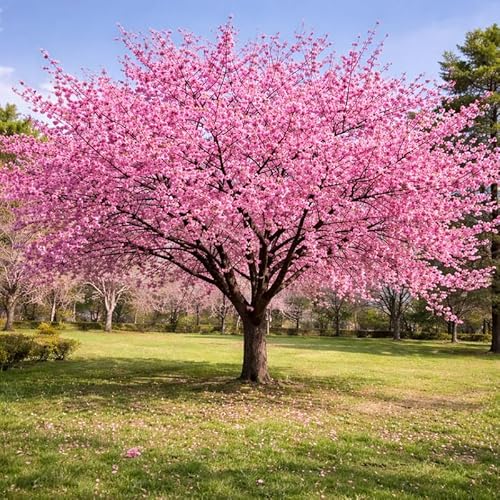
WHAT YOU WILL RECEIVE: 1 Cherry blossom tree live plant approximately 6 - 10 inches tall, prepared for transplanting into garden soil or outdoor containers

WHAT YOU WILL RECEIVE: 2 Cherry blossom tree live plant approximately 6 - 10 inches tall, prepared for transplanting into garden soil or outdoor containers

WHAT YOU WILL RECEIVE: 2 Cherry Blossom Tree live plant, arrived as a young starter tree 6-12" tall, suitable for transplanting into garden beds or outdoor containers.
Appearance And Growth
Okame cherry trees reach heights of 15 to 25 feet. The branches spread wide, creating an inviting canopy. Their bark displays a smooth reddish-brown texture, adding visual interest throughout the year. The leaves are oval-shaped, dark green in summer, and transition to a vibrant orange-red by fall. These trees grow relatively fast, adding 1 to 2 feet annually. Their compact size makes them ideal for various landscapes, including small gardens.
Blooming Period
The blooming period of Okame cherry trees occurs in early spring, typically around March. During this time, fluorescent pink flowers emerge, often before the leaves fully expand. Each flower boasts five petals, creating a breathtaking display. The blooms last for about two weeks, attracting pollinators like bees and butterflies. Their early blooming enhances seasonal beauty and adds charm to any landscape.
Fruit Bearing In Okame Cherry Trees
Okame cherry trees can bear fruit, but the cherries produced are typically small and lack the taste and quality of other fruiting varieties. These trees primarily serve ornamental purposes, showcasing their beautiful blossoms rather than edible fruit.
Recommended Products
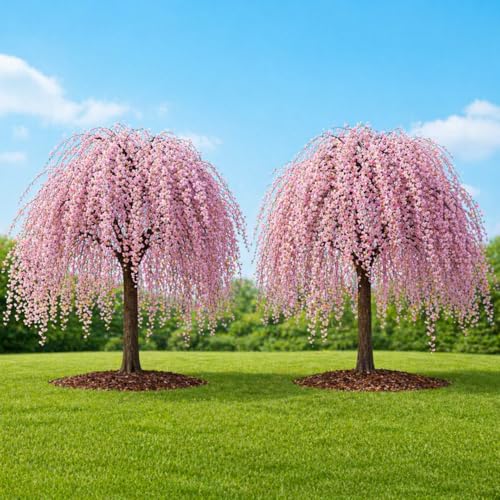
WHAT YOU WILL RECEIVE: 2 Cherry blossom tree live plant approximately 6 - 12 inches tall, prepared for transplanting into garden soil or outdoor containers

[Lush Double Blooms in Mixed Shades] Produces clusters of fully double flowers with 10-30 petals per bloom. Flowers appear in a range of shades from soft pink to rich rose. Each branch becomes covered in cascading floral clusters.
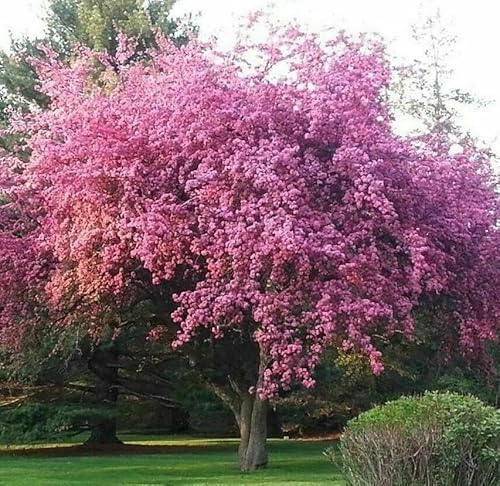
For sale is one kwanzan cherry tree that is approximately 8-14" tall and shipped in a 2.5" pot
Do Okame Cherry Trees Bear Fruit?
Yes, Okame cherry trees can produce fruit. However, this fruit is not significant in size or flavor. The small cherries that develop after blooming may appeal to some wildlife but are not suited for human consumption. These trees thrive due to their vibrant flowers, making them popular in gardens and landscaping over their fruit-bearing potential.
Conditions For Fruit Production
Specific conditions foster fruit production in Okame cherry trees:
- Pollination: Good pollinator activity increases the chances of fruit set. Bees and butterflies often frequent the trees during the blooming period in early spring.
- Sunlight: Full sun exposure enhances overall growth and flowering. Aim for at least 6 to 8 hours of sunlight daily.
- Soil Quality: Well-drained, fertile soil supports healthy growth. Incorporate organic matter to maintain soil quality.
- Watering: Regular watering, especially during dry spells, ensures the tree remains healthy enough to produce fruit.
If these conditions are met, you may notice small cherries developing in late spring to early summer, although their yield remains modest.
Comparison With Other Cherry Trees
Okame cherry trees, known for their ornamental beauty, differ significantly from other cherry tree species when it comes to fruit production.
Recommended Products
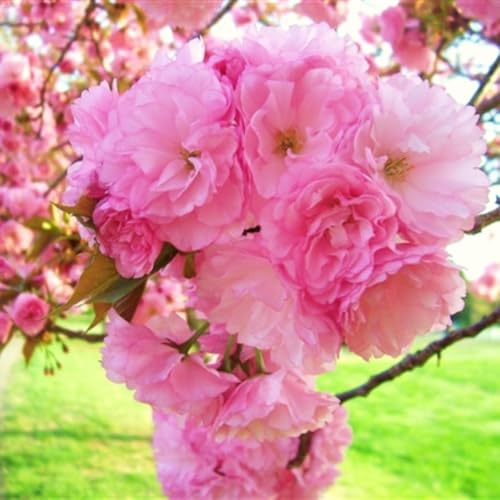
Pink to white blooms: Produces abundant flowers

Kwanzan Cherry Trees produce stunning, full double pink blossoms that create a breathtaking spring display.

🌸 Grow Stunning Cherry Blossom Trees Enjoy breathtaking pink blossoms and create a beautiful spring landscape with vibrant ornamental cherry blossom trees.
Fruit-Bearing Varieties
Sweet Cherry Trees (Prunus avium)
Sweet cherry trees produce large, delicious fruits suitable for eating. These cherries usually ripen in late spring to early summer. Ideal conditions include full sun and well-drained soil, similar to Okame cherry trees.
Sour Cherry Trees (Prunus cerasus)
Sour cherry trees yield smaller, tart cherries often used in baking and preserves. They thrive in similar environments as Okame, requiring good sunlight and moisture for optimal fruiting.
Blooming Characteristics
Okame Cherry Trees
Okame cherry trees bloom first among cherry varieties, offering vibrant pink flowers in early spring. The bloom lasts about two weeks and serves primarily decorative purposes.
Other Cherry Varieties
Most cherry trees bloom a bit later. For example, sweet cherries and sour cherries often flower in mid-spring. Their blossoms may also vary in color, ranging from white to pale pink.
Growth Rate and Size
Okame Cherry Trees
Okame cherry trees grow quickly, achieving heights of 15 to 25 feet in a few years. This rapid growth enhances their landscaping appeal.
Other Cherry Trees
Sweet and sour cherries grow at a moderate pace. They can reach similar heights, but it usually takes additional years for them to mature.
Maintenance Needs
Okame Cherry Trees
While these trees require basic maintenance, like occasional pruning and fertilization, their ornamental use simplifies care compared to fruit-bearing varieties which require more attention to support fruit production.
Other Cherry Varieties
Fruit-bearing trees demand extra care for pruning, pest management, and soil maintenance to ensure healthy fruit yield.
| Feature | Okame Cherry Trees | Sweet Cherry Trees | Sour Cherry Trees |
|---|---|---|---|
| Fruit Production | Minimal, small and inedible cherries | Large, sweet cherries | Small, tart cherries |
| Bloom Time | Early spring (March) | Mid-spring (April-May) | Mid-spring (April-May) |
| Growth Rate | Fast (1-2 feet annually) | Moderate | Moderate |
| Maintenance | Low | Moderate to high | Moderate to high |
Understanding these differences clarifies the practical implications for gardening or landscaping. If your goal includes fruit production, consider sweet or sour cherry trees for better yields.
Conclusion
Okame cherry trees bring a burst of beauty to any landscape with their stunning pink blossoms and vibrant foliage. While they can produce small cherries, these aren’t the kind you’d want to munch on. Instead, think of them as a treat for wildlife and a lovely addition to your garden.
If you’re looking for a tree that offers ornamental charm and relatively low maintenance, Okame cherry trees are a fantastic choice. With the right conditions and care, you’ll enjoy their breathtaking blooms and the lively atmosphere they create. So go ahead and plant one to enhance your outdoor space; you won’t regret it!
Frequently Asked Questions
Do Okame cherry trees produce edible fruit?
Yes, Okame cherry trees can produce small cherries, but they are not suitable for human consumption. The fruit is more appealing to wildlife.
How tall do Okame cherry trees grow?
Okame cherry trees typically grow between 15 to 25 feet tall, making them ideal for various landscape designs.
When do Okame cherry trees bloom?
Okame cherry trees bloom in early spring, around March, showcasing vibrant pink flowers for about two weeks.
What are the ideal growing conditions for Okame cherry trees?
These trees thrive in full sun, well-drained fertile soil, and require regular watering for optimal growth.
How fast do Okame cherry trees grow?
Okame cherry trees have a relatively fast growth rate of 1 to 2 feet annually under suitable conditions.
What maintenance do Okame cherry trees need?
Routine maintenance includes pruning to shape the tree and occasional fertilizing to ensure healthy growth and blooming.
Are Okame cherry trees good for landscaping?
Yes, they are excellent for landscaping due to their stunning pink blossoms and beautiful foliage, enhancing garden biodiversity.
How do Okame cherry trees compare to other cherry varieties?
Unlike sweet and sour cherry trees, Okame trees are primarily ornamental, producing smaller, inedible fruit and requiring less maintenance.
