

Have you ever noticed pesky fruit flies buzzing around your citrus trees? You’re not alone. These tiny invaders can quickly turn your fruitful garden into a frustrating battleground. If you love your citrus trees and want to protect them from these annoying pests, you’re in the right place.
Key Takeaways
- Understand Fruit Flies: Recognize fruit flies by their small size and distinct features; they pose a significant threat to citrus trees, especially when infesting ripe or decaying fruit.
- Effective Prevention: Maintain tree health through regular pruning, proper watering, and ensuring good sanitation by removing fallen fruits and debris promptly.
- Utilize Natural Remedies: Use homemade traps, such as vinegar traps, and essential oils like lavender and eucalyptus to deter fruit flies without harmful chemicals.
- Chemical Solutions: When necessary, employ insecticidal sprays containing spinosad or pyrethrin that target fruit flies while being safe for the citrus trees.
- Regular Monitoring: Conduct weekly inspections of your citrus trees to detect early signs of infestation and promptly remove affected fruits to control population growth.
- Long-Term Strategies: Implement sustainable practices like companion planting and consistent trapping to minimize future infestations and maintain a healthy citrus garden.
Understanding Fruit Flies
Fruit flies pose a significant threat to citrus trees. Recognizing and understanding these pests aids in effective management and elimination.
Identification of Fruit Flies
You can identify fruit flies by their small size, typically measuring 1/8 inch. They have a tan or yellowish body, with distinct red eyes. Look for them flying near ripe or decaying fruits, especially oranges and lemons. Their wings appear slightly translucent. If you notice clusters around your citrus trees or near fallen fruit, fruit fly presence is confirmed.
Life Cycle of Fruit Flies
Fruit flies undergo a quick life cycle, taking about 8 to 10 days to develop from egg to adult under optimal conditions. They lay tiny eggs, often around 500, in moist areas near decomposing organic material. After a few days, larvae emerge and begin feeding. They eventually pupate and transform into adults within a week. This rapid reproduction leads to infestations if not managed promptly. Understanding this cycle helps you take action before their numbers escalate.
Effective Prevention Methods
Preventing fruit flies on citrus trees involves specific actions that maintain tree health and deter pests. Implement these effective strategies to protect your citrus plants.
Recommended Products

Highly Effective & Reliable Fruit Fly Catcher: This fruit fly trap is expertly engineered to stop fruit flies where they hover most—kitchen counters, trash bins, and near fruit. See results in just 24 hours!

COMPREHENSIVE COVERAGE: 4-pack of TERRO fruit fly traps for indoors with 180 days of lure supply provides comprehensive pest control coverage for your home's fruit fly infestations

4 PACK OF REFILLS: Use this 4-pack of liquid lure refills designed specifically for TERRO fruit fly traps, as the bait formula helps to provide continuous protection against fruit flies and gnats in your home for up to 180 days (45 days per refill)
Proper Tree Maintenance
Maintain your citrus trees by regularly checking their health. Prune branches to improve air circulation and reduce humidity, which creates an unfavorable environment for fruit flies. Water your trees adequately but avoid overwatering, as excess moisture attracts pests. Fertilize trees with balanced nutrients to promote healthy growth, making them less susceptible to infestations.
Sanitation Practices
Practice good sanitation around your citrus trees. Remove fallen or decaying fruits promptly, as these serve as breeding grounds for fruit flies. Clean fallen leaves and debris regularly to minimize hiding spots. Dispose of waste properly—composting is not ideal in this case, as it may harbor pests. Use traps, such as vinegar or apple cider traps, to catch any adult fruit flies present before they can breed.
Natural Remedies
Natural remedies can effectively reduce fruit fly populations on citrus trees. These strategies focus on using common household items to control infestations without harmful chemicals.
Recommended Products

Ceramic Design: crafted with quality ceramic and finished with a unique kiln-fired glaze, each fruit fly trap features a smooth, artisanal texture that blends beautifully with modern or minimalist kitchen decor; Functional pest control that doubles as a decorative home accent

Over 100 Side-by-Side Tests: Dr. Killigan’s Sweet Surrender uses a special formulation that has been proven to be more effective than Apple Cider Vinegar to attract fruit flies.
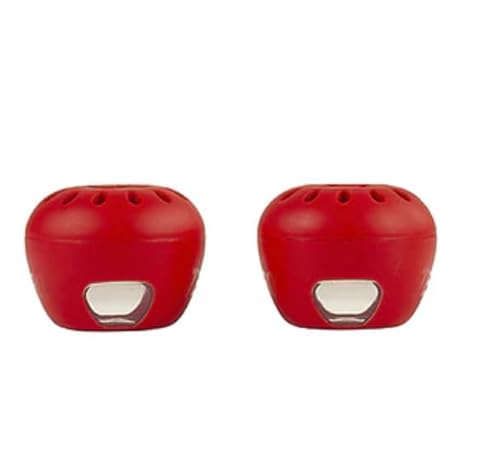
Effective Elimination: Safely and quickly eliminates fruit flies by trapping them inside with no chance of escape
Traps and Lures
Using traps is an efficient way to catch fruit flies. Set up vinegar traps by filling a small bowl with apple cider vinegar and adding a few drops of dish soap. The vinegar attracts the flies, while the soap breaks the surface tension, preventing them from escaping. Place these bowls near the affected trees. You can also create fruit traps by placing overripe fruit in a jar. Cover the jar with plastic wrap, poke small holes in it, and leave it near the trees. The flies enter but can’t escape.
Essential Oils
Essential oils serve as a natural deterrent against fruit flies. Oils like eucalyptus, lavender, and peppermint can repel these pests. Mix a few drops of essential oil with water in a spray bottle, and apply it to the foliage of your citrus trees. Reapply every few days or after rain. Additionally, diffusing these oils around your garden can create an unpleasant environment for fruit flies, keeping them at bay.
Chemical Solutions
Chemical solutions can effectively manage fruit fly infestations on citrus trees when other methods prove ineffective. Using the right insecticides can reduce fruit fly populations quickly and safely.
Recommended Products

Kills Fruit Flies, Gnats, Flies & Mosquitoes - Zevo Flying Insect Killer Spray is made to kill common flying insects on contact, including fruit flies, gnats, house flies, and mosquitoes, making it an easy bug spray for use around your home.

Kills Fruit Flies, Gnats, Flies & Mosquitoes - Zevo Flying Insect Killer Spray is made to kill common flying insects on contact, including fruit flies, gnats, house flies, and mosquitoes, making it an easy bug spray for use around your home.

CONTROLS A VARIETY OF INSECTS - Designed to control Leafminers Leafminers, Borers, Leaf Roller, Thrips, Worms (Caterpillars), Colorado Potato Beetles, Armyworms, Sod Webworms, Cat Fleas, Loopers, Bagworms, Tent Caterpillars and other listed insects.
Insecticidal Sprays
Insecticidal sprays specifically target fruit flies without harming your citrus trees. Look for products containing spinosad or pyrethrin, as these are less toxic to beneficial insects. Always read the label carefully to ensure it’s safe for use on fruit trees and follow all instructions for maximum effectiveness. Apply the spray in the early morning or late evening when beneficial insects are less active.
Application Techniques
Use proper application techniques to maximize the benefits of insecticidal sprays:
- Targeted Application: Focus on the underside of leaves and around developing fruits. This area often harbors adult fruit flies.
- Thorough Coverage: Ensure even coverage on all plant surfaces to catch any pests hiding.
- Frequency of Application: Reapply every 7 to 14 days, especially after rainfall, to maintain effectiveness.
- Protect Pollinators: Avoid spraying when bees and other pollinators are active. Use barriers or other protective measures if necessary.
Implement these techniques to keep your citrus trees healthy while reducing fruit fly damage.
Monitoring and Maintenance
Monitoring and maintenance are essential to keep fruit fly populations in check on citrus trees. By following these steps, you can effectively manage infestations and maintain the health of your trees.
Regular Inspections
Inspect your citrus trees weekly for signs of fruit flies. Look for adult flies buzzing around ripe or rotting fruit. Check the undersides of leaves for larvae or eggs. Noticing these early warning signs helps you respond quickly. Remove any infested or overripe fruit immediately to cut off breeding sites. Use a magnifying glass if needed to confirm the presence of pests. Regular checks allow you to track population changes and adjust management strategies accordingly.
Long-Term Control Strategies
Implement long-term control strategies to minimize future infestations. Maintain healthy trees through proper watering and fertilization, which strengthens plant resistance. Create air circulation by pruning dense branches to avoid excess humidity that attracts fruit flies. Use insect traps consistently, such as sticky traps and vinegar traps, positioned around the trees. Set traps early in the season before fruit maturation. Monitor trap catches and replace them every couple of weeks. Additionally, planting companion plants like basil and marigold can deter fruit flies naturally. These proactive measures contribute to sustainable pest management and a healthier citrus garden.
Conclusion
Keeping fruit flies away from your citrus trees doesn’t have to be a daunting task. By staying proactive and using a mix of natural remedies and careful maintenance you can create a healthier environment for your trees.
Regular inspections and good sanitation practices will go a long way in preventing infestations. Don’t forget to utilize traps and essential oils to deter these pesky pests.
With a little effort and attention you can enjoy a thriving citrus garden free from fruit fly troubles. Happy gardening!
Frequently Asked Questions
What are fruit flies and how can I identify them?
Fruit flies are small pests, usually about 1/8 inch long, with brownish-yellow bodies and red eyes. You can identify them by noticing their presence near ripe or decaying fruits. Their quick movements and tendency to swarm around food sources are typical behaviors.
Why do fruit flies infest citrus trees?
Fruit flies are attracted to citrus trees primarily due to the availability of ripe or decaying fruits. The sweet scent becomes a lure for them to lay eggs, leading to infestations which can damage the fruit and overall tree health.
How can I prevent fruit flies on my citrus trees?
To prevent fruit flies, maintain tree health by conducting regular inspections, pruning for air circulation, and ensuring proper watering. Remove fallen fruits and debris promptly, and consider using traps like vinegar or apple cider traps to catch adult flies.
What natural remedies can help control fruit flies?
Natural remedies include homemade traps using apple cider vinegar with dish soap and overripe fruits covered with plastic wrap. Essential oils like eucalyptus and peppermint can also repel fruit flies when sprayed on foliage.
Are there chemical options for managing fruit flies?
Yes, consider using insecticidal sprays that target fruit flies specifically. Look for products containing spinosad or pyrethrin, which are safer for beneficial insects. Apply them directly to infested areas, avoiding pollinator activity times.
How can I monitor fruit flies on my citrus trees?
Regular inspections of your citrus trees for adult flies and larvae are crucial. Remove infested or overripe fruits immediately to eliminate breeding sites. Consistently check and set traps to keep fruit fly populations under control.
What long-term strategies help maintain fruit trees against fruit flies?
Long-term strategies include maintaining healthy trees through proper watering and fertilization, regular pruning for better air circulation, and using insect traps consistently. Additionally, planting companion plants like basil and marigold can deter fruit flies naturally.
