

Are your fruit trees struggling with pests or diseases? You’re not alone. Many gardeners face the challenge of keeping their trees healthy and thriving. Neem oil is a popular natural solution, but knowing when to apply it can make all the difference.
Key Takeaways
- Timing is Crucial: Spray neem oil early in the morning or late in the afternoon to minimize leaf burn and maximize absorption.
- Early Spring and Late Summer Applications: Target pests like aphids and spider mites in early spring, and monitor for late-season pests and diseases in late summer.
- Consider Tree Type: Different fruit trees have specific vulnerability periods, influencing when to apply neem oil for optimal protection.
- Assess Pests and Diseases: Regularly inspect your trees for emerging threats, allowing timely applications of neem oil to combat pests and fungal outbreaks.
- Proper Dilution and Application Techniques: Use a dilution of 1-2 tablespoons of neem oil per gallon of water, applying a fine mist for even coverage across all leaf surfaces.
- Reapply as Needed: Consistent reapplication every 7 to 14 days, especially after rainfall, is essential for maintaining the health and vigor of your fruit trees.
Importance Of Neem Oil For Fruit Trees
Neem oil serves as a crucial ally in maintaining the health of your fruit trees. It acts as a natural insecticide, deterring pests like aphids and spider mites without harming beneficial insects. This balance helps create a thriving ecosystem in your garden.
Neem oil also combats fungal diseases, such as powdery mildew and leaf spot. Regular applications can enhance your trees’ resilience against these threats. Healthy trees yield better fruit, so addressing these issues promptly is essential.
Using neem oil promotes overall tree vigor. It contains azadirachtin, a compound that disrupts the life cycles of harmful insects. Concentrating on timing and technique maximizes its effectiveness.
For best results, spray neem oil early in the morning or late in the afternoon. This practice prevents leaf burn and allows the oil to penetrate thoroughly.
Additionally, remember to apply neem oil after rain and during dry spells. This ensures your treatment remains effective through varying weather conditions.
Neem oil contributes significantly to the vitality of your fruit trees, offering protection and promotion of sustainable gardening practices.
Best Times To Spray Neem Oil
Timing plays a crucial role in the effective application of neem oil on your fruit trees. Apply neem oil at strategic moments for the best results.
Recommended Products
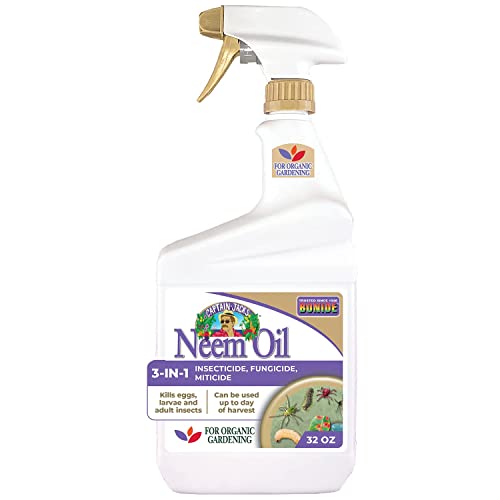
Protect your oasis with 3 garden products in 1 from Captain Jack’s; Bonide Captain Jack’s Ready-to-Use Neem Oil spray for plants is a multi-purpose fungicide, insecticide and miticide for your lawn & garden

FUNGAL DISEASE CONTROL: Prevents and controls black spot on roses, powdery mildew, rust, downy mildew, and other listed fungal diseases when applied on a 7–14 day schedule

Protect your oasis with Captain Jack’s Neem Max Ready-to-Use Spray; this multipurpose product acts as a 4-in-1 insecticide, fungicide, miticide and nematicide
Early Spring
Early spring marks the ideal time to apply neem oil as trees begin to bud. Spraying at this stage targets pests before they establish themselves. Apply neem oil when temperatures are between 65°F and 85°F to avoid leaf burn. Look for pests like aphids and spider mites that emerge during this period. Reapply every 7 to 14 days, especially after rain, to ensure continued protection.
Late Summer
Late summer is another key window for neem oil application. As fruit trees mature, they become susceptible to late-season pests and diseases. Spray neem oil in the late afternoon or early evening when temperatures cool down. This timing helps prevent leaf burn and enhances absorption. Monitor for fungal issues such as powdery mildew during this season. Reapplying every 14 days can significantly improve your tree’s health and yield heading into fall.
Factors Influencing Spraying Times
Timing your neem oil application depends on several factors that affect the health and productivity of your fruit trees. Understanding these factors enhances effectiveness and promotes tree vitality.
Recommended Products
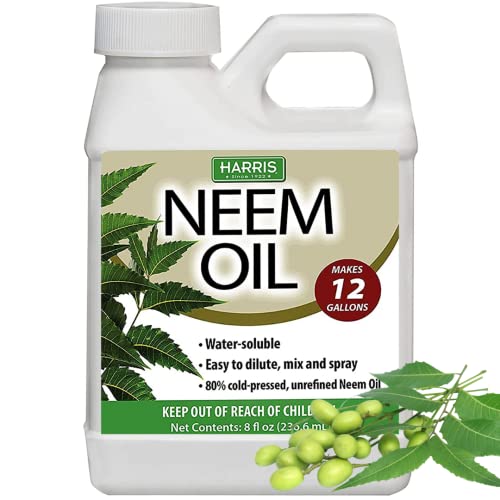
Cold-Pressed Neem Oil is a potent natural solution, ideal for maintaining healthy plants
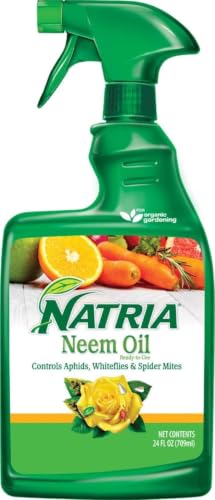
PLANT DISEASE CONTROL: Natria Neem Oil acts as an insecticide and fungicide in one convenient spray; Ready-to-use trigger sprayer requires no mixing

Protect your oasis with Captain Jack’s Neem Max Ready-to-Spray solution; this multipurpose product acts as a 4-in-1 insecticide, fungicide, miticide and nematicide
Tree Type
Different fruit trees have varied susceptibility to pests and diseases, influencing the timing for neem oil application.
- Apple Trees: Spray during bud break in early spring to target aphids and caterpillars.
- Citrus Trees: Apply in late spring when scales and thrips become active.
- Stone Fruit Trees: Treat peach and cherry trees in early summer for effective prevention against fungal diseases.
Knowing the specific needs of your tree type helps you tailor your spraying schedule for maximum protection.
Pests and Diseases
The presence of specific pests or diseases dictates when to apply neem oil.
- Aphids: Act quickly in early spring, as these pests reproduce rapidly.
- Spider Mites: Monitor for signs of infestation during warmer months, spraying when populations peak.
- Fungal Diseases: Apply neem oil at the first sign of powdery mildew or leaf spot to prevent full-blown outbreaks.
Regularly inspect your trees to identify emerging threats, ensuring you’re one step ahead in protecting your crops.
Application Techniques For Neem Oil
Applying neem oil effectively enhances its benefits for your fruit trees. Follow these techniques to ensure optimal results.
Recommended Products

PURE NEEM OIL FOR PLANTS: Neem Oil Concentrate serves as a neem oil spray for both indoor and outdoor ornamental plants. Crafted from 100% cold-pressed, top-notch organic neem oil, it provides your plants with the essential elements for a lustrous sheen

Protect your oasis with 3 garden products in 1 from Captain Jack’s; Captain Jack’s Ready-to-Use Neem Oil spray for plants is a multi-purpose fungicide, insecticide and miticide for your lawn and garden

Gentle Plant Wash Made with Neem Oil & Peppermint Oil
Dilution Ratios
Dilution ratios for neem oil are crucial for effectiveness and safety. For general pest control, mix 1 to 2 tablespoons of neem oil with 1 gallon of water. Use 1 to 2 teaspoons of mild liquid soap to help emulsify the oil. Always stir well to ensure the oil disperses fully. Adjust the concentration based on the severity of the pest problem. For heavier infestations, consider increasing the neem oil to 3 tablespoons per gallon. Always test a small area of the tree before full application to rule out any sensitivity.
Spraying Methods
Spraying methods impact how well the neem oil reaches its targets. Use a pump sprayer or a handheld spray bottle for easy application. Aim to cover all leaf surfaces, including the undersides where pests often hide. Begin spraying from the base of the tree and work your way up, ensuring even coverage. For best results, apply neem oil during calm hours—early morning or late evening to avoid wind. Maintain a distance of 12 to 18 inches from the leaves to ensure a fine mist rather than heavy droplets. Reapply every 7 to 14 days, especially after rain, to maintain effectiveness and protect your fruit trees.
Conclusion
Using neem oil can make a big difference in keeping your fruit trees healthy and thriving. By applying it at the right times and following the recommended techniques, you can effectively manage pests and diseases while protecting beneficial insects.
Remember to monitor your trees regularly and stay proactive with your applications. With a little attention and care, you’ll enjoy a bountiful harvest and vibrant fruit trees. Happy gardening and may your trees flourish!
Frequently Asked Questions
What is neem oil used for in gardening?
Neem oil is a natural remedy used to combat pests and diseases affecting fruit trees. It acts as an insecticide that deters harmful insects like aphids and spider mites while preserving beneficial ones. It also helps address fungal diseases such as powdery mildew, enhancing the trees’ overall health.
When is the best time to apply neem oil?
The best time to apply neem oil is early in the morning or late in the afternoon. This timing helps prevent leaf burn and ensures effective absorption. For optimal results, apply neem oil in early spring when trees begin to bud and during late summer when pests become active.
How often should I reapply neem oil?
Neem oil should be reapplied every 7 to 14 days for continuous protection, especially after rainfall. Regular reapplication ensures that the trees remain safeguarded against pests and diseases throughout the growing season.
What is the proper dilution ratio for neem oil?
For general pest control, mix 1 to 2 tablespoons of neem oil with 1 gallon of water. Adding a mild liquid soap will help emulsify the oil for even distribution on the trees. Proper dilution is essential for effectiveness and safety.
Can neem oil harm beneficial insects?
No, neem oil is designed to target harmful pests while being less toxic to beneficial insects. However, it’s crucial to apply it during times when beneficial insects are less active, such as early morning or late afternoon, to minimize any impact on them.
How do I apply neem oil effectively?
To apply neem oil effectively, cover all leaf surfaces, including the undersides. Use a spray bottle or garden sprayer and apply during calm weather for even coverage. Ensure trees are well moistened without over-saturating them.
Does neem oil work on all types of fruit trees?
Neem oil can be effective on various fruit trees but may require different timing and application techniques depending on the tree type and the specific pests or diseases. Monitor each type of tree for its unique vulnerabilities and apply neem oil accordingly.
Is neem oil safe for edible fruit?
Yes, neem oil is generally considered safe for use on edible fruit when used according to recommended dilution and application guidelines. It’s advisable to wash fruits before consumption to minimize any residue, ensuring safety for your family.
