

Wondering when to prune your fruit trees for the best harvest? You’re not alone. Many gardeners face this question each year, hoping to boost their tree’s health and productivity.
Pruning at the right time can make a world of difference. It encourages strong growth and helps prevent diseases. But with so many factors to consider, like tree type and local climate, it can get a bit confusing.
Key Takeaways
- Optimal Pruning Months: Prune fruit trees during dormancy in late winter (December to March) or during early spring (March to May) for the best health and productivity.
- Benefits of Pruning: Pruning enhances tree health by removing dead or diseased wood, improving airflow, and increasing fruit yield and quality.
- Choosing the Right Tools: Essential tools include sharp pruning shears, loppers, and hand saws to ensure clean cuts, which promote quicker healing.
- Pruning Techniques: Employ techniques like removing crossing branches, thinning the canopy, and making angled cuts to optimize growth and structure.
- Consider Local Climate: Adjust pruning timing based on local frost dates, temperatures, and weather conditions to protect trees from damage and disease.
Understanding Fruit Tree Pruning
Pruning fruit trees involves trimming branches to enhance their growth and productivity. Knowing when and how to prune is essential for maintaining tree health.
Recommended Products

CLEAN CUTS FOR LIVE GROWTH: Bypass blade design is ideal for pruning delicate flower stems and green growth, helping reduce crushing and plant damage while cutting stems and small branches up to 5/8” in diameter
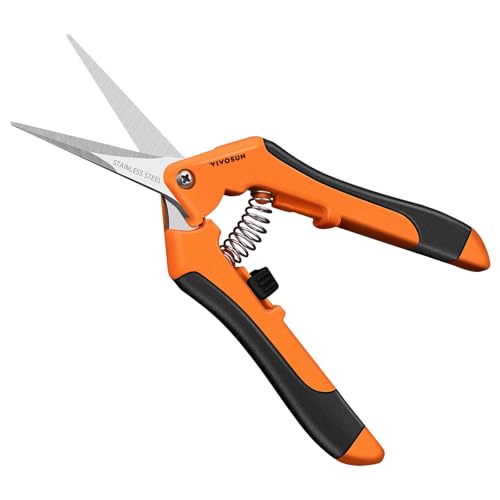
Reduce Hand Strain: These micro tip snips are made to reduces hand fatigue which makes them great for those with arthritis, carpal tunnel, hand or wrist issues; Comfortable “grip” handles will make it easy to work for long-time use without making you feel hand pain

IDEAL BRANCH TRIMMER: 28" Steel blade garden bypass lopper that glides through up to 1.5" thick branches for easy cuts; Works well for trimming tree branches to maintain your yard and garden, and to encourage overall plant health and appearance
Importance of Pruning
Pruning plays a vital role in your fruit trees’ growth. It removes dead or diseased branches, allowing the tree to focus energy on healthy growth. Proper pruning shapes the tree, improving light penetration and airflow, which are crucial for fruit production. Taking the time to prune during the right season can significantly impact yield and tree longevity.
Benefits for Tree Health
Pruning offers numerous benefits for the overall health of your trees:
- Disease Prevention: Removing infected limbs reduces the risk of disease spreading throughout the tree. Consider pruning during late winter to avoid introducing pathogens during the growing season.
- Growth Control: Pruning allows you to manage the size and shape of your trees. For instance, thinning out excessive branches promotes better structural integrity.
- Increased Yield: Trees that receive proper pruning often yield more fruit. By focusing energy on fewer, healthier branches, you enhance fruit size and quality.
Incorporating these practices can dramatically improve your fruit trees’ health and productivity, ensuring a bountiful harvest each year.
Seasonal Considerations
Timing matters when pruning fruit trees. The season impacts tree health and fruit production. Focus on two key seasons: winter and spring for the best results.
Winter Pruning
Winter pruning happens during the tree’s dormancy, typically between late December and early March. This period is ideal for several reasons:
- Reduced Stress: Pruning while trees are dormant minimizes stress on the plants.
- Clearer Structure: The absence of leaves allows you to see the tree’s structure, making it easier to identify which branches to trim.
- Disease Prevention: Cold temperatures limit the presence of pests and pathogens, reducing the risk of tree infection during winter.
Aim for pruning at temperatures above 35°F to avoid damage from extreme cold. Use clean, sharp tools for precise cuts, which breed quicker healing.
Spring Pruning
Spring pruning occurs when the trees start to bud, generally from late March to early May. This timing also offers unique benefits:
- Stimulated Growth: Pruning in spring encourages new growth, enhancing the tree’s vigor.
- Fruit Development: Removing certain branches allows better sunlight exposure for young fruit.
- Adjusted Timing: If you missed winter pruning, spring serves as a second chance for minor cuts.
Focus on removing crossing branches and any that obstruct airflow. Timing matters; wait until there’s no risk of frost to protect tender new growth.
Best Practices for Pruning
Pruning fruit trees correctly enhances their health and productivity. Following best practices ensures effective trimming and minimizes stress on the trees.
Recommended Products

✂Multifunctional -2 in 1 Garden Grafting Tools-Professional grafting set allows you to pruning and grafting at the same time, saving more time and effort than traditional grafting methods, easy to use and more efficient. It allows you to trim away excess leaves and twigs and prepare the plants to be grafted. At the same time, you can make a precise cut into the grafting stock with the special grafting blade.

PROFESSIONAL GARDENING GRAFTING TOOLS: Including 2 in 1 grafting pruning tools, 3 replaceable blades, a grafting knife, a screwdriver, a wrench, 2 grafting films, 160 rubber bands, 40 wide rubber bands, and 50 colorful tag cards

★ 1. What you get: Professional convenient grafting tool set including a dual-use grafting pruner tool contain 2 extra replaceable blades, a wrench and a screwdriver, along with 36pcs wide rubber bands, 150 thick rubber bands and 1 grafting tape, packed in a black wallet to meet all your needs
Tools You Need
Using the right tools simplifies the pruning process. Here’s what you’ll need:
- Pruning Shears: Use sharp, bypass-type pruning shears for small branches, typically up to ¾ inch thick.
- Loppers: Choose loppers for thicker branches, usually between ¾ inch and 1½ inches. They provide better leverage.
- Hand Saw: Utilize a hand saw for larger branches exceeding 1½ inches in diameter. A saw allows for cleaner cuts.
- Gardening Gloves: Wear durable gloves to protect your hands while working.
- Tar or Sealant: Apply tar or tree wound sealant for larger cuts to help protect from pests and disease.
Techniques to Use
Employing effective pruning techniques optimizes tree health and fruit production. Focus on the following strategies:
- Remove Dead or Diseased Wood: Start by eliminating any dead, broken, or diseased branches. This directs energy to healthy growth.
- Thin the Canopy: Reduce overcrowded areas by removing select branches. Thinning promotes better airflow and light penetration.
- Angle Cuts: Make cuts at a 45-degree angle, about ¼ inch above a bud. This minimizes moisture retention and promotes healing.
- Maintain Shape: Shape the tree by keeping a central leader. Balance the branches for an open structure that supports fruit growth.
- Clean Cuts: Use sharp tools for clean cuts to speed up healing. Dull tools can damage the tree and invite diseases.
By following these best practices, you support the overall health of your fruit trees. Ensure you prune at the right time for optimal results.
Factors Influencing Pruning Timing
Several factors influence the best timing for pruning fruit trees. Understanding these elements helps ensure optimal tree health and fruit production.
Type of Fruit Tree
Different fruit trees require distinct pruning times based on their growth habits. For instance:
- Apple Trees: Prune in late winter or early spring, right before new growth starts. This timing allows you to shape the tree and remove dead or diseased branches.
- Peach Trees: Prune in late winter, ideally February. This timing encourages vigorous spring growth and fruiting.
- Citrus Trees: Prune after the last frost in late spring. This timing helps avoid damage to tender new growth.
Identify your specific fruit tree type to determine the best pruning schedule for your garden.
Local Climate Conditions
Local climate significantly affects when you should prune fruit trees. Key considerations include:
- Frost Dates: Prune after the last frost date in your area to protect new growth. Check local gardening resources for frost calendars specific to your region.
- Temperature Patterns: Warmer climates may allow for early pruning. Conversely, colder regions benefit from late winter pruning when trees are dormant.
- Rainfall: Avoid pruning during wet conditions. Wet weather increases the risk of disease entering through pruning cuts. Aim for dry, sunny days for better healing.
Monitor your local weather conditions to choose the best pruning times for your trees.
Conclusion
Pruning your fruit trees at the right time can make all the difference in their health and productivity. By understanding the specific needs of your trees and keeping an eye on local climate conditions you can ensure a thriving garden. Whether you choose to prune in winter or spring each season offers unique benefits that can help maximize your harvest. Remember to use the right tools and techniques to promote healing and growth. With a little care and attention your fruit trees will reward you with delicious, bountiful fruit for years to come. Happy pruning!
Frequently Asked Questions
What is the best time to prune fruit trees?
Pruning fruit trees is ideally done in winter and spring. Winter pruning, from late December to early March, minimizes stress and helps visibility of the tree’s structure. Spring pruning, from late March to early May, stimulates new growth and enhances fruit development. It’s important to consider local climate factors when choosing the time to prune.
Why is pruning important for fruit trees?
Pruning is essential for the health and productivity of fruit trees. It removes dead or diseased branches, improves airflow and light penetration, and helps control growth. Proper pruning leads to stronger trees that yield more and higher-quality fruit while preventing potential diseases.
What tools do I need for pruning fruit trees?
Essential pruning tools include pruning shears, loppers, hand saws, and gardening gloves. Additionally, having sealants for larger cuts can help protect the tree. It’s crucial to use clean, sharp tools to ensure effective and precise cuts, promoting better healing.
How does local climate affect pruning decisions?
Local climate plays a significant role in pruning timing. Factors such as frost dates, temperature patterns, and rainfall can influence when fruit trees should be pruned. Monitoring weather conditions helps determine the best time for your specific tree types to enhance growth and prevent damage.
Can I prune fruit trees in spring if I missed winter pruning?
Yes, spring pruning can be done if winter pruning was missed. It stimulates new growth and improves fruit development. However, it’s important to prune carefully, ensuring to remove crossing branches and maintaining proper airflow while being cautious of late frosts that could damage tender new growth.
