

Have you ever wondered when those juicy oranges are ready to pick? If you’ve got an orange tree or just love the taste of fresh citrus, knowing the fruiting season can make all the difference.
Understanding when orange trees bear fruit can help you plan your gardening activities and enjoy the sweetest harvest. This article will guide you through the seasonal timeline for orange trees, so you can maximize your yield and savor the fruits of your labor. Whether you’re a seasoned gardener or just curious about citrus, you’ll find valuable insights that can brighten your day.
Key Takeaways
- Orange trees generally bear fruit from late winter to early spring, with specific timelines varying by variety and region.
- Major types of orange trees include Navel (late fall to winter), Valencia (late spring to summer), and Blood oranges (winter to early spring).
- The growth cycle consists of flowering in late winter to early spring, fruit set occurring around late spring to early summer, and maturation taking place from November to February.
- Climate significantly impacts fruiting; optimal conditions range from 60°F to 70°F, influencing the timing and yield.
- Regular care, including deep watering, annual pruning, and balanced fertilizing every six weeks, enhances tree health and fruit production.
- When harvesting, ensure oranges are fully ripe by checking color, size, and sugar content, and handle them gently to maintain quality.
Understanding Orange Trees
Orange trees play a crucial role in the citrus production cycle. Knowing their types and growth characteristics helps you anticipate fruiting times and optimize your care.
Types of Orange Trees
Several varieties of orange trees exist, each with unique traits that affect their fruiting. Common types include:
- Navel Oranges: Sweet and seedless, these oranges typically bear fruit starting from late fall through winter.
- Valencia Oranges: Known for juiciness, they usually fruit in the late spring, extending into summer.
- Blood Oranges: With a distinct color and flavor, these oranges generally ripen in winter to early spring.
Understanding these varieties helps you plan your gardening activities to ensure a successful harvest.
Growth Cycle of Orange Trees
The growth cycle of orange trees significantly influences fruiting timelines. Here’s an overview of key stages:
- Flowering: Orange trees bloom primarily in late winter to early spring. White flowers emerge, setting the stage for fruit development.
- Fruit Set: After pollination, it takes around 7 to 12 months for fruit to mature, depending on the tree type and climate.
- Harvesting: Timing for harvesting varies. Navel oranges are ready in late fall, while Valencia oranges peak in summer.
Monitoring these stages ensures you can track the progress of your orange trees and prepare for peak harvesting times. Use regular care practices, like watering and pruning, to promote a healthy growth cycle.
Factors Influencing Fruit Bearing
Several factors determine when orange trees bear fruit. Understanding these influences helps you achieve a successful harvest.
Recommended Products

Let our professionally formulated plant food help your citrus tree grow healthy, strong AND abundantly producing

Package contains 4 Pounds organic fruit and citrus fertilizer grains and is produced to avoid wasteful runoff, mess, hazards and smells
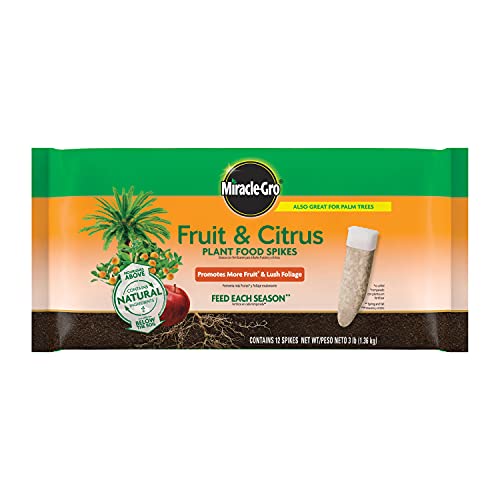
FORMULATED FOR CITRUS AND FRUIT TREES: Use these citrus fertilizer spikes on apple, orange, lemon, lime, and avocado trees; this formula is also great for feeding palm trees
Climate Conditions
Climate significantly affects the fruit-bearing cycle of orange trees. Optimal temperatures for orange trees range between 60°F and 70°F. Consistent warmth encourages flowering. Frost can harm blossoms, delaying fruiting. Regions with mild winters and warm summers, like California and Florida, produce abundant crops. Understanding local climate patterns allows you to time your planting and care accordingly.
Care and Maintenance
Regular care impacts the health and productivity of orange trees.
- Watering: Ensure deep watering during the growing season. Young trees need about 10 gallons per week. Mature trees may require 20 gallons.
- Pruning: Prune trees annually to remove dead or diseased branches. This practice improves air circulation and light exposure, essential for fruit development.
- Fertilizing: Use a balanced fertilizer every six weeks during the growing season. This boosts nutrient intake and supports strong growth.
By maintaining proper care, you increase the chances of a fruitful harvest.
What Time of Year Do Orange Trees Bear Fruit?
Orange trees typically bear fruit from late winter to early spring, depending on the specific variety and regional climate. Understanding these timelines helps you maximize your harvesting efforts.
Recommended Products

Let our professionally formulated plant food help your citrus tree grow healthy, strong AND abundantly producing

CITRUS PLANT FOOD: This avacado, mango and citrus fruit tree fertilizer feeds plants for up to 3 months and nourishes above and below the soil
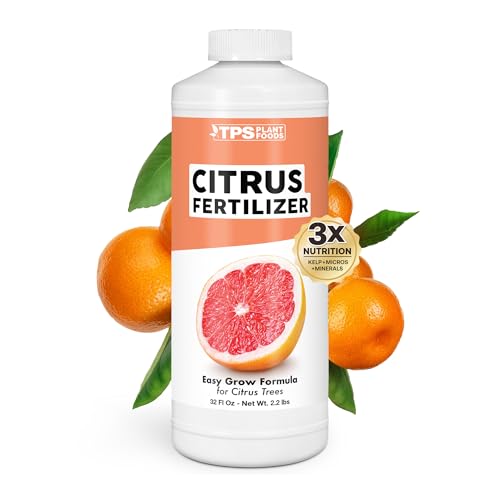
Made for Citrus Trees – Specially formulated citrus fertilizer designed for oranges, lemons, limes, and other citrus varieties.
General Timeline for Fruiting
- Flowering Phase: Orange trees bloom in spring. For most varieties, this occurs between March and May. During this phase, white blossoms appear, signaling the beginning of fruit production.
- Fruit Set: After flowering, small green oranges develop. This stage often happens in late spring to early summer. The transition from flower to fruit generally takes 7 to 12 months, depending on conditions.
- Maturation: Fruits start to ripen in winter, usually around November to February. At this time, they reach their peak sweetness and quality, making them ideal for harvest.
- California: In California, orange trees often bear fruit from November to May. The Mediterranean climate supports continuous growth, leading to staggered harvesting periods.
- Florida: Florida’s warm and humid conditions allow orange trees to produce fruit from October through June, with the peak season occurring in winter months.
- Texas: In Texas, fruiting occurs a bit later, typically from January to April. The varied climate may lead to slightly delayed harvesting compared to California and Florida.
- Other Regions: For growers in regions with cold winters, orange trees might have shorter fruiting periods. The specific variety impacts the readiness for harvest based on local conditions.
By knowing these timelines and regional variations, you can plan your gardening activities effectively and ensure a successful harvest.
Best Practices for Harvesting
Harvesting orange fruits at the right time ensures quality and flavor. Follow these practices to maximize your yield.
Recommended Products

▲【Large Fruit Picker Basket with Claw】Our fruit picker rake comes with metal twist on head basket( 9"x5.5"x5.5") for picking avocado, tangerines, apple, persimmon, grapefruit, mango, apple, pear, fig, orange, papaya,mandarins, lemons, jujubes and more fruit in four seasons.
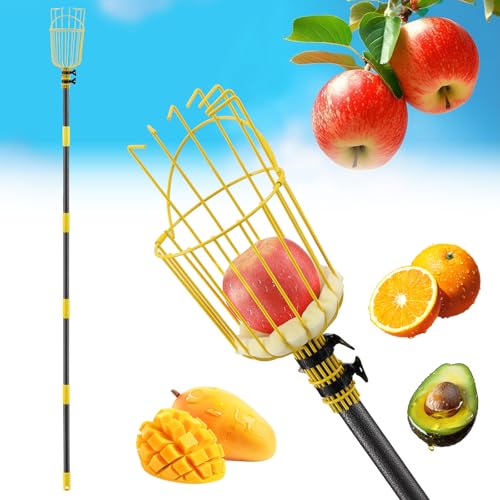
✅ COMPLETE FRUIT PICKER KIT – Includes adjustable splicing pole sections, fruit basket, protective foam pad, and storage bag. Perfect for harvesting apples, mangoes, oranges, avocados, persimmons, and more – everything you need for efficient fruit picking right out of the box.
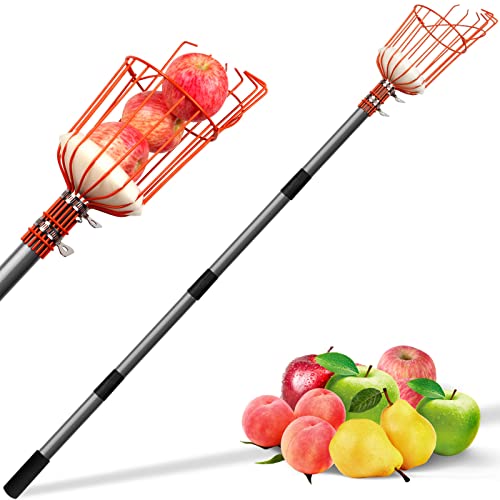
【Gentle Harvesting& Less Bruising】:This fruit picker basket features a cushioned foam pad that gently absorbs impact when fruits drop, helping reduce bruising and damage. The large-capacity metal basket is suitable for fruits ranging from 1-5.5 inches in diameter. Such as apples, mangoes, cherries, and other fruits, it ensures cleaner and safer picking with less waste.
Timing the Harvest
Harvest oranges when they’re fully ripe. You can identify ripe oranges by their vibrant color and slight softness. Typically, this occurs between late winter and early spring, depending on your region and orange variety. For instance, Navel oranges are usually ready from November to May, while Valencia oranges peak from March to June. Check the specific variety you’re growing for the best timeframe.
Ensuring Quality Fruits
To ensure high-quality fruits, use these techniques:
- Check Sugar Content: Taste is key. Pick an orange, slice it open, and taste a segment. If it’s sweet and juicy, it’s ready for harvesting.
- Examine Size and Color: Look for oranges that are uniform in size and bright in color. These typically indicate ripeness and good flavor.
- Remove with Care: Twist the fruit gently to detach it from the branch. Avoid pulling, as this can damage the tree and affect future fruit production.
- Handle with Caution: Store harvested oranges in a cool, dry place to maintain freshness. Avoid stacking them too high to prevent bruising.
By following these practices, you’ll enjoy a plentiful and flavorful harvest of oranges.
Conclusion
Knowing when your orange trees bear fruit can make all the difference in your gardening experience. By understanding the seasonal timeline and regional variations you can plan your activities to maximize your harvest.
With the right care and attention you’ll not only enjoy the process but also reap the rewards of sweet juicy oranges. Remember that each variety has its own unique traits so staying informed will help you make the most of your citrus cultivation journey.
Happy gardening and may your orange trees thrive!
Frequently Asked Questions
What is the fruiting season for orange trees?
The fruiting season for orange trees typically runs from late winter to early spring. Depending on the variety and regional climate, this can vary. For example, Navel oranges usually bear fruit from November to May, while Valencia oranges peak from March to June.
How do climate conditions affect orange tree fruiting?
Climate conditions play a significant role in the fruit-bearing cycle of orange trees. Optimal temperatures range from 60°F to 70°F. Consistent warmth promotes flowering, while frost can damage blossoms and delay fruiting. Ideal conditions are found in regions with mild winters and warm summers.
What types of orange trees are discussed in the article?
The article focuses on three types of orange trees: Navel, Valencia, and Blood oranges. Each variety has unique traits that influence their fruiting times and overall flavor, making it important for growers to understand their specific needs.
What care practices are essential for orange trees?
Essential care practices for orange trees include deep watering, annual pruning, and regular fertilizing. These practices help promote healthy growth, enhance productivity, and increase the chances of a fruitful harvest.
How can I tell when to harvest oranges?
Oranges are ready to harvest when they are fully ripe, indicated by vibrant color and slight softness. For Navel oranges, this is typically between November and May, while Valencia oranges are best harvested from March to June.
