

Have you ever wondered how long it takes for a mango tree to start producing those delicious fruits? If you’re thinking about planting one or just curious about these tropical wonders, you’re in the right place. Understanding the timeline for mango trees can help you plan better and enjoy the fruits of your labor sooner.
Key Takeaways
- Mango trees typically start producing fruit 3 to 5 years after planting, but timelines vary based on tree variety and care.
- Peak production occurs between 8 to 10 years, yielding 200 to 300 fruits annually from mature trees.
- Proper care is essential for maximizing fruit yield; focus on adequate watering, nutrient-rich soil, and full sunlight exposure.
- Be aware of the harvest timeline: most mango varieties mature 4 to 6 months post-flowering; monitor fruit size and color for optimal harvest.
- Factors such as tree age, environmental conditions, and maintenance routines significantly influence the fruit-bearing timeline of mango trees.
- Different mango varieties, like Haden, Tommy Atkins, and Kent, vary in growth times and environmental preferences, so choose according to your local climate for best results.
Overview of Mango Tree Fruit Production
Mango trees typically start bearing fruit between three to five years after planting. This timeframe may vary based on tree variety and growing conditions. Certain types, such as the ‘Haden’ or ‘Tommy Atkins,’ may begin producing fruit earlier compared to others.
Mango trees reach peak production at around eight to ten years of age. During this period, you can expect a significant yield of fruits annually. A mature mango tree can produce between 200 to 300 fruits per season, depending on its size and health.
To optimize fruit production, provide proper care. Ensure good soil drainage and adequate sunlight. Regular watering and fertilization will also support healthy growth. Using organic fertilizers can enhance fruit quality and flavor.
Understanding the harvest period is crucial. Most mango varieties mature between four to six months after flowering. Pay attention to the color and size of the fruit, and monitor it closely as the harvest approaches. Picking the fruit at the right time ensures the best taste and texture.
Factors Influencing Fruit Production
Multiple factors affect how many years a mango tree takes to bear fruit. Understanding these influences helps you maximize your mango tree’s productivity.
Tree Age and Maturity
Tree age plays a crucial role in fruit production. Typically, mango trees start bearing fruit between three to five years after planting. Younger trees may produce fewer fruits, while mature ones yield significantly more. Expect peak production around eight to ten years of age. At this stage, trees generate 200 to 300 fruits each season. Planting a grafted tree often leads to earlier fruiting compared to seedlings.
Environmental Conditions
Environmental conditions directly influence fruit production. Mango trees thrive in warm climates with plenty of sunlight. Ideal temperatures range from 77°F to 95°F. They also prefer well-draining soil and need minimal rainfall during flowering. Too much water can lead to root rot, hindering growth. Consider planting in locations that provide good air circulation and protection from strong winds, which can damage flowers.
Care and Maintenance
Proper care and maintenance significantly enhance fruit production. Ensure regular watering, especially during dry spells. Use organic fertilizers to improve soil nutrients and fruit quality. Pruning in the right season promotes better air flow and sunlight penetration. Monitoring for pests or diseases is essential; early intervention can prevent crop loss. Training the tree’s shape also aids in maximizing fruit yield and health.
Timeline of Mango Tree Fruit Bearing
Understanding the timeline for mango trees to bear fruit helps you manage expectations and care routines effectively. Generally, mango trees start producing fruit three to five years after planting, influenced by various factors such as tree type and environmental conditions.
Recommended Products
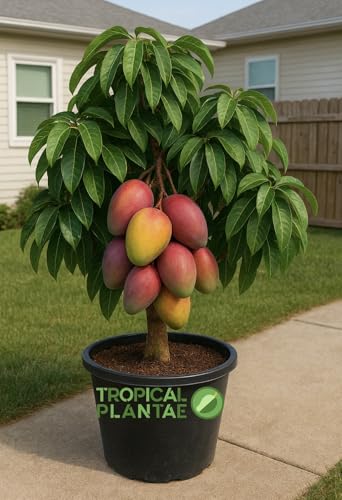
Imagine stepping into your backyard a few months from now and seeing a beautiful grafted Haden mango tree, growing stronger every day — a tree that will soon reward you with one of the most classic, flavorful mangoes ever grown.
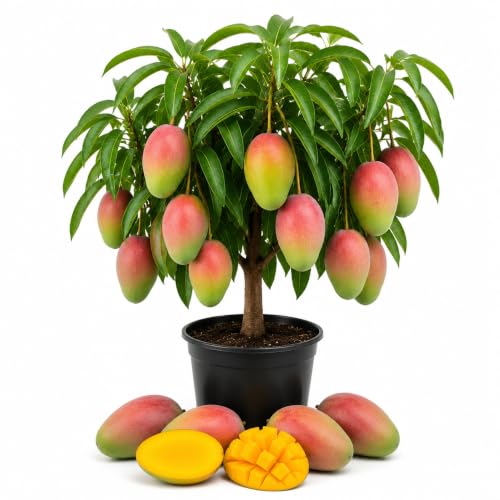
Not available in CA

No CA, Grafted Ice Cream Mango Tree: Known for its delicious, small, sweet, and creamy fruit, perfect for small spaces and tropical gardens. Thrives in Zones 10-11.
Initial Growth Period
During the initial growth period, mango trees focus on developing new roots, leaves, and stems. This stage usually lasts about three years. During this time, ensure your tree receives:
- Consistent Watering: Water regularly but avoid over-watering, which can lead to root rot.
- Nutrient-Rich Soil: Use well-draining soil that’s rich in organic matter.
- Adequate Sunlight: Place your tree in a sunny spot, as mango trees thrive in full sun.
Different varieties may grow at varying rates, so keep an eye on your tree’s overall health. Grafted mango trees often grow faster than seed-grown trees.
Onset of Fruit Production
After reaching maturity in three to five years, mango trees begin to flower, leading to fruit production. The key stages to watch for include:
- Flowering Season: Expect flowers to bloom during the dry season. This period typically occurs in winter or spring, depending on your climate.
- Fruit Set: After flowering, small mangoes start developing. Proper care during this time promotes higher yields.
- Maturity Phase: Most mango varieties take four to six months after flowering to mature. Monitor your fruit’s color and size closely. When color changes and fruits reach appropriate size, it’s time for harvest.
Regularly inspect for pests and diseases, as these can affect fruit growth. Involve proper watering and nutrient management during this crucial period to ensure a healthy harvest.
Common Varieties of Mango Trees
Mango trees come in various varieties, each with unique characteristics and fruiting timelines. Understanding these varieties helps you choose the right one for your garden.
Recommended Products

Tommy Mango Tree Live Plant: Live grafted Tommy Mango tree, in a 2-3 gallon pot, well-rooted and ready for planting, no ship to CA

2X MORE VALUE: The 16 oz of Mango Liquid Plant Fertilizer makes 16 gallons of liquid fertilizer, while the bigger size 32 oz bottle makes 32 gallons, ensuring long-lasting care for all mangoes.
Haden
- Growth Time: Haden mango trees generally bear fruit in three to five years.
- Fruit Characteristics: These mangoes are known for their sweet, tangy flavor and vibrant red blush when ripe.
- Ideal Climate: Haden thrives in warm climates with well-draining soil.
Tommy Atkins
- Growth Time: Tommy Atkins mango trees also produce fruit within three to five years.
- Fruit Characteristics: This variety is popular for its fibrous texture and mild sweetness, making it a favorite for salads and smoothies.
- Ideal Climate: It grows well in hot, humid conditions and is drought-resistant.
Kent
- Growth Time: Kent mango trees usually start bearing fruit around four to six years after planting.
- Fruit Characteristics: Known for their juicy flesh and minimal fiber, Kent mangoes are excellent for fresh consumption and desserts.
- Ideal Climate: They prefer tropical regions but can adapt to subtropical climates as well.
Alphonso
- Growth Time: Alphonso mango trees may take four to six years to yield fruit.
- Fruit Characteristics: Renowned for their creamy texture and intense sweetness, these mangoes are often considered the best in the world.
- Ideal Climate: Alphonso trees thrive in hot, dry conditions with plenty of sunlight.
Keitt
- Growth Time: Keitt mangoes typically produce fruit in five to seven years.
- Fruit Characteristics: This variety is late-season, offering large, sweet fruits that are perfect for juicing and cooking.
- Ideal Climate: Keitt trees do well in warmer areas and handle humidity effectively.
- Space Requirements: Ensure adequate space for mature trees, as they can grow large.
- Local Climate: Choose a variety suited for your climate zone to encourage optimal growth and fruit production.
- Maintenance Needs: Some mango trees require more care than others, so consider your gardening experience and available time.
Understanding these common mango tree varieties helps you select the best one for your space, maximizing your chances for a fruitful harvest.
Conclusion
Growing a mango tree can be a rewarding experience. With a bit of patience and care you’ll soon find yourself enjoying delicious fruits. Keep in mind that the timeline for fruit production varies based on the tree variety and the conditions you provide.
By choosing the right variety and ensuring proper maintenance you can maximize your chances of a fruitful harvest. Remember to monitor your tree’s health and adjust your care as needed. Soon enough you’ll be savoring the sweet taste of homegrown mangoes right from your own garden. Happy planting!
Frequently Asked Questions
How long does it take for a mango tree to bear fruit?
Mango trees typically begin to produce fruit between three to five years after planting. The exact timeline can vary depending on the variety and growing conditions.
What is the peak production age for mango trees?
Mango trees usually reach peak fruit production around eight to ten years of age, yielding between 200 and 300 fruits per season.
Which mango varieties produce fruit earliest?
Varieties like ‘Haden’ and ‘Tommy Atkins’ are known to bear fruit earlier, typically within three to five years after planting.
What conditions do mango trees thrive in?
Mango trees thrive in warm climates with temperatures between 77°F and 95°F, well-draining soil, and ample sunlight. They also need minimal rainfall during flowering to prevent root rot.
How can I enhance mango fruit production?
To optimize mango fruit production, ensure regular watering, use organic fertilizers, practice appropriate pruning, and monitor for pests and diseases.
What is the growth period of mango trees?
The initial growth period for mango trees lasts about three years, during which they focus on developing roots, leaves, and stems before entering the fruit production phase.
When should I expect to harvest mangoes?
Most mango varieties mature four to six months after flowering. It’s important to monitor fruit color and size to determine the right time for harvesting for optimal taste and texture.
How do different mango varieties affect fruiting timelines?
Different varieties have varying fruiting timelines. For example, ‘Kent’ and ‘Alphonso’ usually bear fruit in four to six years, while ‘Keitt’ may take five to seven years. Selecting the right variety is crucial for successful harvesting.
