

Do you ever wonder when the perfect time is to plant cantaloupe in your garden? Picture this: you’re eager to grow juicy, sweet cantaloupes, but unsure about the ideal timing. That’s where this article comes in handy.
In the following paragraphs, you’ll discover valuable insights on when to plant cantaloupe for a successful harvest. By understanding the optimal planting window, you can maximize your chances of cultivating delicious melons in your own backyard. Let’s explore the best timing for planting cantaloupe and set yourself up for a bountiful yield.
Key Takeaways
- Timing is crucial for a successful cantaloupe harvest, with optimal planting windows based on regional climate variations.
- Cantaloupes require warm soil temperatures, plenty of sunlight, well-draining soil, and proper spacing for healthy growth.
- Understanding your specific U.S. zone helps determine the best planting time for cantaloupes to ensure a fruitful harvest.
- Preparation steps like soil preparation and selecting the right cantaloupe variety are essential for a successful harvest.
- Care and maintenance post-planting include consistent watering, balanced fertilizing, disease prevention through crop rotation, and natural pest control methods.
Understanding Cantaloupe Planting Seasons
When it comes to planting cantaloupe, timing is crucial for a successful harvest. Here’s a breakdown of the best time to plant cantaloupe based on different factors.
Overview of Cantaloupe Growing Requirements
For optimal growth, cantaloupes require warm soil temperatures between 70-90°F (21-32°C) and plenty of sunlight. They thrive in well-draining soil with a pH level of 6.0-6.8. Adequate spacing between plants, typically 36-42 inches apart, allows for proper air circulation and healthy vine development.
To promote fruit set and sweetness, ensure consistent watering throughout the growing season, especially during flowering and fruiting stages. Mulching around the plants helps retain moisture, regulate soil temperature, and suppress weed growth.
Regional Considerations in the U.S.
The United States has diverse climatic regions that influence the ideal planting time for cantaloupes:
- Northern States: In cooler northern states like Maine or Minnesota, wait until after the last frost date before planting cantaloupe seeds directly into warmed soil or consider starting them indoors.
- Southern States: Warmer southern states like Florida or Texas can start planting earlier but should avoid extreme heat periods by providing partial shade during peak summer months.
- Midwest & Central States: These regions have moderate climates where planting can begin once soil temperatures are consistently above 70°F (21°C).
- Western States: Areas like California benefit from long growing seasons but may need additional irrigation during dry spells to support healthy melon production.
Understanding your local climate and microclimate variations will help you determine the most suitable time to plant cantaloupes for a fruitful harvest in your region.
Optimal Planting Time for Various U.S. Zones
When it comes to planting cantaloupe, understanding the optimal time based on your specific U.S. zone is crucial for a successful harvest. Below are some guidelines to help you determine the best planting window according to different regions across the United States.
Recommended Products

PRECISE SOIL TEMPERATURE READINGS: Measures soil temperatures from 20 degrees F to 180 degrees F (0 degrees C to 80 degrees C) with a large, easy-to-read analog dial face - no batteries or digital screens needed for reliable results every time
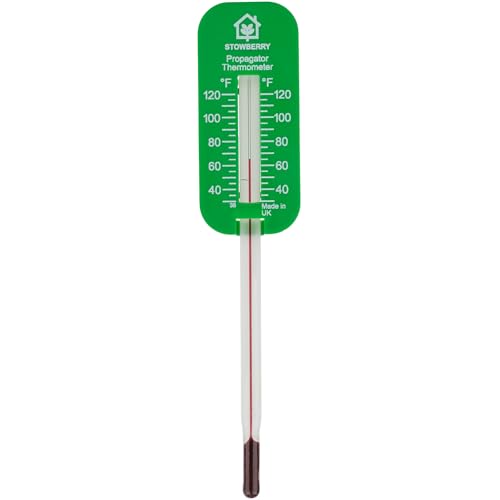
ACCURATE SOIL TEMPERATURE READINGS – Ensure the perfect growing environment for seeds and plants with this greenhouse soil thermometer, designed to give reliable and precise temperature measurements.

Easy-to-read green, yellow, and red tick marks for easy monitoring
Zone-Based Planting Guides
- Northern Regions (Zone 3-5): In cooler northern zones, such as Zone 3-5, wait until after the last frost date before planting cantaloupe seeds directly into warm soil. Aim for soil temperatures of at least 70°F (21°C) for successful germination and growth.
- Central Regions (Zone 6-8): For central zones like Zone 6-8, consider starting seeds indoors around 4 weeks before the last frost date to get a head start on the growing season. Transplant seedlings outdoors once all frost dangers have passed.
- Southern Regions (Zone 9-11): In warmer southern zones such as Zone 9-11, direct sow seeds or transplant seedlings after any risk of frost has disappeared. Ensure plants receive adequate sunlight and water regularly in these hotter climates.
- Coastal Areas: If you live in a coastal region where temperatures can fluctuate due to ocean influences, monitor local weather patterns closely and adjust your planting schedule accordingly.
- Mountainous Terrain: For mountainous areas with varying elevations, be mindful of microclimates that can impact temperature and frost occurrences. Consider planting cantaloupes in sheltered spots or using row covers for protection against unexpected frosts.
Preparation Steps Before Planting Cantaloupe
Before you start planting cantaloupe, there are essential preparation steps you should take to ensure a successful harvest. Here are some key factors to consider:
Recommended Products
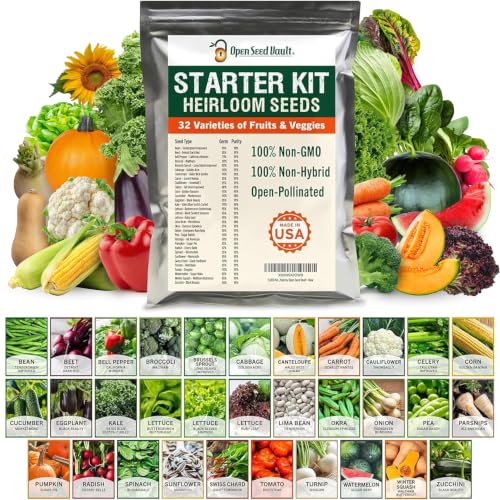
COMPLETE VEGETABLE GARDEN VARIETY PACK – Grow a thriving home garden with 32 popular vegetable seeds including Bean, Beet, Bell Pepper, Broccoli, Brussels Sprout, Cabbage, Cantaloupe, Carrot, Cauliflower, Celery, Corn, Cucumber, Eggplant, Kale, Lettuce (3 types), Lima Bean, Okra, Onion, Pea, Parsnip, Pumpkin, Radish, Spinach, Sunflower, Swiss Chard, Tomato, Turnip, Watermelon, Zucchini. A diverse mix perfect for fresh meals, backyard gardens, and sustainable growing.

Set includes 43 lightly assorted Vegetable and Herb seeds!

COMPLETE HERB GARDEN VARIETY PACK – Grow a flavorful herb garden with 12 essential varieties including Anise, Slow Bolt Basil, Italian Large Leaf Basil, Common Chives, Slow Bolt Cilantro, Cumin, Bouquet Dill, Italian Oregano, Flat Leaf Parsley, Broad Leaf Sage, Summer Savory, and Winter Thyme. Perfect for fresh, aromatic harvests at home.
Soil Preparation
To give your cantaloupes the best start, prepare the soil properly. Make sure the soil is well-draining and rich in nutrients. You can add compost or well-rotted manure to improve soil fertility. Testing the soil pH can also help determine if any adjustments are needed for optimal growth.
Choosing the Right Cantaloupe Variety
Selecting the right cantaloupe variety is crucial for a successful harvest. Consider factors such as your climate, available space, and desired flavor profile when choosing a variety. Popular varieties like ‘Hale’s Best’ or ‘Ambrosia’ are known for their sweet taste and reliable performance.
By following these preparation steps before planting cantaloupe, you’ll set yourself up for a bountiful harvest of delicious melons.
Care and Maintenance After Planting
After you’ve planted your cantaloupe, it’s essential to provide proper care and maintenance to ensure a bountiful harvest. Here are some key aspects to focus on:
Recommended Products

Protect your oasis with 3 garden products in 1 from Captain Jack’s; Bonide Captain Jack’s Ready-to-Use Neem Oil spray for plants is a multi-purpose fungicide, insecticide and miticide for your lawn & garden

Protect your oasis with Captain Jack’s Neem Max Ready-to-Use Spray; this multipurpose product acts as a 4-in-1 insecticide, fungicide, miticide and nematicide

Gentle Plant Wash Made with Neem Oil & Peppermint Oil
Watering and Fertilizing
To keep your cantaloupe plants healthy and thriving, make sure to water them consistently. Cantaloupes require regular watering, especially during dry spells or hot weather. Aim to keep the soil evenly moist but not waterlogged to prevent root rot.
When fertilizing your cantaloupe plants, opt for a balanced fertilizer with equal parts nitrogen, phosphorus, and potassium. Apply the fertilizer according to the package instructions, usually every few weeks during the growing season. Avoid over-fertilizing as it can lead to excessive foliage growth at the expense of fruit production.
Disease and Pest Control
Preventing diseases and pests is crucial for the successful cultivation of cantaloupes. Keep an eye out for common issues like powdery mildew, bacterial wilt, or aphids that can affect your plants.
One effective method for disease prevention is crop rotation—avoid planting cantaloupes in the same spot year after year. Additionally, practicing good garden hygiene by removing any diseased plant material promptly can help prevent the spread of diseases.
For pest control, consider using natural remedies like neem oil or insecticidal soap to deter common pests while minimizing harm to beneficial insects in your garden.
Conclusion
Timing is key when it comes to planting cantaloupe in different U.S. regions. By following specific guidelines for your zone and considering factors like soil temperature, sunlight, spacing, and watering requirements, you set the stage for a successful harvest. Remember to adapt care practices based on your region’s unique needs, whether coastal or mountainous. Post-planting care is just as crucial – focus on consistent watering, balanced fertilization, disease prevention through rotation and hygiene, and natural pest control methods like neem oil. These steps are essential for nurturing your cantaloupe plants towards a bountiful harvest of delicious fruits. Happy planting!
Frequently Asked Questions
Q: What are the key factors to consider when planting cantaloupe in different U.S. zones?
A: Key factors include soil temperature, sunlight exposure, proper spacing, and watering requirements specific to each region.
Q: Are there any special considerations for coastal areas when growing cantaloupes?
A: Coastal areas may require additional attention to protect plants from strong winds and salt spray while ensuring adequate drainage.
Q: How should I care for my cantaloupe plants after planting?
A: Post-planting care involves consistent watering, balanced fertilization, disease prevention through crop rotation and garden hygiene, and natural pest control methods like neem oil.
Q: Why is timing important when planting cantaloupe across different U.S. zones?
A: Timing affects the success of the harvest as it ensures optimal growth conditions based on the specific climate of each region.
