

Growing avocado trees in Texas is achievable with the right techniques and care. Selecting the appropriate varieties and understanding local climate conditions are crucial for success.
Best Avocado Varieties for Texas Climate
Selecting the right avocado varieties is crucial for thriving in Texas’s unique climate. With its diverse weather patterns and soil types, certain avocados are better suited for successful growth and fruit production. This section highlights the best options for Texas gardeners looking to cultivate healthy and productive avocado trees.
Choosing the correct avocado varieties is essential for thriving trees in Texas. The state’s diverse climate allows for certain types to flourish better than others. The most suitable varieties include:
Hass: Known for its creamy texture and rich flavor, it thrives in warmer areas.
Fuerte: This variety is more cold-tolerant and can withstand temperatures down to 28°F.
Bacon: A good choice for cooler areas, it produces medium-sized fruit with a smooth skin.
Understanding the characteristics of each variety helps in making informed decisions for planting.
Recommended Products
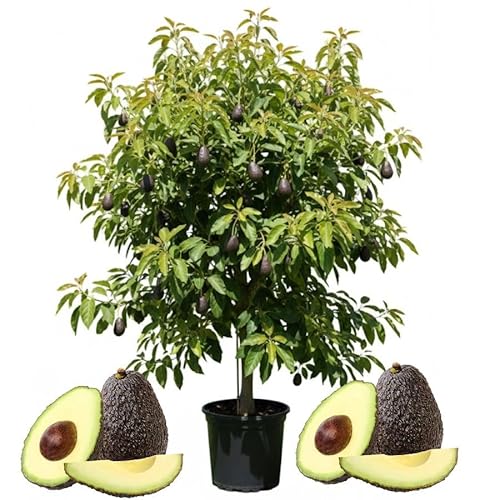
Hass Avocado Plant - 3 Gallon Size

Easy to Grow – Requires minimal care and thrives in full sun or partial shade

Avocado Varieties for Texas Climate
When selecting avocado varieties for Texas, it’s essential to consider the state’s unique climate conditions. The right choices can lead to successful growth and fruitful harvests, ensuring that gardeners can enjoy the rich flavors of homegrown avocados. This section explores the best avocado varieties suited for the diverse Texas landscape.
| Variety | Cold Tolerance | Fruit Size | Flavor Profile | Best Regions |
|---|---|---|---|---|
| Hass | Moderate | Large | Creamy | Southern Texas |
| Fuerte | High | Medium | Buttery | Central Texas |
| Bacon | High | Medium | Mild | Northern Texas |
Site Preparation for Avocado Cultivation
Preparing the right site is crucial for successfully growing avocado trees in Texas. The unique climate and soil conditions in the Lone Star State require careful consideration to ensure optimal growth and fruit production. This section will outline the essential steps for site preparation, helping you create the ideal environment for your avocado trees.
Proper site preparation is vital for successful avocado growth. Avocado trees prefer well-drained soil and full sun exposure. Here are key steps to prepare your site:
Choose a location that receives at least 6-8 hours of sunlight daily.
Test soil for pH levels; ideal pH is between 6 and 7.
Amend soil with organic matter to improve drainage and nutrient content.
These preparations set a solid foundation for healthy tree growth.
Recommended Products

Kindly NOTE: This soil tester can not be applied to test pH value of any other liquid. If the soil is too dry the indicator will not move, and water it before testing.

✅ 1Dial & 1 LCD Screen - Replace/install all 3 batteries each time. Put button to %RH/°F to - Turn On, and put to LIGHT to - Turn Off. Read the LCD results in 3-5 mins. (Not Water Moisture Meter, so, please don't test liquid)

Accurate Soil pH Testing: Dewildetradingco Soil pH Test Strips offer measurements of soil pH levels (pH 3.5-9). As an essential tool for every gardener and grower, these test strips help determine the optimal pH for various plants, such as outdoor plants, indoor plants, gardens, grass lawns, fruit trees, flowers, vegetables, and forest shrubs.
Spacing Guidelines for Avocado Trees
Proper spacing is crucial for the successful growth of avocado trees in Texas, as it influences their health, productivity, and overall yield. Understanding the optimal distances between trees can help ensure adequate sunlight, air circulation, and nutrient access, ultimately leading to a thriving avocado orchard. This section outlines key spacing guidelines to maximize your avocado cultivation efforts.
Spacing: Space trees 15-20 feet apart to allow for growth.
Timing: Plant in spring after the last frost.
Watering: Water deeply after planting to establish roots.
Avocado Tree Maintenance Guidelines
Maintaining avocado trees in Texas requires specific attention to their unique needs, given the state’s climate and soil conditions. This section outlines essential guidelines for watering, pruning, and fertilizing to ensure healthy growth and fruit production. By following these practices, gardeners can cultivate thriving avocado trees in the Lone Star State.
Ongoing care is crucial for maintaining healthy avocado trees. Regular maintenance includes watering, fertilizing, and pruning. Follow these guidelines:
Watering: Avocado trees prefer deep watering every 1-2 weeks. Adjust frequency based on rainfall.
Fertilizing: Use a balanced fertilizer formulated for fruit trees, applying it in early spring and late summer.
Pruning: Light pruning helps maintain shape and removes dead or diseased branches.
Consistent care leads to better fruit production.
Recommended Products
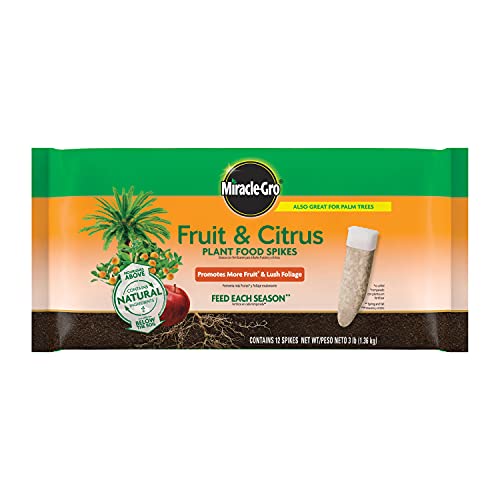
FORMULATED FOR CITRUS AND FRUIT TREES: Use these citrus fertilizer spikes on apple, orange, lemon, lime, and avocado trees; this formula is also great for feeding palm trees

HEALTHY AVOCADO PLANTS: Our Avocado Fruit Fertilizer is formulated to nourish your avocado plants with micronutrients for lush growth and vibrant leaves while preventing yellowing and stunted growth.

FOR USE ON: Use Citrus-tone organic fertilizer for all citrus trees, including lemon, lime, orange, Meyer Lemon Trees as well as for avocado & nut trees
Pests and Diseases Affecting Avocado Trees
Avocado trees in Texas face various pests and diseases that can hinder their growth and fruit production. Understanding these threats is essential for maintaining healthy trees and ensuring a successful harvest. This section delves into the common issues affecting avocado cultivation in the Lone Star State, providing insights into prevention and management strategies.
Being aware of potential pests and diseases is essential for protecting your avocado trees. Common issues include:
Avocado lace bugs: These pests suck sap from leaves, causing discoloration.
Root rot: Caused by overwatering, this disease can kill trees if not managed.
Powdery mildew: A fungal disease that affects leaves, especially in humid conditions.
Regular monitoring and prompt action can prevent significant damage.
Optimal Harvesting Techniques for Texas Avocados
Harvesting avocados at the right time is crucial for maximizing yield and quality in Texas. Understanding the optimal techniques tailored to the state’s unique climate and conditions can significantly enhance the success of avocado cultivation. This section explores effective strategies for harvesting avocados to ensure they thrive in the Lone Star State.
Knowing when and how to harvest avocados ensures the best flavor and quality. Avocados do not ripen on the tree but rather after being picked. Here are steps for harvesting:
Timing: Harvest when the fruit reaches full size and has a slightly glossy appearance.
Method: Use pruning shears to cut the fruit from the branch, leaving a short stem attached.
Storage: Store unripe avocados at room temperature. Once ripe, refrigerate to extend freshness.
Proper harvesting techniques enhance the overall quality of your avocados.
Harvest Timing for Optimal Avocado Flavor
Understanding the optimal harvest timing for avocado trees is crucial for achieving the best flavor and quality in Texas. The unique climate conditions in the Lone Star State influence when avocados reach their peak ripeness, making it essential for growers to pay close attention to seasonal changes and specific indicators of fruit readiness. This section explores the best practices for harvesting avocados to enhance their taste and texture.
Avoid harvesting avocados too early as this affects flavor and texture.
Successful Avocado Cultivation Techniques in Texas
Avocado cultivation in Texas presents unique challenges and opportunities due to the state’s diverse climate and soil conditions. Understanding effective growing techniques is essential for maximizing yield and ensuring healthy trees. This section delves into proven methods that can help Texas gardeners successfully grow avocados, from soil preparation to pest management.
Growing avocado trees in Texas requires careful selection of varieties, site preparation, and ongoing care. Following these guidelines can lead to a fruitful harvest and a thriving garden.
