

Have you ever watched your beloved fruit trees struggle through the harsh winter months? You’re not alone. Many gardeners face the challenge of keeping their trees healthy and thriving when temperatures drop and snow blankets the ground.
Key Takeaways
- Importance of Winter Protection: Protecting fruit trees in winter ensures their survival, prevents damage, and maintains their ability to produce fruit in warmer seasons.
- Common Winter Threats: Be aware of risks such as frost damage, snow load, and animal interference, which can severely impact the health of fruit trees.
- Effective Protection Methods: Utilizing methods like mulching, wrapping trunks, and installing physical barriers can significantly shield trees from harsh winter conditions.
- Seasonal Care Practices: Implementing pruning practices and watering before the ground freezes can enhance the resilience and health of fruit trees as they prepare for the growing season.
- Enhanced Tree Longevity: Proper winter care not only supports fruit production but also contributes to the overall longevity and vitality of fruit trees.
- Improving Resilience: Reliable winter protection increases trees’ resilience against pests and diseases, ensuring their well-being and productivity in the coming seasons.
Importance Of Protecting Fruit Trees In Winter
Protecting fruit trees in winter ensures their survival and fruit-bearing capabilities for the following seasons. Extreme cold, frost, and snow can harm trees, leading to issues like dieback and reduced yields. Understanding the significance of protection helps you maintain healthy trees.
Preventing Damage
Winter can inflict stress on fruit trees due to temperature fluctuations and harsh conditions. Deep freezes can cause the bark to crack, while prolonged frost can kill buds. By implementing protective measures, you minimize these risks. For example, wrapping trunks with burlap prevents sunscald during sunny winter days.
Ensuring Healthy Growth
Healthy fruit trees require strong root systems. Winter damage can weaken roots, hampering their growth in spring. Protecting trees supports their vitality, ensuring they thrive when warm weather returns. Regular mulching retains soil temperature and moisture, promoting root health.
Promoting Fruit Production
Proper winter protection contributes to better fruit production. Trees that suffer damage struggle to produce healthy fruit. With appropriate care during winter, you can expect a more abundant harvest in the warmer months. Applying anti-desiccant sprays can help guard against moisture loss.
Enhancing Longevity
Well-cared-for fruit trees live longer and bear fruit for many seasons. Protecting trees in winter contributes to their longevity. Actions like pruning dead branches in late winter help maintain structural integrity, which leads to years of productive growth.
A Increasing Resilience
Strong winter protection also increases a tree’s resilience against pests and diseases. Cold weather can stress trees, making them more susceptible to infestations. By ensuring their well-being through winter care, you reduce the odds of pest-related issues in spring.
Implementing these protection strategies will enhance the health and productivity of your fruit trees. Prioritizing their well-being during winter translates into thriving trees and bountiful harvests.
Common Winter Threats To Fruit Trees
During winter, fruit trees face several threats that can jeopardize their health. Understanding these risks helps you take effective protective measures.
Recommended Products

The small plant cover is perfect for Plant size 16''-23"high and 36''-46" round, Heavy-weight FRCs (1.77oz./sq. yard): usually used to extend the growing season in spring and fall, allow 40%-60% light transmittance, and recommend 3°-8°F of freeze protection
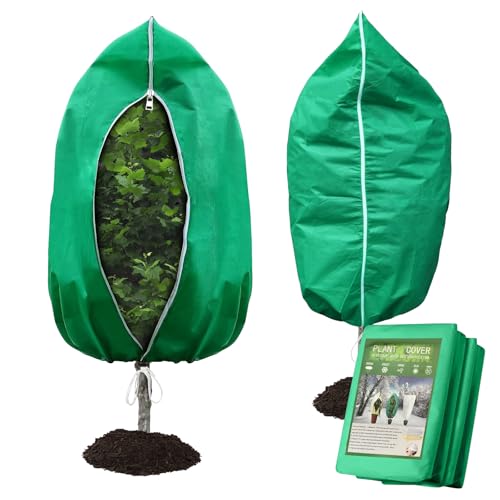
🌬️ Ultimate Cold Weather Protection:Crafted from thick 2.8oz/yd² non-woven fabric, our HEKIWAY plant freeze covers shield your trees and plants from frost, snow, wind, and ice. A reliable barrier for harsh winters, ensuring your greenery survives and thrives

Revolutionary Anti-freeze Protection: Plant covers freeze protection is made of 100% Reliable non-woven thickened polypropylene fabric Because the frost cloth fabric Thickness is 3.2 oz/yd² thicker and warmer, tear resistant than less expensive 1.3 oz/yd² fabric. Provides up to 2° F(-17℃) frost protection. In winter, frost blankets for outdoor plants can form a insulation layer for plants to isolate cold air and retain the oxygen required for plant respiration
Frost Damage
Frost can harm young buds and blossoms. When temperatures drop suddenly, tender new growth is particularly vulnerable. For instance, a late spring frost can kill blossoms, resulting in poor fruit yields. To protect your trees, cover them with frost blankets during cold snaps. This added insulation helps maintain warmth around the blossoms.
Snow Load
Heavy snow can weigh down branches, causing them to break. Accumulations of wet snow are especially risky as they stick to branches, increasing stress on the tree. To mitigate this risk, gently shake branches to remove excess snow. If you anticipate a snowstorm, consider installing support stakes around weak branches to provide additional protection.
Animal Damage
Wild animals, such as deer and rodents, can cause significant damage to fruit trees in winter. They may nibble on bark or eat tender shoots, which can stunt growth and reduce yields. To deter animals, wrap the trunks of your trees with protective materials, like hardware cloth or mesh fencing. This barrier can prevent animals from accessing vulnerable areas and help your trees thrive despite the cold.
Effective Methods To Protect Fruit Trees
Protecting your fruit trees during winter is vital for their health and future yield. Implementing effective strategies ensures they withstand harsh conditions.
Recommended Products

Comprehensive Protection : Weed removal, hedge trimmers and animals can cause irreversible damage to young trees.Our plastic tree trunk protectors provide complete defense, effectively isolating saplings from potential harm caused by deer, rabbits,cats, squirrels, rodents, and lawn mowers

Janitorial & Cleaning Supplies

Upgrade Materials: The tree wrap is made of eco-friendly and biodegradable non-woven fabric. It fits snugly around any tree, mimicking its shape and bark texture, while also ensuring excellent breathability. This allows the tree to breathe freely and promote healthy growth. The tree protector is highly durable, providing long-lasting protection for trees.The tree trunk wrap won't impede tree growth and will facilitate gardening efforts by naturally decomposing over time.
Mulching Techniques
Mulching provides insulation and moisture retention. Spread a layer of organic mulch, like wood chips or straw, 3 to 4 inches thick around the base of the tree. This helps regulate soil temperature and protects roots from freezing. Keep the mulch a few inches away from the trunk to prevent rot. Replenish mulch annually to maintain its effectiveness.
Wrapping Trees
Wrapping tree trunks with burlap or specialized tree wrap prevents sunscald and frost cracks. Start wrapping from the base and move upward, overlapping layers by a third to create insulation. Remove the wrap in early spring to avoid moisture buildup. Ensure you secure the wrap firmly but not too tightly to allow tree growth.
Installing Barriers
Installing physical barriers protects trees from animal damage and heavy snow. Surround your tree with a mesh fence or hardware cloth, burying the bottom several inches into the ground to deter burrowing animals. Support weak branches with stakes or ties to prevent breakage under heavy snow. Regularly check these barriers to ensure they remain in good condition.
Seasonal Care Tips For Fruit Trees
Protecting your fruit trees during winter requires a few key practices. These strategies ensure your trees remain healthy and ready to produce fruit in the warmer months.
Recommended Products

★ 1. What you get: Professional convenient grafting tool set including a dual-use grafting pruner tool contain 2 extra replaceable blades, a wrench and a screwdriver, along with 36pcs wide rubber bands, 150 thick rubber bands and 1 grafting tape, packed in a black wallet to meet all your needs


Package Includes: Contents 1 Manual gardening grafting cutter and 2 rolls of 2 sizes of grafting tape, meeting your needs.
Pruning Practices
Pruning in late winter sets the stage for healthy growth. Trim dead or damaged branches first. Focus on removing any crossing branches to improve air circulation. Keep the overall shape of the tree balanced. Use sharp, clean tools to make clean cuts, preventing disease. Shorten long branches to promote strength. Finally, remember to prune sparingly; over-pruning leads to stress.
Watering Considerations
Watering is crucial before the ground freezes. Aim to deeply water your trees a week or two before the first frost. This practice helps hydrate the roots and supports the tree’s resilience. Avoid watering during winter, as frozen ground prevents absorption. In spring, begin monitoring moisture levels again. Water your trees when the top few inches of soil feels dry. This helps the trees bounce back and prepares them for the growing season.
Conclusion
Taking the time to protect your fruit trees during winter can make all the difference in their health and productivity. By implementing simple strategies like mulching and wrapping trunks you’re setting your trees up for success.
Don’t forget to check on your barriers and remove any wraps as spring approaches. With a little effort now you’ll enjoy a thriving garden and bountiful harvests when warmer weather returns. Your fruit trees will thank you for the care you provide during those chilly months. Happy gardening!
Frequently Asked Questions
What are the main winter threats to fruit trees?
Frost, heavy snow, and animal damage are the main threats. Frost can harm buds and blossoms, heavy snow can break branches, and animals can cause damage to the bark and roots.
How can I protect my fruit trees from frost damage?
Use frost blankets to cover trees during late spring frosts. These protective coverings help insulate young buds and blossoms from sudden temperature drops.
Why is mulching important for fruit trees in winter?
Mulching insulates the soil, retaining moisture and protecting roots from freezing. It also helps prevent weeds, maintaining a healthy environment for tree growth.
When should I prune my fruit trees?
Prune in late winter to remove dead or damaged branches and promote air circulation. This timing allows trees to recover and encourages healthy growth for the upcoming season.
How can I prevent animal damage to my fruit trees?
Wrap tree trunks with burlap or protective materials and install physical barriers like mesh fences to deter animals from chewing on the bark or digging at the roots.
