

Have you ever dreamed of picking fresh fruit right from your backyard? Growing your own fruit tree can be a rewarding experience, but with so many options out there, it’s easy to feel overwhelmed. You might wonder which tree will thrive with the least amount of fuss.
Key Takeaways
- Easiest Fruit Trees: Apple, pear, fig, cherry, and peach trees are among the simplest fruit trees to grow, thriving with minimal maintenance.
- Climate Consideration: Match fruit tree selections to your local climate for optimal growth—apple trees prefer temperate zones, while fig trees flourish in warmer climates.
- Space Requirements: Ensure adequate space for fruit tree growth, considering varieties’ mature sizes and employing semi-dwarf options for smaller yards.
- Essential Care Practices: Proper soil preparation, regular watering, and timely pruning are crucial for healthy fruit tree development and maximizing yields.
- Pest Management: Stay vigilant against pests and diseases by employing preventive measures and using organic solutions, promoting a healthy garden ecosystem.
Overview of Easy-to-Grow Fruit Trees
Growing fruit trees requires minimal effort with the right choices. Some trees thrive in various climates and require little maintenance. Here’s a closer look at easy-to-grow options.
1. Apple Trees
Apple trees adapt well to different environments. Choose disease-resistant varieties like ‘Liberty’ or ‘Enterprise’. They produce fruit within 2 to 5 years. Ensure you plant in full sun and well-drained soil.
2. Pear Trees
Pear trees, particularly ‘Bartlett’ and ‘Kieffer’, excel with minimal care. They live longer than many other fruit trees and require less pruning. Expect fruit production within 3 to 5 years.
3. Fig Trees
Fig trees are excellent for warmer climates and thrive in containers. Varieties like ‘Brown Turkey’ bear fruit within 2 years. They need full sun and moderate watering, making them easy to maintain.
4. Cherry Trees
Cherry trees, like ‘Stella’ and ‘Bing’, offer a bountiful harvest with minimal effort. They grow well in well-drained soil and provide fruit within 3 to 5 years. Regular watering helps fruit development.
5. Peach Trees
Peach trees bloom with delicious fruit in 3 to 4 years. Varieties such as ‘Red Haven’ and ‘Elberta’ flourish when planted in full sun. They require minimal care beyond basic pruning.
- Soil Preparation: Test your soil for pH levels between 6.0 and 7.0.
- Water Wisely: Deep watering is crucial during dry spells; consider drip irrigation.
- Choose Location: Select areas with good sunlight and protection from strong winds.
- Prune Regularly: Prune trees annually to encourage healthy growth and avoid overcrowding.
With a careful selection of these easy-to-grow fruit trees, you can enjoy the fruits of your labor with minimal hassle.
Factors to Consider When Choosing a Fruit Tree
Selecting the right fruit tree involves several key factors to ensure successful growth and productive yields.
Recommended Products

Extra-Sweet & Crisp Apples – Produces large, red-blushed apples with an exceptionally juicy texture and honeyed sweetness, perfect for fresh eating, baking, and cider-making

Product Quantity: 180+ premium bonsai fruit seeds across 5 varieties; Individual packs contain 40+ apple, 40+ lemon, 40+ orange, 20+ blueberry, and 40+ cherry seeds; Perfect for starting a diverse miniature orchard

4 kinds of the most popular fruits, individually packaged, 50pcs Lemon seeds 50pcs Cherry seeds 50pcs Orange seeds 50pcs Apple seeds Fresh seeds, all fruit seeds are packed in tear and moisture resistant zipper sealed bags for your long term storage.
Climate and Location
Consider the climate in your area before choosing a fruit tree. Different trees thrive in specific temperature ranges. For instance, apple trees flourish in temperate climates, while citrus trees prefer warmer environments. Assess the average temperature, rainfall, and frost dates in your region. Also, observe how much sunlight your chosen location receives. Most fruit trees need at least six to eight hours of full sun daily. Opt for trees that match your local climate for the best chance of success.
Space Requirements
Evaluate the space available in your yard. Fruit trees vary in size; some reach heights of 20 feet or more, while others stay compact at around 8 to 10 feet. Consider the mature size when planting. Ensure adequate spacing between trees for air circulation and sunlight access. Planting semi-dwarf varieties can be a smart choice for smaller yards, as they provide fruit with less maintenance. Using vertical gardening techniques also maximizes limited space, allowing you to enjoy fruit trees in a smaller footprint.
Top Easiest Fruit Trees to Grow
Growing fruit trees can be a rewarding endeavor. Some varieties thrive with minimal effort, making them ideal choices for your backyard.
Recommended Products

Let our professionally formulated plant food help your fruit tree grow healthy, strong AND abundantly producing

🌳 3-Pack Fruit Tree Bundle Includes live apple, blueberry, blackberry trees—perfectly paired for a diverse and productive backyard orchard.

Used Book in Good Condition
Apple Trees
Apple trees adapt well to various climates. They require full sun and prefer well-drained soil. Choose disease-resistant varieties like ‘Liberty’ or ‘Honeycrisp’ for less maintenance. They typically produce fruit within 3 to 5 years after planting. To ensure healthy growth, prune during late winter. This promotes better air circulation and sunlight exposure.
Pear Trees
Pear trees offer a sweet reward with little fuss. Varieties such as ‘Bartlett’ and ‘Kieffer’ are particularly easy to grow. These trees thrive in full sun and well-drained soil, similar to apple trees. Pears usually bear fruit in 3 to 6 years. Fertilize in early spring and prune after blooms fade to maintain their shape. This helps enhance fruit quality.
Fig Trees
Fig trees stand out for their simplicity and fast growth. They flourish in warm climates, require full sun, and can even tolerate poor soil conditions. ‘Brown Turkey’ and ‘Celeste’ are popular varieties for beginners. Fig trees typically produce fruit in 1 to 2 years. Water regularly, especially during dry spells, and apply mulch to retain moisture around the base.
Peach Trees
Peach trees yield delicious fruit while being relatively easy to care for. ‘Elberta’ and ‘Red Haven’ are excellent choices for novice gardeners. These trees need full sun and thrive in well-drained soil. Expect fruit production within 3 to 5 years. Prune after harvest to encourage new growth and improve air circulation. Apply a balanced fertilizer each spring for better yields.
Tips for Successful Fruit Tree Cultivation
Growing your own fruit tree can be straightforward with the right techniques. Focus on essential practices to ensure healthy development and ample harvests.
Recommended Products

【Even & Consistent Root Watering】Features micro-pore seepage technology that distributes water evenly along the entire hose, transforming spot watering into uniform line watering directly to plant roots. Unlike traditional drip irrigation systems with clog-prone emitters, this soaker hose creates a continuous moisture band for healthier, deeper-rooted plants
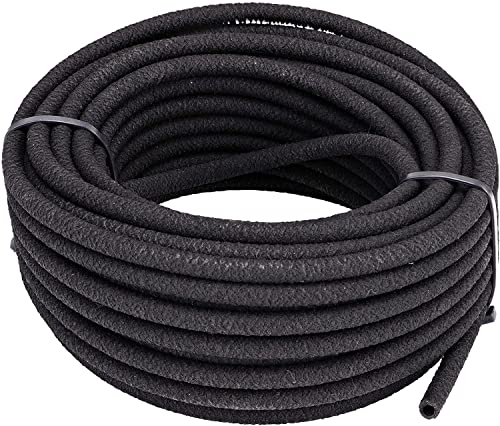
Slowly waters the soil around your plants for complete root zone hydration; Ideal for short runs on flat surfaces, such as vegetable gardens, borders, and around small plants
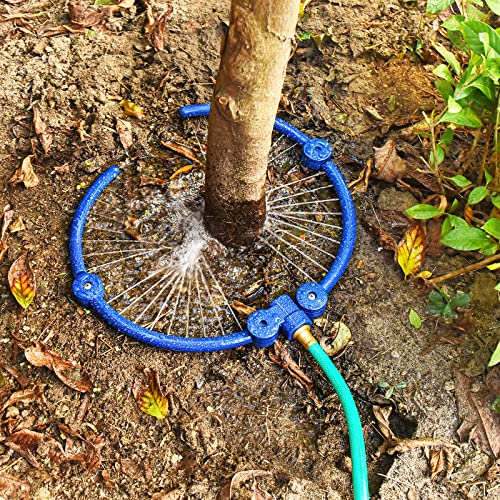
【Specially Designed for Trees and Shrubs】 The Watering Ring is a multi-purpose irrigation ring that attaches to a garden hose to efficiently water young trees shrubs vegetables or flower beds using drip or trickle irrigation.It directs water to the root perimeter of the plant to give them a good start during the first two growing seasons or through periods of drought.
Soil Preparation
Select a well-draining soil mix that supports growth. Aim for loamy soil, which retains moisture but allows excess water to escape. Before planting, enrich the soil with organic matter such as compost. This addition boosts nutrient levels and encourages beneficial microorganisms. Test the soil pH; most fruit trees thrive in a range of 6.0 to 7.0. If needed, amend the soil using lime to raise the pH or sulfur to lower it.
Watering and Maintenance
Water your newly planted tree consistently. During the first growing season, provide about one inch of water weekly. Use a soaker hose or a drip irrigation system to deliver moisture directly to the roots. Once established, many fruit trees require only periodic watering, especially during dry spells. Additionally, apply mulch around the base of the tree to conserve moisture and suppress weeds. Regularly check for necessary pruning; remove dead or unhealthy branches to promote airflow and discourage disease.
Pest Control
Implement preventive measures against pests and diseases. Monitor your trees for common issues like aphids, scale insects, and fungal infections. Apply organic pesticides, such as neem oil or insecticidal soap, as needed to manage infestations. Encourage beneficial insects, like ladybugs and lacewings, which naturally control harmful populations. Regularly inspect leaves and fruit for signs of trouble, addressing any problems early to protect your harvest.
Conclusion
Growing your own fruit tree can be a fun and fulfilling journey. By choosing the right tree and following some simple care tips you can enjoy delicious fruits right from your backyard. Whether you opt for an apple tree or a fig tree you’ll find that with a little patience and attention you can reap the rewards of your efforts.
Don’t forget to consider your specific climate and space needs when making your choice. With the right approach you’ll be well on your way to creating a thriving fruit garden that brings joy and flavor to your life. Happy planting!
Frequently Asked Questions
What are the best fruit trees for beginners?
Growing apple, pear, fig, cherry, and peach trees are great options for beginners. They adapt well to various climates and require minimal maintenance. For faster production, choose varieties like ‘Liberty’ and ‘Brown Turkey,’ which are easier to care for.
How long does it take for fruit trees to produce fruit?
Most fruit trees will yield fruit within 1 to 6 years after planting, depending on the type. Fig trees can produce fruit in as little as 1 to 2 years, while apple and pear trees typically take 3 to 6 years.
What should I consider before planting a fruit tree?
Before planting, consider factors like your local climate, available space, and the specific care requirements of the tree varieties. Semi-dwarf trees are excellent choices for smaller yards, as they fit well in limited spaces.
How do I prepare the soil for my fruit tree?
Use well-draining loamy soil enriched with organic matter for optimal growth. Ensure the soil has proper pH levels, ideally between 6.0 and 7.0, to support healthy development and nutrient absorption.
How often should I water my fruit trees?
During the first growing season, maintain consistent moisture for your fruit trees. Water them deeply once a week or more frequently in hot, dry weather. Using mulch can help conserve soil moisture.
What pests should I watch for when growing fruit trees?
Common pests include aphids, spider mites, and fruit flies. Implement preventive measures and use organic pesticides when necessary. Encouraging beneficial insects, like ladybugs, can also help manage harmful pest populations.
Are there any specific pruning tips for fruit trees?
Prune your fruit trees during their dormant season, usually in late winter. Focus on removing dead or crossed branches, which helps improve airflow and light penetration, leading to a healthier tree and better fruit production.
