

Have you ever wondered why some fruit trees produce bountiful harvests while others struggle? It often comes down to a simple yet crucial factor: the presence of male and female trees. Understanding this can make all the difference in your gardening success.
Imagine planting a beautiful orchard, only to find that your trees aren’t fruiting. You might be missing the right pollination partners. This article will guide you through the essentials of male and female fruit trees, helping you create a thriving garden that yields delicious fruits. By the end, you’ll know exactly what your trees need to flourish and produce.
Key Takeaways
- Male and Female Trees: Understanding the differences between male (pollen-producers) and female (fruit-producers) trees is crucial for successful fruit production.
- Pollination Proximity: For optimal fertilization, male and female trees should be planted within 20 feet of each other, considering factors like weather and local pollinators.
- Monoecious Trees: Some trees are monoecious and can self-pollinate, but planting multiple female trees alongside male trees can significantly enhance fruit yields.
- Cross-Pollination Benefits: Cultivating different varieties, particularly for species like apples and cherries, encourages cross-pollination, improving both quality and quantity of fruit.
- Pollen Availability and Timing: Ensure that the blooming periods of male and female trees align to maximize pollen availability and effective fertilization.
- Genetic Diversity: Planting various cultivars increases genetic diversity, enhancing fruit quality and resilience against pests and diseases.
Understanding Fruit Trees
Fruit trees can be either male, female, or monoecious. Knowing these types helps you ensure healthy growth and fruitful harvests.
Male Trees
- Male trees produce pollen. This pollen is necessary for fertilizing female flowers.
- Examples include pollinator varieties, which provide pollen without producing fruit.
- Planting male trees nearby helps increase the chances of successful pollination.
Female Trees
- Female trees develop fruit. They need pollination from male trees to produce that fruit.
- Common examples include apple, pear, and cherry trees.
- Plant multiple female trees to enhance cross-pollination and boost fruit yield.
Monoecious Trees
- Monoecious trees contain both male and female flowers. They self-pollinate.
- Notable examples include corn and some varieties of pears.
- These trees generally produce fruit without needing another tree.
Pollination Needs
- Ideal pollination occurs within 20 feet. Proximity matters for effective pollen transfer.
- Weather conditions, like temperature and humidity, impact pollination rates. Ideal conditions support higher fruit production.
- Choose Compatible Varieties: Select male and female varieties that bloom simultaneously to maximize pollination.
- Space Trees Properly: Maintain a distance of 15-30 feet between trees for optimal airflow and pollen collection.
- Consider Local Climate: Some fruit trees perform better in specific climates, influencing fruit quality.
Understanding the dynamics of male and female fruit trees directly impacts your garden’s productivity. This knowledge equips you to make informed decisions and cultivate a thriving orchard.
Importance Of Male And Female Trees
Understanding the roles of male and female fruit trees is crucial for successful gardening. This knowledge leads to better fruit production and healthier trees.
Pollination Process
Pollination involves transferring pollen from male trees to female flowers. Male trees release pollen during their bloom period. You need to ensure that male trees are nearby to facilitate this process. The ideal distance is within 20 feet. Factors like wind and insects often assist in this transfer. When pollen reaches a female flower, fertilization occurs, leading to fruit development.
Effects Of Gender On Fruit Production
The gender of fruit trees significantly affects their yield. Female trees require pollen from male trees to produce fruit. Without cross-pollination, fruit quality and quantity may decline. Some fruit trees are monoecious, containing both male and female flowers. These trees can self-pollinate, producing fruit independently. However, encouraging cross-pollination by planting multiple female trees alongside male trees typically enhances fruit output and diversity.
Common Fruit Trees Requiring Both Sexes
Many fruit trees rely on both male and female trees for effective pollination and fruit production. Understanding which trees fall into this category helps you plan your garden better.
Recommended Products

Meets Agricultural Requirements for Shipment to CA and AZ
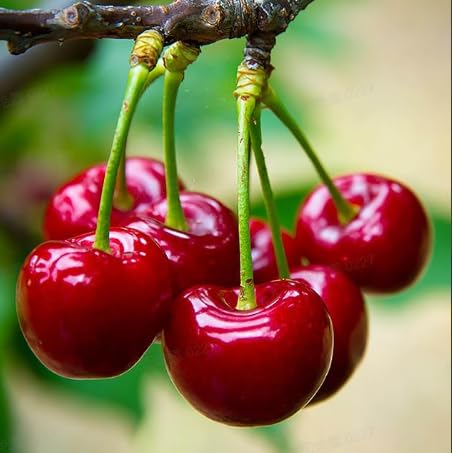
Basic Seed Attributes & Planting Scenarios: 20 Pcs Cherry Tree Seeds, non-GMO heirloom variety, with sweet and tender juicy fruits, suitable for home garden cultivation, and can be planted both indoors and outdoors.

Shipping Restrictions: Due to Agricultural Laws, we Cannot Ship to CA, AZ, AK, or HI - YOUR ORDER WILL BE CANCELED
Apple Trees
Apple trees generally need cross-pollination to produce fruit. While some varieties can self-pollinate, planting at least two different cultivars improves yields. Ideal choices include Honeycrisp and Fuji since their blooming times align. Ensure your apple trees are within 20 feet of each other for optimal pollen transfer.
Cherry Trees
Cherry trees are typically divided into sweet and sour types. Sweet cherries, like Bing or Rainier, require a male pollinator for fruit set. Sour cherries, such as Montmorency, can often self-pollinate, but they benefit from nearby male trees as well. Position your trees within 50 feet of each other to facilitate effective pollination and enhance your fruit harvest.
Challenges In Cultivating Male And Female Trees
Cultivating male and female fruit trees involves specific challenges. You may encounter hurdles related to pollen availability and genetic diversity.
Pollen Availability
Pollen availability impacts fruit production directly. Male trees need to produce ample pollen during the flowering season for successful pollination. Insufficient pollen can lead to poor fruit set. You can improve pollen availability by planting multiple male trees or different cultivars nearby. Ensure the flowering times of your male and female trees align. For example, apple trees often require the simultaneous blooming of nearby varieties to enhance pollen transfer. Check blooming periods when selecting trees to ensure they support each other effectively.
Genetic Diversity
Genetic diversity affects the quality and yield of fruit. Planting diverse cultivars increases the chances of cross-pollination, resulting in better fruit characteristics. When you select trees, consider using different varieties of the same species. For instance, various apple cultivars create a richer genetic pool, which can lead to improved resilience and flavor. Furthermore, maintaining genetic diversity helps protect against pests and diseases. Diversifying your orchard reduces reliance on single cultivars prone to specific threats, enhancing overall productivity.
Conclusion
Understanding the roles of male and female fruit trees is key to a fruitful garden. By ensuring you have the right pollination partners nearby you can significantly boost your harvests.
Planting male trees alongside multiple female trees not only enhances cross-pollination but also improves the quality and quantity of your fruits. Remember to consider spacing and local conditions to create an ideal environment for your trees.
With a little planning and care you’ll be well on your way to enjoying a bountiful harvest that brings joy to your table. Happy gardening!
Frequently Asked Questions
What are the roles of male and female fruit trees?
Male fruit trees produce pollen, which is essential for fertilizing female flowers. Female trees develop fruit and require pollen from male trees to produce it. Understanding these roles helps in planning a successful orchard.
Can monoecious trees pollinate themselves?
Yes, monoecious trees have both male and female flowers, allowing them to self-pollinate. However, they often produce better fruit yields when cross-pollinated with other trees.
How important is pollination for fruit production?
Pollination is critical for fruit production, especially for female trees that rely on pollen from male trees. Effective cross-pollination enhances both the quality and quantity of the fruit.
What is the ideal distance for pollination between trees?
To ensure effective pollination, fruit trees should be planted within 20 feet of each other. This distance allows for better pollen transfer by wind or insects.
Why should I plant multiple female trees?
Planting multiple female trees boosts fruit yield through cross-pollination. The more female trees present, the higher the chances of successful fruit formation with nearby male trees.
Which fruit trees require both male and female plants?
Fruit trees like apple and cherry trees need both male and female trees for effective pollination. Apple trees benefit from having different cultivars planted close together.
What challenges exist in cultivating male and female trees?
Challenges include ensuring adequate pollen availability during blossoming and genetic diversity. Planting multiple male trees or different cultivars helps improve pollen and fruit quality.
How can I enhance genetic diversity in my orchard?
You can enhance genetic diversity by planting a variety of cultivars. This not only improves fruit quality and yield but also increases resilience against pests and diseases.
