

Are you tired of waiting for your pear tree to produce delicious fruit? You’re not alone. Many gardeners struggle with getting their trees to bear fruit, and the secret often lies in proper pruning.
Pruning might seem daunting, but it’s a crucial step to encourage healthy growth and maximize your harvest. In this article, you’ll learn simple techniques to shape your pear tree and promote better fruit production. With just a little effort, you can transform your tree into a fruitful powerhouse that brings joy to your garden and delicious pears to your table.
Key Takeaways
- Proper pruning is essential for promoting healthy growth and maximizing fruit production in pear trees.
- Understanding the different types of pear trees helps tailor pruning techniques for better outcomes.
- Essential tools for pruning include bypass pruners, loppers, hand saws, and safety gear to ensure effective and safe pruning.
- The best time to prune pear trees is late winter or early spring, just before new growth begins, to minimize frost damage.
- Avoid common mistakes like over-pruning and neglecting tree health, as they can lead to reduced yield and poor fruit quality.
- Focus on creating an open structure and encouraging younger fruiting wood for sustainable and bountiful harvests.
Understanding Pear Tree Growth
Pear trees thrive with proper care, particularly through pruning. This process shapes trees and promotes healthy growth, ultimately leading to better fruit production. Understanding pear tree growth fundamentals helps you make informed decisions during pruning.
Importance of Pruning
Pruning serves multiple purposes in pear tree cultivation. It removes dead or diseased branches, allowing the tree to redirect energy towards healthy growth. Pruning also improves air circulation and light penetration, promoting uniform fruit development. Regular pruning encourages new growth, which results in more fruiting wood, enhancing your tree’s yield.
Types of Pear Trees
Different types of pear trees display unique growth habits and fruit characteristics. Here are some common varieties:
- European Pear Trees: Known for sweet, juicy fruits, these trees typically grow taller. European varieties, like ‘Bartlett’ and ‘Bosc,’ require regular pruning to maintain shape and fruit quality.
- Asian Pear Trees: These trees produce crisp, apple-like pears. Asian varieties, such as ‘Hiyashi’ and ‘Shinseiki,’ tend to have a more rounded form and flourish with less aggressive pruning.
- Ornamental Pear Trees: While primarily grown for their beautiful blossoms, these trees can also produce small fruits. Varieties like ‘Bradford’ and ‘Chanticleer’ need minimal pruning to maintain their aesthetic appeal.
Understanding these types helps you tailor your pruning approach, ensuring each tree’s growth patterns align with your desired outcomes.
Tools Required for Pruning
Pruning a pear tree effectively requires specific tools to ensure clean cuts and safe handling. Here’s a breakdown of the essential tools and safety equipment you’ll need.
Recommended Products

Various Bonsai Tools: This bonsai helper set including 3 bonsai pruning scissors, 1 folding scissors, 1 rake, 2 spades and 1 pair of tweezers. The combination of various tools allows you to take better care of plants.

VERSATILE PRUNING AND CUTTING SET: 2-tool combo helps tackle both live green growth and deadwood, making it easy to prune branches, trim plants, and cut through tougher material
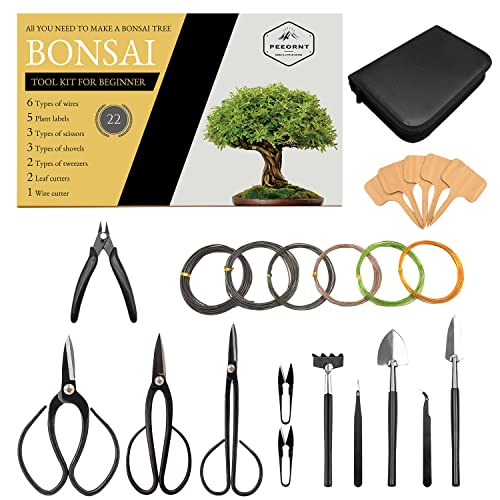
EVERYTHING YOU NEED TO START BONSAI - The bonsai tree kit includes 3 x bonsai scissor, 2 x leaf cutters, 2 x tweezers, 3 x soil shovels/rakes, 6 x bonsai training wires, 1 x wire cutter, 5 x bamboo plant markers. Start your bonsai journey with our bonsai kit.
Essential Pruning Tools
- Bypass Pruners: Use bypass pruners for branches up to ¾ inch in diameter. Their sharp blades create clean cuts that promote healing.
- Loppers: Choose loppers for thicker branches, typically ½ inch to 2 inches in diameter. They provide extra leverage and can reach higher areas.
- Hand Saw: Use a hand saw for branches larger than 2 inches. This tool allows for precise cuts while minimizing damage to the tree.
- Pruning Saw: Select a pruning saw for efficient cutting of larger limbs. It’s designed for thicker branches where other tools may struggle.
- Pole Pruner: Consider a pole pruner for elevated branches. Its long reach helps you maintain safety while pruning without a ladder.
- Gloves: Wear sturdy gardening gloves to protect your hands from cuts and scrapes.
- Safety Glasses: Protect your eyes from falling debris and any branches that may snap back while you prune.
- Hearing Protection: Use hearing protection if you are using power tools like electric saws, especially for extended periods.
- Long Sleeves: Opt for long-sleeved shirts to shield your arms from sharp branches and thorns.
- Sturdy Footwear: Wear closed-toe shoes or boots to ensure stability and protection while working around your garden.
Gathering the right tools and safety gear sets the stage for effective and safe pruning of your pear tree.
How to Prune a Pear Tree for Fruit
Pruning pear trees at the right time and using effective techniques promotes healthy growth and maximizes your fruit yield. Follow these guidelines to ensure your pear trees thrive.
Recommended Products

★ 1. What you get: Professional convenient grafting tool set including a dual-use grafting pruner tool contain 2 extra replaceable blades, a wrench and a screwdriver, along with 36pcs wide rubber bands, 150 thick rubber bands and 1 grafting tape, packed in a black wallet to meet all your needs

PROFESSIONAL GARDENING GRAFTING TOOLS: Including 2 in 1 grafting pruning tools, 3 replaceable blades, a grafting knife, a screwdriver, a wrench, 2 grafting films, 160 rubber bands, 40 wide rubber bands, and 50 colorful tag cards

[Cut & Hold Pole Pruner for Tree Trimming] This long reach cut and hold pruner makes it easy to grip and remove branches, flowers, or fruit without dropping them. Perfect as a pole fruit picker for harvesting lemons, oranges, apples, or persimmons, and for trimming shrubs and bushes without climbing a ladder.
Timing for Pruning
Prune your pear tree during late winter or early spring, just before new growth starts. This timing reduces the risk of frost damage to cuts. For trees in warmer climates, an early spring approach allows you to take advantage of the upcoming growing season. Avoid pruning in late summer or fall, as this can stimulate late growth that’s vulnerable to winter damage.
- Remove Dead or Diseased Wood: Cut away any dead, diseased, or broken branches to maintain tree health. Focus on branches that show signs of disease or decay.
- Promote Air Circulation: Thin out crowded branches to improve airflow. Aim for an open structure, which reduces disease risk and encourages even sunlight distribution.
- Encourage Fruiting Wood Growth: Identify and prune older, less productive branches while encouraging younger growth. Look for healthy, vigorous branches that can produce fruit in the next season.
- Shape the Tree: Maintain a balanced shape by keeping the center open and focused on a central leader branch. This shape aids sunlight penetration and yields more fruit.
- Cut at the Right Angle: Make cuts at a 45-degree angle, just above a bud or lateral branch. This angle fosters quick healing and directs moisture away from the cut.
- Use Clean Cuts: Always use sharp, clean tools to make precise cuts. Dull tools can tear bark and lead to infection. Sterilize your tools before pruning to prevent disease transmission.
By following these methods and paying attention to timing, your pear tree will flourish, leading to bountiful harvests of delicious pears.
Common Mistakes to Avoid
Avoiding common pitfalls in pruning ensures healthier pear trees and better fruit production. Here are two major mistakes to keep in mind:
Over-Pruning
Over-pruning can severely stress your pear tree. This mistake often results in a reduced yield or delayed fruiting. Limit the amount of wood you remove to maintain the tree’s structure and health. Aim to prune no more than 25% of the tree’s canopy in a single year. Focus on removing only dead, damaged, or overcrowded branches. This promotes healthy growth and encourages fruiting wood production without overwhelming the tree.
Neglecting Tree Health
Neglecting your tree’s overall health leads to inadequate fruit production. Always evaluate the tree’s condition before pruning. Look for signs of disease or pest infestations, such as discoloration or unusual growth patterns. Treat these issues promptly to avoid affecting your harvest. Maintaining tree health also involves ensuring optimal growing conditions, like proper watering and fertilization. A healthy tree produces better-quality fruit and withstands pruning stress more effectively.
By avoiding over-pruning and neglecting your tree’s health, you set the stage for a bountiful pear harvest.
Conclusion
With a little time and care your pear tree can flourish and provide you with delicious fruit year after year. By following the pruning techniques outlined here you’ll not only enhance the tree’s health but also maximize your harvest.
Remember that patience is key. It might take a season or two to see the full results of your efforts but the rewards are well worth it. Keep an eye on your tree’s growth and adjust your pruning strategy as needed.
Enjoy the process and look forward to those sweet pears that’ll soon be gracing your table. Happy gardening!
Frequently Asked Questions
What is the best time to prune pear trees?
Pruning pear trees is best done in late winter or early spring before new growth begins. This timing minimizes the risk of frost damage and encourages healthy growth when the tree comes out of dormancy.
How much should I prune my pear tree?
It’s recommended to prune no more than 25% of the canopy in a single year. Over-pruning can stress the tree and reduce its yield, so it’s important to be careful not to remove too much.
What tools do I need for pruning pear trees?
Essential tools for pruning include bypass pruners for small branches, loppers for medium limbs, hand saws, pruning saws for larger branches, and pole pruners for high spots. Make sure to use sharp, clean tools to avoid damaging the tree.
How does pruning affect pear tree growth?
Pruning improves air circulation, removes dead or diseased branches, and encourages the growth of fruiting wood, ultimately leading to a higher yield of delicious pears. Proper pruning techniques can significantly enhance fruit production.
What common mistakes should be avoided when pruning pear trees?
Common mistakes include over-pruning and neglecting the tree’s health. Always assess the tree’s condition before pruning and avoid removing more than 25% of the canopy in a single year to ensure healthy growth and fruit production.
