

Have you ever dreamed of plucking juicy tangerines from your very own backyard? Picture this: a sunny day, a gentle breeze, and the sweet tang of freshly picked fruit. But maybe you’ve hesitated, unsure of where to start or how to care for these citrus gems.
In a world where connecting with nature is more important than ever, cultivating your tangerine tree can be a rewarding journey. Imagine the satisfaction of nurturing a tree from a small sapling to a bountiful producer of delicious tangerines.
Key Takeaways
- Select tangerine tree varieties based on climate suitability, tree size, fruit preferences, flowering times, and disease resistance.
- Plant tangerine trees in locations with sufficient sunlight and well-draining, slightly acidic soil for optimal growth.
- Follow proper planting and watering techniques to establish healthy root systems and regulate moisture levels.
- Maintain tangerine trees through timely fertilization, pruning for shape and health, and vigilance against common pests and diseases.
- Harvest ripe tangerines in winter months, ensuring proper storage conditions for maintaining freshness and flavor.
- Implement organic pest control methods and integrated pest management strategies to protect tangerine trees against diseases and pests effectively.
Selecting the Right Variety of Tangerine Trees
When choosing tangerine trees for your backyard, consider factors that can impact growth and fruit production. Here’s how to select the right variety:
Recommended Products

Produces sweet tangerines with citrus flavor and vibrant color; no ship to CA

For sale is one Murcott Honey Tangerine seedling that is approximately 2 to 5 inches tall and shipped in a pot

For sale is one Murcott Honey Tangerine tree that is approximately 2-5 inches tall and shipped in a pot
Understand Your Climate
Assess your local climate to determine which tangerine tree varieties thrive in your area. Different types of tangerines have specific temperature and humidity requirements. For instance, if you live in a warm, tropical climate, varieties like ‘Dancy’ or ‘Fallglo’ tangerines would be suitable. In cooler regions, varieties such as ‘Clementine’ or ‘Orlando’ may be better options.
Consider Tree Size
Think about the space you have available for the tangerine tree. Some varieties grow larger and require more room to spread out, while others are more compact. Varieties like ‘Pixie’ or ‘Sunburst’ stay small and are great for container planting or small gardens. Larger varieties like ‘Afourer’ or ‘Kincy’ need more space to accommodate their growth.
Fruit Preferences
Consider the taste and appearance of the tangerines the tree will produce. Some varieties, like ‘Honey’ or ‘Minneola,’ have a sweeter flavor profile, while ‘Satsuma’ tangerines are easy to peel and seedless. If you prefer seedless fruit, opt for varieties like ‘Algerian’ or ‘Nova.’
Flowering and Harvest Times
Be aware of when the tree blooms and when the fruit ripens. Varieties like ‘Encore’ bloom in late winter to early spring, with fruit ready for harvest in late fall. ‘Murcott’ tangerines, on the other hand, bloom in the spring and are ready for picking in late winter. Choose a variety that aligns with your desired harvest times.
Disease Resistance
Select tangerine tree varieties that are known for their resistance to common citrus diseases such as citrus canker or greening. Varieties like ‘Page’ or ‘Robinson’ exhibit good resistance to diseases, reducing the need for chemical interventions to maintain tree health.
Planting Location and Soil Preparation
When selecting the ideal location for planting your tangerine trees, ensure they get plenty of sunlight. Tangerines thrive in full sun, so choose a spot in your yard that receives at least 6 to 8 hours of sunlight daily. This will help your trees grow healthy and produce abundant fruit.
Next, consider the soil. Tangerine trees prefer well-draining soil that is slightly acidic. Before planting, it’s a good idea to test your soil’s pH level. You can do this using a simple soil testing kit available at gardening stores. Aim for a pH level of around 6.0 to 7.0 for optimal tangerine tree growth.
If your soil pH is too high, you can lower it by adding organic matter such as compost or peat moss. Mix these amendments into the soil before planting to improve drainage and nutrient uptake. On the other hand, if your soil is too acidic, you can raise the pH by adding lime following the package instructions.
Remember to ensure good air circulation around the trees to prevent diseases. Proper spacing between trees is essential for airflow and sunlight penetration. Give your tangerine trees enough room to grow without crowding each other.
Additionally, consider the microclimate of your yard. Look for areas that are sheltered from strong winds, as tangerine trees can be vulnerable to wind damage. Planting near a wall or building can provide protection from harsh winds and create a warm microclimate for your trees.
By carefully selecting the planting location and preparing the soil, you give your tangerine trees the best start for healthy growth and bountiful harvests. Make sure to check the specific requirements of the tangerine tree variety you choose to ensure optimal conditions for successful growth.
Planting and Watering Instructions
Now that you’ve selected the perfect tangerine tree variety and prepared your planting site, it’s time to ensure proper planting and watering techniques to foster healthy growth and abundant fruit production.
Recommended Products

COMPLETE 3-IN-1 CITRUS NUTRITION KIT - Everything Your Trees Need Professional-grade fertilizer system includes slow-release NPK granules (6-month supply), liquid micronutrient concentrate (makes 32oz), and calcium supplement (makes 32oz). Specially formulated for lemon, orange, lime, grapefruit, and all citrus varieties in containers and pots.
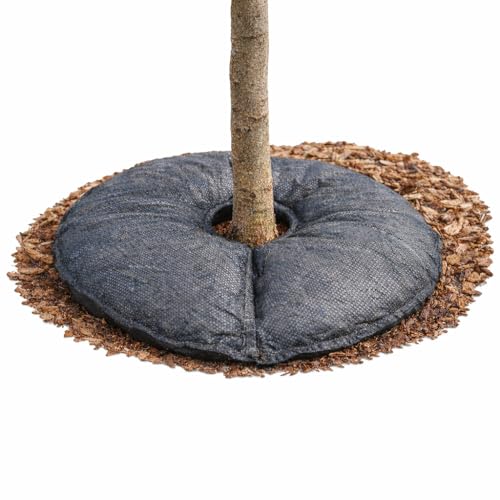
For Plants and Trees that with root balls about 12” in dia., (11-15”, e.g. 3-10 Gallon Container Sizes have top diameters between 11-15”) - Uses 99% LESS WATER than traditional tree bag over the course of multiple seasons for better establishment of the newly planted trees and shrubs! When the plant root ball is larger than 15”, the 36”, 48”, or multiple units of these larger sized SteadySpring Tree Mats are recommended to cover an area double of the root ball size or at least 20” larger than the root ball.

Complete 3-in-1 nutrition – includes slow-release granular fertilizer, liquid micronutrient spray, and liquid calcium feed for all-in-one citrus tree care
Planting Steps:
- Digging the Hole:
Plant your tangerine tree in a hole that is twice as wide and just as deep as the root ball. Avoid digging too deep, as this can lead to drainage issues. - Positioning the Tree:
Place the tree in the center of the hole and ensure it stands straight. The graft union should be above the soil level to prevent rootstock issues. - Backfilling:
Fill the hole halfway with soil, gently tamp it down to remove air pockets, then water thoroughly before adding the remaining soil. - Mulching:
Apply a 2-4 inch layer of mulch around the base of the tree, leaving some space near the trunk. Mulch helps retain moisture and regulate soil temperature.
- Initial Watering:
After planting, give your tangerine tree a good soak to help establish its root system. Water deeply but infrequently to encourage deep root growth. - Regular Watering:
Tangerine trees prefer moist but well-drained soil. Water deeply once a week, adjusting based on weather conditions. Stick your finger into the soil to check moisture levels. - Avoid Overwatering:
Overwatering can lead to root rot, so ensure proper drainage and let the soil dry slightly between watering sessions. - Seasonal Adjustments:
Increase watering during hot, dry spells, and reduce watering in winter when the tree is dormant. Adjust based on the tree’s specific needs.
By following these planting and watering instructions diligently, you’ll provide your tangerine tree with the optimal environment for growth, ensuring a bountiful harvest of juicy, flavorful tangerines in the future.
Fertilization and Pruning Guidelines
When it comes to ensuring the healthy growth of your tangerine trees, proper fertilization and pruning play crucial roles. Here’s how you can effectively nourish and maintain your tangerine trees for optimal fruit production:
Fertilization Tips
- Soil Testing: Begin by conducting a soil test to determine the pH level and nutrient content of your soil. This will help you understand what specific fertilizers your tangerine trees might need.
- Timing: It’s best to fertilize your tangerine trees in late winter to early spring before the trees start actively growing to provide them with the necessary nutrients for the upcoming growing season.
- Fertilizer Selection: Choose a balanced fertilizer specifically formulated for citrus trees and follow the manufacturer’s instructions for application rates. Look for fertilizers with a 2:1:1 or 3:1:1 ratio of nitrogen, phosphorus, and potassium.
- Application: Spread the fertilizer evenly around the drip line of the tree (where the canopy reaches) to ensure the roots receive adequate nutrients. Avoid applying fertilizer near the trunk to prevent root burn.
- Purpose: Pruning helps maintain the shape of the tree, promotes air circulation, and removes dead or diseased branches. It also encourages new growth and enhances fruit production.
- Timing: The best time to prune tangerine trees is in late winter or early spring before new growth emerges. Avoid pruning in late fall, as it may stimulate new growth susceptible to frost damage.
- Tools: Use sharp, clean pruning shears to make precise cuts and prevent damage to the tree. Disinfect your tools between cuts, especially if you’re removing diseased branches.
- Techniques: Trim back any crossing or crowded branches, dead wood, or water sprouts. Maintain an open canopy to allow sunlight penetration and airflow throughout the tree.
Dealing with Common Pests and Diseases
Protecting your tangerine trees from pests and diseases is crucial to ensure healthy growth and bountiful harvests. Here are essential tips to help you identify, prevent, and manage common issues that may affect your tangerine trees:
Recommended Products
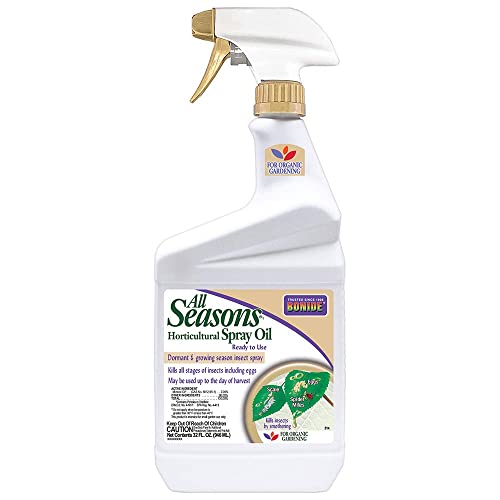
Control insects and diseases in your home garden with All Seasons Horticultural and Dormant Spray Oil Concentrate; use year-round to control listed insects and diseases

INSECT KILLER - This pest control is great for use on aphids, leaf miners, thrips, leafhoppers, spider mites, scales, whiteflies, mealy bugs and many more. It gives poor control for caterpillar & worms. However, it does control eggs of all insects.
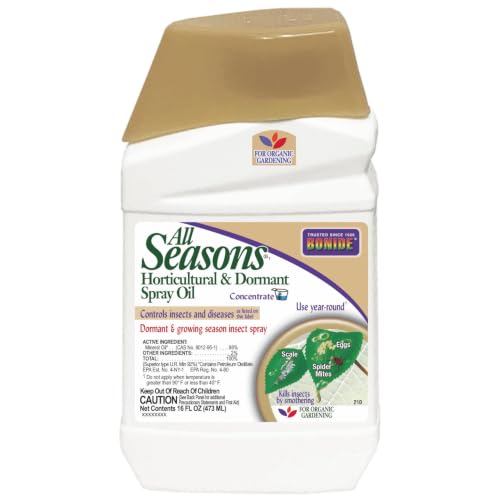
Control insects & diseases in your home garden with All Seasons Horticultural & Dormant Spray Oil Concentrate; use year-round to control listed insects and diseases
Identifying Pests:
Inspect your tangerine trees regularly for signs of pests such as scale insects, spider mites, aphids, and citrus leaf miners.
Prevention Measures:
1. Maintain Cleanliness: Keep the area around your trees free of fallen leaves or debris that could harbor pests.
2. Prune Wisely: Remove dead or infested branches to prevent the spread of pests.
3. Use Beneficial Insects: Introduce natural predators like ladybugs or lacewings to control pest populations.
4. Apply Horticultural Oil: Use horticultural oil during the dormant season to suffocate overwintering pests.
Managing Diseases:
Be vigilant for diseases like citrus canker, root rot, and citrus greening that can impact your tangerine trees’ health.
Disease Control Strategies:
1. Proper Watering: Avoid overwatering to prevent root rot.
2. Air Circulation: Ensure good air circulation around the trees to reduce humidity levels that promote disease.
3. Regular Inspections: Check your trees regularly for symptoms of diseases and take necessary action promptly.
4. Healthy Soil: Maintain well-draining soil and consider soil amendments to improve overall tree health.
Organic Pest Control:
Consider using organic methods to tackle pests and diseases while minimizing the use of chemical pesticides.
Integrated Pest Management (IPM):
IPM involves using a combination of cultural, biological, physical, and chemical controls to manage pests effectively.
By staying proactive and implementing these strategies, you can safeguard your tangerine trees against common pests and diseases, ensuring they thrive and produce delicious fruits for years to come.
Harvesting and Storing Tangerines
So, you’ve successfully nurtured your tangerine tree, and now it’s time to enjoy the fruits of your labor. Harvesting and storing tangerines require careful attention to ensure you get the best flavor and freshness. Here’s what you need to know:
Harvesting Tangerines
When it comes to picking tangerines, it’s crucial to wait until they are fully ripe. How can you tell when they’re ready? Well, tangerines usually change color, becoming vibrant orange or red, depending on the variety. Additionally, they should feel firm yet slightly springy to the touch. Once ripe, simply grasp the fruit gently and twist it to detach it from the tree.
When to Harvest:
- Harvest tangerines in the winter months when they are at their peak sweetness.
- Aim to pick them during dry weather to prevent moisture-related issues.
How to Harvest:
- Gently twist the fruit until it breaks away from the stem.
- Use pruning shears if needed to avoid damaging the tree.
Storing Tangerines
To maintain the freshness and flavor of your tangerines, proper storage is essential. Follow these tips to ensure your tangerines stay juicy and delicious:
Storage Conditions:
- Store tangerines at room temperature if you plan to consume them within a week.
- For longer storage, place them in the refrigerator to extend their shelf life.
Preparation for Storage:
- Wash and dry the tangerines thoroughly before storing to remove any dirt or residue.
- Separate damaged or bruised tangerines to prevent spoilage of other fruits.
- Use perforated plastic bags or mesh bags to allow air circulation.
- Alternatively, store them in a fruit bowl or on a countertop away from direct sunlight.
Conclusion
You’ve now learned the essential steps to successfully grow tangerine trees. By selecting the right variety, planting in the ideal location, and providing proper care through watering, fertilizing, and pruning, you can ensure a bountiful harvest. Remember to keep an eye out for pests and diseases, implementing preventive measures to protect your trees. When it comes to harvesting, patience is key – wait for full ripeness and store your tangerines correctly to preserve their delicious flavor. With these tips in mind, you’re well-equipped to enjoy the fruits of your labor and savor the sweetness of homegrown tangerines. Happy growing!
Frequently Asked Questions
What factors should be considered when selecting tangerine tree varieties?
When selecting tangerine tree varieties, consider factors like climate suitability, tree size, fruit flavor, and seedlessness.
Why is planting location and soil preparation important for tangerine trees?
Planting tangerine trees in a sunny location with well-draining soil promotes healthy growth, fruit production, and disease resistance.
What are the planting and watering instructions for tangerine trees?
Plant tangerine trees at the appropriate depth, mulch to retain moisture, and water deeply but infrequently, allowing the soil to partially dry between waterings.
How should fertilization be done for tangerine trees?
Conduct a soil test to determine nutrient deficiencies, fertilize at the right time with a balanced formula, and apply fertilizer evenly around the tree’s drip line.
Why is pruning essential for tangerine trees?
Pruning tangerine trees helps maintain tree shape, improve air circulation, enhance fruit production, and remove dead or diseased branches.
How can common pests and diseases affecting tangerine trees be managed?
Prevent pests and diseases by practicing cleanliness, using beneficial insects, applying horticultural oil, implementing disease control strategies, and employing organic pest control methods.
What are the tips for harvesting and storing tangerines?
Harvest tangerines when fully ripe, preferably during winter months for peak sweetness, and store them in a cool, ventilated area with proper washing and separating damaged fruits for extended freshness and flavor.
