

Have you ever wondered if male persimmon trees can produce fruit? If you’re considering planting persimmons in your garden, you might be surprised to learn that not all trees are created equal. While female persimmon trees are the ones that bear the delicious, sweet fruit, male trees play a crucial role in the process.
Understanding the difference between male and female persimmon trees can help you make informed choices for your landscape. This article will clarify what you need to know about these trees, including their roles in fruit production and how to ensure a fruitful harvest. By the end, you’ll have a clearer picture of how to cultivate your persimmon trees successfully.
Key Takeaways
- Male persimmon trees do not produce fruit; they primarily serve as pollen providers for female trees to facilitate fruit production.
- Understanding the difference between male and female persimmon trees is essential for successful planting and harvesting in your garden.
- To achieve optimal fruit yield, plant at least one male tree for every three female trees, ensuring effective cross-pollination.
- Male trees produce small, inconspicuous yellow-green flowers, while female trees showcase larger flowers that lead to fruit formation.
- Timing is crucial; male trees bloom before or simultaneously with female trees to ensure sufficient pollen availability for fertilization.
- Weather conditions can affect pollination rates; monitoring these factors can enhance the chances for a fruitful harvest of persimmons.
Understanding Male Persimmon Trees
Male persimmon trees play a crucial role in the reproduction of persimmon plants, though they don’t bear fruit. Understanding their function helps you appreciate their value in your garden.
Recommended Products

Persimmon tree adds edible fruit, seasonal foliage, and natural beauty to home gardens and outdoor landscapes
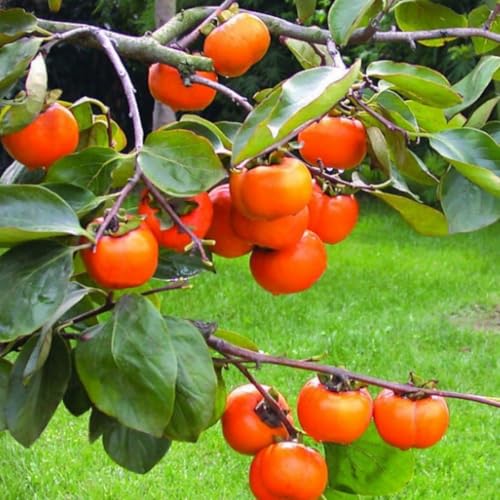
Persimmon Tree Live Plant, 1 Year Old, 6 to 15 Inches Tall, No Leaf, Dormant Sweet Persimmon Trees Fruit for Outdoor Planting

For sale are 2 American Persimmon trees that are approximately 6-15" tall and shipped bareroot
Overview of Persimmon Trees
Persimmon trees belong to the genus Diospyros and are divided into male and female types. Male trees produce pollen necessary for fertilizing female flowers. Few varieties, such as the American persimmon (Diospyros virginiana) and the Japanese persimmon (Diospyros kaki), exist. When you plant both male and female trees together, pollination becomes possible, resulting in fruit on the female trees.
Differences Between Male and Female Trees
Male and female persimmon trees differ significantly in productivity. Male trees produce small, inconspicuous flowers in clusters and only serve for pollination. In contrast, female trees produce larger flowers, leading to the formation of fruit once they receive adequate pollen.
| Tree Type | Flower Type | Fruit Production |
|---|---|---|
| Male | Small, clustered flowers | None |
| Female | Larger, solitary flowers | Yes |
Planting at least one male tree alongside female trees increases your chance of a fruitful harvest. Ensure the male tree is mature enough to provide sufficient pollen for pollination. These partnerships significantly increase your chances of enjoying that sweet, edible fruit.
Do Male Persimmon Trees Bear Fruit?
Male persimmon trees do not bear fruit. Their primary function centers on providing pollen necessary for the fertilization of female flowers.
Recommended Products

Refresh and Purify Strong Smell: Hoveimpee persimmon soap infused rich persimmon extract (mainly tannin) which help eliminate smelly odor, effectively control body odor especially when you are sweating.

This shirt is ideal for Persimmon lovers, Persimmon enthusiasts, and Persimmon Christmas fans who loves ugly style shirt.

ODOR BLOCK BODY WASH: Our Persimmon deodorizing body wash soap bar has skin-friendly ingredients that leave the skin soft, silky, and eliminates all kinds of body odors. Keeps your skin squeaky clean and freshly hydrated all day long
Pollination Requirements
Persimmon trees rely on cross-pollination for optimal fruit production. Female trees need pollen from male trees to set fruits. Ideally, you should plant one male tree for every three female trees. This ratio increases the chances of successful pollination and enhances fruit yields. Weather conditions and pollinator activity, such as bees, also significantly affect pollination rates.
Role of Male Trees in Fruit Production
Male persimmon trees produce small, yellow-green flowers. While these flowers may be inconspicuous, they play an essential part in the life cycle of persimmons. When male trees bloom at the same time as females, they supply the pollen needed for fertilization. Without male trees, female flowers may bloom without producing fruit. In your garden, ensuring you have at least one male tree will boost the productivity of your female persimmons, allowing them to produce sweet fruit.
Characteristics of Male Persimmon Trees
Male persimmon trees display unique traits that distinguish them from their female counterparts. Understanding these characteristics helps you appreciate their role in fruit production.
Recommended Products

PRODUCT IMAGE DISCLAIMER: The main image is for reference only. The plant you receive may not look exactly the same as shown in the first image

LIVE AMERICAN PERSIMMON TREES: Includes American Persimmon live trees potted in quart pot, measuring 6-12 inches tall. Trees may arrive as a dormant plant (without leaves) depending on the season, ready for planting.
🌳 PERSIMMON TREE SEEDS FOR HOME GARDENS: Persimmon tree seeds are ideal for backyard gardens, raised beds, or seed-starting before transplanting outdoors in suitable climates.
Growth Patterns
Male persimmon trees generally grow to heights of 30 to 40 feet. They have a sturdy trunk and a broad canopy, which can spread significantly. You may notice a more upright growth habit compared to female trees. Branches extend out more evenly, allowing sunlight to penetrate the foliage. Male trees grow faster than females early in their life cycle, reaching maturity within 15 to 25 years.
Seasonal Behavior
During spring, male persimmon trees produce small, yellow-green flowers. These flowers thrive in clusters and bloom just before female flowers appear. The flowers remain relatively inconspicuous and rarely attract attention. Though they don’t produce fruit, they play a vital role by providing pollen. Pollination occurs primarily in the late spring and early summer. Monitoring weather conditions during this period can be beneficial, as temperatures and rain influence flower viability and pollen transfer.
Conclusion
While male persimmon trees don’t bear fruit themselves they play a vital role in your garden’s success. By planting a male tree alongside female trees you’re ensuring those sweet persimmons have a chance to thrive. Remember that cross-pollination is key to maximizing your harvest.
With the right balance of male and female trees and some attention to their needs you can enjoy a bountiful crop of delicious persimmons. So go ahead and embrace the beauty of these trees knowing that each one contributes to the overall health and productivity of your garden. Happy gardening!
Frequently Asked Questions
What is the difference between male and female persimmon trees?
Male persimmon trees produce small, inconspicuous yellow-green flowers and do not bear fruit. In contrast, female trees feature larger flowers that develop into sweet fruit when pollinated. Both genders are essential for fruit production.
Why are male persimmon trees important?
Male persimmon trees provide the necessary pollen that fertilizes the flowers of female trees. This cross-pollination is crucial for fruit formation, increasing the chances of a successful harvest.
How many male persimmon trees should I plant?
For optimal fruit production, it is recommended to plant one male tree for every three female trees. This ratio enhances pollination rates and fruit yields.
Do weather conditions affect pollination in persimmons?
Yes, weather conditions and pollinator activity, such as that of bees, significantly affect pollination rates. Ideal conditions improve the chances of successful fertilization and fruit set.
How tall do male persimmon trees grow?
Male persimmon trees typically grow to heights of 30 to 40 feet. They have a sturdy trunk and broad canopy, growing faster than female trees early in their life cycle.
When do male persimmon trees bloom?
Male persimmon trees bloom in the spring, producing small yellow-green flowers that appear before female flowers. This timing is vital for providing pollen during the late spring and early summer.
