

Have you ever found yourself overwhelmed by the mess of fallen crab apples in your yard? You’re not alone. Many homeowners love the beauty of crab apple trees but dread the cleanup that comes with the fruit they produce.
If you’re looking for ways to enjoy your tree without the hassle of fruit, you’re in the right place. This article will share practical tips to help you keep your crab apple trees from producing fruit, allowing you to maintain a tidy outdoor space while still enjoying the tree’s charm. Let’s explore some simple strategies that can make a big difference.
Key Takeaways
- Understanding Crab Apple Trees: Recognize the characteristics of crab apple trees, including their height, seasonal blooms, and fruit production, to manage them effectively.
- Benefits of Preventing Fruit Production: Limiting fruit production enhances the aesthetic appeal of your yard and reduces maintenance tasks like cleanup and pest control.
- Effective Techniques for Control: Utilize regular pruning and chemical treatments to manage fruit-bearing branches and reduce or eliminate crab apple fruit production.
- Best Practices for Tree Health: Maintain healthy soil and proper watering techniques while monitoring for pests and diseases to ensure robust growth and minimize fruit set.
- Care Timing: Perform pruning in late winter or early spring, and apply growth regulators in early spring for optimal results in controlling fruit production.
Understanding Crab Apple Trees
Crab apple trees offer unique beauty and an array of benefits. Understanding their characteristics and the effects of fruit production helps you manage their maintenance better.
Characteristics of Crab Apple Trees
Crab apple trees grow between 15 to 25 feet tall. They exhibit a variety of colors, with both blossoms and leaves ranging from white to deep pink. The trees bloom in early spring, attracting bees and other pollinators. During fall, the trees produce small tart fruits, typically 1 to 2 inches in diameter. These fruits come in shades of yellow, red, and orange, adding seasonal interest. Crab apple trees also thrive in a range of soil types, preferring well-drained, slightly acidic soils.
Impact of Fruit Production
Fruit production can create several challenges for homeowners. When crab apple trees produce fruit, they often drop it in large quantities, leading to messy yards. This fallen fruit can attract unwanted pests, like wasps and rodents, which can create further maintenance issues. Additionally, the decomposition of the fruit can cause unpleasant odors and foster fungal diseases. If you’re looking for a manicured outdoor space, managing fruit production becomes essential. Eliminating the fruit allows you to enjoy the tree’s aesthetic without worrying over cleanliness or pest control.
Reasons to Prevent Fruit Production
Preventing crab apple trees from producing fruit offers several benefits, including improved aesthetics and reduced maintenance efforts. Understanding these reasons helps you make informed decisions about your tree care practices.
Recommended Products

Control diseases and insects in your garden with Captain Jack’s Fruit Tree Spray Concentrate! Use on a variety of listed fruits, nuts and citrus plants.

Control diseases and insects in your garden with Captain Jack’s Fruit Tree Spray Concentrate! Use on a variety of listed fruits, nuts and citrus plants.
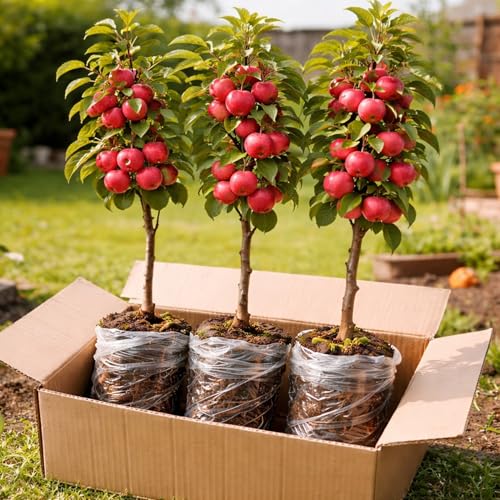
🍎 3 Live Crabapple Tree Saplings: Receive three healthy young apple tree saplings ready to plant and grow in your garden, backyard orchard, or container. Plants ship dormant (not leaves or fruit) in spring.
Aesthetic Considerations
Crab apple trees showcase beautiful blooms in spring, but their fruit can detract from this beauty. When fruit falls, it creates an unsightly mess that can tarnish your yard’s appearance. By limiting fruit production, you maintain a clean and visually pleasing landscape throughout the seasons. You’ll showcase the tree’s vibrant blossoms against a tidy backdrop.
Maintenance and Cleanup
Managing fruit production significantly eases cleanup efforts. Fallen crab apples can accumulate on the ground, leading to additional yard work, such as raking and composting. Left unchecked, the rot from overripe fruit can invite pests like bees or wasps. By preventing fruit from forming, you minimize these maintenance tasks, allowing you more time to enjoy your outdoor space. Consider regular pruning to reduce fruit-bearing branches or applying specific growth regulators to curtail fruit production effectively.
Techniques to Keep Crab Apple Trees From Producing Fruit
Managing fruit production on crab apple trees involves effective techniques that homeowners can easily apply. Here are two primary methods to consider.
Recommended Products

KILLS LISTED FRUIT & CITRUS TREE INSECTS: Controls Asian Citrus Psyllid, Whiteflies, Aphids Thrips, Citrus Leafminers, Leafhoppers, Blackfly, Mealybugs, Scales, Avocado Lacebugs, Oriental Beetles, Flea Beetles, Sharpshooters, and Spittlebugs

Due to agricultural laws, we CANNOT SHIP TO CA, AZ, AK, or HI - orders will be refunded if you ship to one of these states

One rooted starter plant from fruiting shrub, dormant in winter (no leaves). Zones 4-9
Pruning Methods
Pruning is essential for controlling fruit production. Begin by removing branches that show signs of fruit-bearing. Focus on:
- Timing: Prune in late winter or early spring before new growth appears. This timing reduces stress on the tree.
- Tools: Use sharp pruning shears for clean cuts. Consider loppers for thicker branches.
- Technique: Cut back any branches that are over 6 inches long. Aim to maintain an open canopy for better sunlight and air circulation.
Regular pruning promotes healthier growth and limits fruit set. If you notice any fruit bud clusters during the summer, remove them promptly to discourage fruit production.
Chemical Treatments
Chemical treatments can further assist in fruit control. A growth regulator can be highly effective. Follow these steps:
- Choose the Right Product: Look for a chemical specifically designed for crab apple trees. Product names might include ethephon or hormone-based treatments.
- Application Timing: Apply chemicals in early spring when blooms start to appear. This timing maximizes effectiveness against fruit set.
- Follow Instructions: Use according to the manufacturer’s label. Adhere to recommended dosages for safety and optimal results.
These chemical treatments, when combined with proper pruning, can significantly reduce or eliminate crab apple fruit production, leading to a more manageable landscape.
Best Practices for Tree Care
Proper tree care helps maintain the beauty of crab apple trees while reducing fruit production. Focus on these essential practices.
Recommended Products
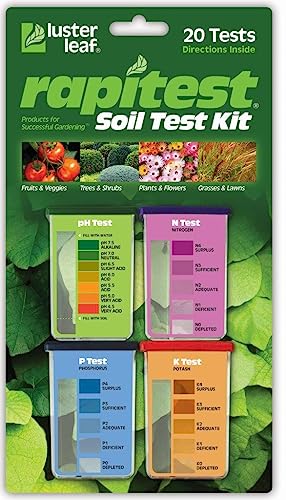
Quick, at home results for Soil pH, Nitrogen, Phosphorous and Potash Innovative and inexpensive soil test kit features an easy-to-use capsule system and patented color comparators

Kindly NOTE: This soil tester can not be applied to test pH value of any other liquid. If the soil is too dry the indicator will not move, and water it before testing.

Accurate Soil pH Testing: Dewildetradingco Soil pH Test Strips offer measurements of soil pH levels (pH 3.5-9). As an essential tool for every gardener and grower, these test strips help determine the optimal pH for various plants, such as outdoor plants, indoor plants, gardens, grass lawns, fruit trees, flowers, vegetables, and forest shrubs.
Soil and Water Management
Healthy soil and consistent watering support tree health.
- Test Soil: Check soil pH, aiming for a range of 6.0 to 7.0. Amend as needed with lime to raise pH or sulfur to lower it.
- Well-Drained Soil: Ensure soil drains well to prevent root rot. Add organic matter like compost to improve drainage and nutrient content.
- Watering Techniques: Water deeply and infrequently rather than frequent shallow watering. Aim for one inch of water per week to promote strong roots.
Pest and Disease Control
Keeping pests and diseases at bay aids in reducing stress on the crab apple trees, promoting better growth.
- Monitor Regularly: Inspect for common pests like aphids and scale insects. Early detection simplifies treatment.
- Natural Predators: Encourage beneficial insects like ladybugs and lacewings to control pests naturally.
- Organic Treatments: Use insecticidal soap or neem oil to manage pest populations safely. Apply during early morning or late evening for better effectiveness.
- Disease Resistance: Choose resistant crab apple varieties when planting. Prune dead or infected branches promptly to avoid spreading diseases.
By following these best practices for soil management and pest control, you can maintain a healthy crab apple tree while minimizing fruit production.
Conclusion
Taking steps to keep your crab apple trees from producing fruit can make a big difference in your yard. By implementing regular pruning and using growth regulators you can enjoy the beauty of these trees without the hassle of fallen fruit.
Remember to focus on proper tree care including soil management and pest control to support healthy growth. With a little effort you can maintain a tidy landscape and fully appreciate the stunning blooms each spring. Enjoy your crab apple trees without the mess!
Frequently Asked Questions
What are crab apple trees known for?
Crab apple trees are valued for their beautiful spring blooms, which attract pollinators. They typically grow between 15 to 25 feet tall and produce small tart fruits in the fall, adding visual interest.
Why should homeowners prevent fruit production on crab apple trees?
Preventing fruit production helps maintain a tidy outdoor space by reducing fallen fruit, which can create a messy yard and attract pests. This allows homeowners to enjoy the tree’s beauty without the hassle of excessive cleanup.
What methods can I use to limit fruit production on crab apple trees?
Effective methods include regular pruning to remove fruit-bearing branches and applying growth regulators in early spring. These strategies can significantly reduce or eliminate the production of fruit, simplifying landscape maintenance.
How does soil and water management affect crab apple trees?
Proper soil and water management is crucial for healthy growth, which can minimize fruit production. Testing soil pH, ensuring well-drained soil, and implementing deep watering techniques contribute to the tree’s overall health and fruiting habits.
What pest and disease control practices should I follow for crab apple trees?
Regular monitoring for pests, encouraging natural predators, and using organic treatments are essential practices. Keeping the tree healthy can prevent issues that might lead to increased fruit production and maintenance challenges.
