

Have you ever wondered why some fruit trees thrive while others struggle? Choosing the right spot for your tree can make all the difference in its growth and fruit production. It’s not just about digging a hole; it’s about finding the perfect balance of sunlight, soil, and space.
Key Takeaways
- Understanding Requirements: Each fruit tree has specific needs regarding soil type, moisture, and sunlight for optimal growth and fruit production.
- Soil Quality: Prefer loamy or sandy soils with a pH between 6.0 and 7.0; amend soils as necessary to ensure good drainage and nutrient retention.
- Sunlight Exposure: Most fruit trees thrive in full sun, requiring six to eight hours of direct sunlight daily; avoid planting near structures or tall trees that block light.
- Climatic Considerations: Select fruit trees suited to your climate zone, and be mindful of frost dates to prevent damage to young trees.
- Proper Planting Techniques: Plant at the correct depth, ensure adequate watering after planting, and create a well-prepared site for tree establishment.
- Ongoing Maintenance: Use mulching to retain soil moisture and prune regularly for healthy growth and increased air circulation, fostering better fruit production.
Understanding Fruit Tree Requirements
When planting fruit trees, understanding their requirements is crucial for successful growth. This includes soil type and quality, as well as sunlight needs. Each factor plays a significant role in determining the health and productivity of your trees.
Soil Type and Quality
Choose the right soil for your fruit trees. Most trees thrive in loamy or sandy soils that offer good drainage. Test your soil’s pH; fruit trees generally prefer a pH between 6.0 and 7.0. If your soil is too acidic or alkaline, consider amending it with lime or sulfur to improve its suitability.
Examples of soil types:
- Clay Soil: Retains water but can lead to root rot. Improve drainage with compost.
- Sandy Soil: Drains quickly but may not hold nutrients. Add organic matter for better retention.
- Loamy Soil: Ideal for most fruit trees. Balance of clay, sand, and silt.
Regularly check soil moisture. Ensure it stays consistently damp but not waterlogged, especially during dry spells. Mulching around the base can help retain moisture while also suppressing weeds.
Sunlight Needs
Sunlight is essential for fruit tree growth. Most fruit trees need full sun, meaning six to eight hours of direct sunlight daily. Select a planting location that receives ample sunlight throughout the day.
Consider these factors:
- Tree Species: Apple, peach, and cherry trees require full sun; some varieties may tolerate partial shade.
- Shade from Structures: Avoid planting too close to buildings or tall trees that may obstruct sunlight.
- Seasonal Changes: As seasons shift, watch for changing sunlight patterns. Ensure your selected location remains sunny throughout the year.
Assess both soil quality and sunlight exposure when determining where to plant your fruit trees. These elements are key to fostering strong, productive trees for your garden.
Choosing the Right Location
Selecting the right location for a fruit tree involves several important factors. Assessing the environment ensures your tree thrives and produces quality fruit.
Recommended Products

4 kinds of the most popular fruits, individually packaged, 50pcs Lemon seeds 50pcs Cherry seeds 50pcs Orange seeds 50pcs Apple seeds Fresh seeds, all fruit seeds are packed in tear and moisture resistant zipper sealed bags for your long term storage.
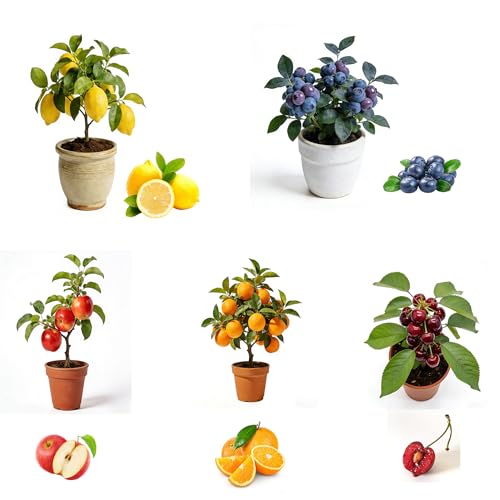
Complete Fruit Garden Collection: This comprehensive seed set provides everything needed to start a diverse container fruit garden.With 160 total seeds, this collection offers exceptional value for gardeners seeking to grow multiple fruit varieties in containers on patios, balconies, or small spaces

Versatile Fruit Use: The plums produced can be eaten fresh as a snack and are well-suited for home kitchen projects like creating preserves, jams, and baked goods.
Considerations for Climate
Understand that climate significantly affects fruit tree growth. Fruit trees perform best in regions that match their needs. Most trees prefer temperate climates, but many tropical and subtropical varieties exist. For example, apple trees flourish in cooler areas, while citrus trees thrive in warmer climates. Check the hardiness zone for your area to ensure compatibility. Moreover, be aware of frost dates; planting too early may expose young trees to frost damage.
Proximity to Other Plants
Consider the spacing between your fruit trees and other plants. Adequate spacing promotes air circulation, reducing the risk of disease. For instance, apple trees typically require 10 to 20 feet from each other, depending on the variety. Be cautious of larger plants and trees that could create shade. Ensure ongoing sunlight access for your fruit tree. Checking the root systems of nearby plants is crucial too; invasive roots might compete for soil nutrients and moisture.
Preparing the Planting Site
Preparing the planting site for your fruit tree ensures optimal growth. Focus on soil health and environmental conditions.
Recommended Products
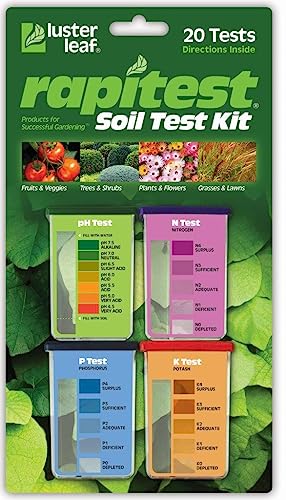
Quick, at home results for Soil pH, Nitrogen, Phosphorous and Potash Innovative and inexpensive soil test kit features an easy-to-use capsule system and patented color comparators

Comprehensive Soil Analysis: Liquid soil test kits offer a comprehensive analysis of essential soil parameters, including pH, ammonia, nitrogen, phosphorus, and potassium. Having all these measurements in one kit provides a holistic understanding of the soil's fertility and health.

-Two Essential Soil Tests in One: Measures soil pH (3.5–9.0) and Nitrogen levels (40–320 mg/kg) to improve nutrient availability, plant health, root development, and growth outcomes.
Clearing and Tilling the Soil
Clear the area around the planting site of any weeds, grass, or debris. Weeds compete with your tree for nutrients and moisture, hindering growth. After clearing, till the soil to a depth of 12-18 inches. Tilling aerates the soil, enhances drainage, and allows for better root expansion. Aim to break up any hard clumps. Mix in organic matter like compost to improve soil structure and fertility.
Testing Soil pH and Nutrients
Test the soil pH and nutrient levels before planting. Use a soil test kit, available at garden centers, to measure these important factors. Most fruit trees prefer a pH of 6.0 to 7.0. If your soil is too acidic or alkaline, amend it with lime or sulfur accordingly. Additionally, check nutrient levels, such as nitrogen, phosphorus, and potassium. Amend with organic fertilizers or well-balanced commercial fertilizers based on test results. This step ensures your fruit tree has the necessary nutrients for healthy growth.
Planting Techniques
Proper planting techniques set the foundation for healthy, productive fruit trees. Follow these guidelines to ensure successful growth.
Recommended Products
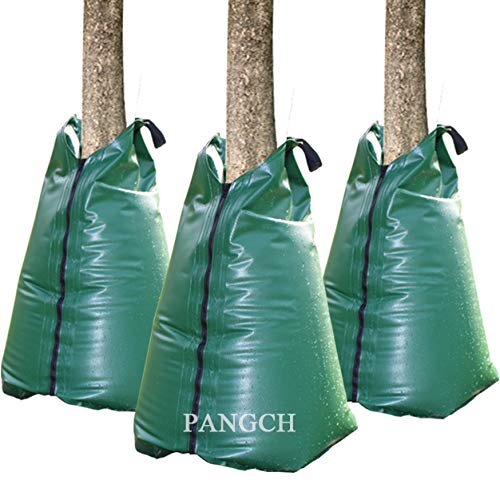
DEEP WATER SATURATION IS KEY - PANGCH tree watering bags deliver water deep below the soil surface, encouraging strong root growth, helping to reduce the effects of transplant & drought shock.Compared to conventional methods, tree watering bag can greatly reduce your watering frequency and save money by eliminating tree replacement and reducing labor costs.
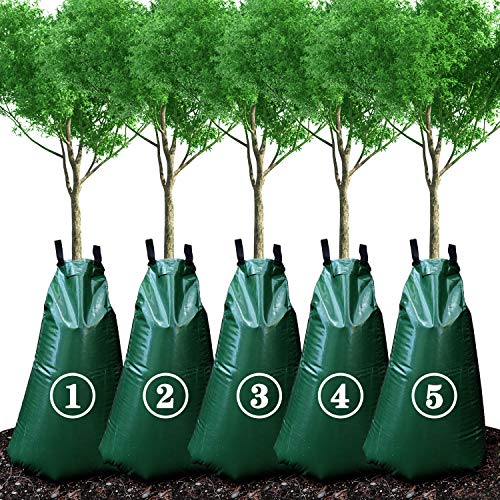
【BIG CAPACITY】Holds up to 20 gallons of water for deep watering to keep trees hydrated longer, especially in drought or hot weather areas. Most bags typically empty within 5–9 hours, while actual watering time may vary depending on soil type, weather, tree size, and water pressure. In some cases, it may take 5–24 hours to fully empty. Based on our testing, this release rate helps water reach the roots effectively while reducing evaporation in hot or dry conditions.
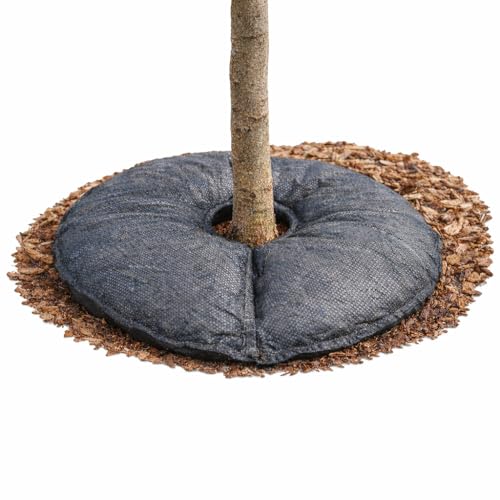
For Plants and Trees that with root balls about 12” in dia., (11-15”, e.g. 3-10 Gallon Container Sizes have top diameters between 11-15”) - Uses 99% LESS WATER than traditional tree bag over the course of multiple seasons for better establishment of the newly planted trees and shrubs! When the plant root ball is larger than 15”, the 36”, 48”, or multiple units of these larger sized SteadySpring Tree Mats are recommended to cover an area double of the root ball size or at least 20” larger than the root ball.
Correct Planting Depth
Plant fruit trees at the correct depth to support robust root growth. The root crown, where the roots meet the trunk, should sit level with the soil surface. Avoid planting too deep, as it can suffocate roots. When digging the hole, make it two to three times wider than the root ball but no deeper than necessary. For instance, if the tree is in a container, plant it to the same level as the soil in the container. After placing the tree, backfill with soil and gently firm it to eliminate air pockets.
Watering Immediately After Planting
Watering immediately after planting is critical for establishing your tree. It helps settle the soil around the roots and reduces transplant shock. Provide enough water to saturate the planting hole without creating puddles. Aim for one to two gallons for smaller trees and up to five gallons for larger varieties. Water daily for the first week to encourage root development, then adjust based on rainfall and soil moisture. Ensure the soil remains moist but not soggy to promote healthy growth.
By following these planting techniques, you cultivate an environment where your fruit trees can thrive.
Maintenance After Planting
After planting, maintaining your fruit tree is essential for its success. Proper care promotes healthy growth and increases fruit production.
Mulching for Moisture Retention
Mulching helps retain moisture in the soil. Organic materials like wood chips, straw, or shredded leaves create a protective layer around the base of the tree.
- Apply a 2-4 inch layer: Ensure the mulch stays a few inches away from the trunk to prevent rot.
- Replenish as needed: Check the mulch layer regularly and add more if it decomposes or thins out.
- Choose the right type: Use materials that break down over time, enriching your soil with nutrients.
Mulching keeps the soil temperature steady, reducing stress on the roots during hot or cold weather.
Pruning for Health and Growth
Pruning shapes the tree and promotes healthy growth. Regular pruning also enhances air circulation, reducing disease risk.
- Start early: Prune young trees to establish a strong structure. Aim for an open center to allow sunlight to reach all branches.
- Remove dead or crossing branches: These can attract pests or create wounds that invite disease.
- Cut at the right time: Late winter or early spring, when the tree is still dormant, is the best time for most fruit trees.
Use sharp, clean tools for cuts, which promotes quicker healing and reduces infection risk. By following these practices, you create a healthy environment for your fruit trees to flourish.
Conclusion
Choosing the right spot for your fruit tree is key to enjoying a bountiful harvest. By considering factors like sunlight soil quality and spacing you’re setting the stage for success. Remember to prepare your planting site well and maintain it with care through mulching and pruning.
With a little patience and attention your fruit trees will reward you with delicious fruits for years to come. So dig in and start planting—you’re on your way to creating a fruitful oasis right in your backyard!
Frequently Asked Questions
What factors should I consider when choosing a location for fruit trees?
Choosing the right location for fruit trees involves considering sunlight, soil quality, and available space. Ensure the area receives six to eight hours of direct sunlight daily, has well-draining loamy or sandy soil with a pH of 6.0 to 7.0, and provides enough space between trees for air circulation.
How does climate affect the growth of fruit trees?
Climate plays a crucial role in fruit tree growth. Most trees thrive in temperate climates, but some prefer tropical or subtropical conditions. For example, apple trees need cooler temperatures, while citrus trees do well in warmer climates. Always check your hardiness zone to select appropriate varieties.
How can I prepare my soil for planting fruit trees?
To prepare your soil, clear the area of weeds and debris, and then till the soil to a depth of 12-18 inches. Incorporate organic matter like compost to improve fertility and structure. Conduct a soil test to check pH and nutrient levels, and amend as necessary.
What are the proper planting techniques for fruit trees?
When planting fruit trees, dig a hole that is two to three times wider than the root ball but not deeper than necessary. Ensure the root crown is level with the soil surface. Water immediately after planting to settle the soil around the roots and reduce transplant shock.
How can I maintain my fruit trees after planting?
Post-planting maintenance includes mulching to retain soil moisture, using a 2-4 inch layer of organic material while keeping it away from the trunk. Regularly replenish mulch, prune for tree health, and remove any dead or crossing branches to promote vigorous growth and increases in fruit production.
