

Have you ever wondered if tree frogs can munch on fruit? You might think of these little creatures as insect-eaters, but their diet could be more varied than you expect. If you’re a frog enthusiast or just curious about these fascinating amphibians, you’re not alone in wanting to know what they can eat.
Key Takeaways
- Tree frogs can eat fruit, but it should only make up 10-15% of their overall diet, primarily consisting of insects.
- Suitable fruits for tree frogs include grapes, bananas, melons, and berries, which provide hydration and essential vitamins.
- Always wash and cut fruits into small, manageable pieces to prevent choking and ensure easy consumption.
- Monitor your tree frog’s reactions to fruit treats; if they show interest, you can offer them occasionally.
- Avoid feeding tree frogs citrus fruits, avocados, dried fruits, and stone fruits, as these can be harmful to their health.
- Maintain a balanced diet by incorporating a variety of food sources, ensuring optimal nutritional intake for your tree frog’s well-being.
Can Tree Frogs Eat Fruit?
Tree frogs can eat fruit, but it isn’t a primary part of their diet. In the wild, their diet mainly includes insects, worms, and other small invertebrates. However, occasional fruit consumption provides additional nutrients.
Suitable Fruits for Tree Frogs
You can offer certain fruits as treats. Consider these options:
- Grapes: Small and easy to digest. Cut them in halves to prevent choking.
- Bananas: Soft texture makes them simple for frogs to eat. Slice them into small pieces.
- Melons: Juicy and hydrating. Remove seeds and offer in bite-sized chunks.
- Berries: Rich in vitamins. Whole berries can be fed directly.
Nutritional Benefits
Fruits provide vitamins and hydration. Fruits like melons offer water content, which aids in digestion. Berries deliver antioxidants, supporting overall health. However, fruits should only constitute about 10-15% of a tree frog’s diet.
How to Offer Fruits
When introducing fruit, follow these tips:
- Wash Thoroughly: Clean fruits to remove pesticides or chemicals.
- Cut into Small Pieces: Ensure bite-sized offerings for easy consumption.
- Limit Amount: Provide fruit infrequently. Treats should complement, not replace, a balanced diet of insects.
Observing Reactions
Monitor your tree frog’s response to fruit. Some frogs may show interest, while others may ignore it. If your frog enjoys fruit, continue offering it occasionally. If not, stick to their preferred diet.
Tree frogs can eat fruit as an occasional treat. Choose appropriate fruits, prepare them correctly, and maintain a balanced diet for your pet’s health.
Nutritional Needs of Tree Frogs
Tree frogs require a balanced diet to thrive. While their primary food source consists of insects, fruit can play a beneficial role in their nutrition.
Importance of Diet
A varied diet is vital for the overall health of tree frogs. Eating a mix of foods ensures they receive essential vitamins and minerals necessary for growth and vitality. The nutrients from different food sources support their immune systems and enhance their natural behaviors. Neglecting a balanced diet may lead to health issues or decreased longevity.
- Insects: Tree frogs primarily feast on crickets, flies, and mealworms. These foods provide protein and energy.
- Worms: Small earthworms and other soft-bodied invertebrates offer moisture and essential nutrients.
- Fruits: Grapes, bananas, melons, and berries introduce vitamins and hydration. Fruits should constitute about 10-15% of their diet.
- Commercial Diets: Specially formulated frog pellets ensure a complete nutrient profile, making them a convenient option.
To promote optimal health, rotate food sources and introduce new items gradually. Monitor your tree frog’s activity and appearance to assess dietary effectiveness.
Types of Fruits Suitable for Tree Frogs
Tree frogs can enjoy a selection of fruits as part of their diet. Fruit should only compose about 10-15% of their total intake. Selecting the right fruits ensures they receive the nutrients without compromising their health.
Recommended Products

The Tree Frog design is for amphibian lovers or pet owners who love to have a terrarium with animals so they can feel like they are in their habitat. You love Tree Frog eggs and tank care? Then you'll love this too!

Durable & Reusable Nylon Net - The bird netting is made of nylon multifilament net which is high stretch and does not tear easily. It is UV and weather resistant which can be used indoors and outdoors for a couple of years, stronger than plastic net.
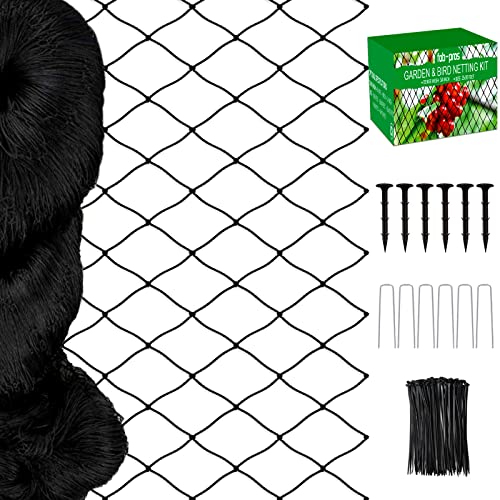
Durable & Reusable Nylon Net - The bird netting is made of nylon multifilament net which is high stretch and does not tear easily. It is UV and weather resistant which can be used indoors and outdoors for a couple of years, stronger than plastic net.
Safe Fruits to Offer
- Grapes: Wash them thoroughly, then cut them in half to make them easy to eat.
- Bananas: Cut into small slices. They offer potassium and other vitamins.
- Melons: Seedless varieties work best. Remove seeds and provide small cubes.
- Berries: Strawberries, blueberries, and raspberries are great options. Rinse and mash if needed for easier consumption.
- Papaya: Peel, seed, and cube ripe papaya for a sweet treat.
These fruits provide hydration and necessary vitamins but always ensure they’re clean and in appropriate sizes.
- Citrus Fruits: Oranges and lemons can be too acidic. They may cause stomach upset.
- Avocados: These contain persin, which is toxic to frogs and other small animals.
- Dried Fruits: High sugar content and lack of moisture can be harmful.
- Stone Fruits: Avoid cherries and peaches with pits; they pose a choking hazard.
Keeping these fruits away from your tree frog helps prevent health issues and ensures a balanced diet.
Feeding Guidelines for Tree Frogs
Feeding tree frogs requires attention to portion sizes and feeding frequency. Proper guidelines help maintain their health and well-being.
Recommended Products

PRODUCES HIGH YIELDS - Your cultures will THRIVE in this quality media and produce many generations of flies

FEED YOUR ANIMALS NATURALLY: Josh's Frogs fruit fly cultures provide a reliable source of live reptile food and amphibian food; ideal for poison dart frogs, juvenile frogs, slings, fish, praying mantids, geckos, and other small pets that thrive on tiny feeder insects

MEDIA RETAINS MOISTURE to keep the culture from drying out while also smelling fresh
Recommended Portion Sizes
Offer tree frogs small portions that match their size and appetite. Each feeding consists of about 5-10 small insects, like crickets or fruit flies. If you’re including fruit, limit it to a few small pieces, roughly the size of their eyes. For example, one grape cut into quarters works well. Avoid overfeeding to prevent obesity and digestive issues.
Frequency of Feeding
Feed tree frogs two to three times a week if you provide primarily insects. If you’re including fruit as a treat, do it once every other week. Regular feeding supports their energy needs and enhances their overall health. Ensure that meals occur at the same time to establish a routine, making it easier for your frogs to thrive.
Conclusion
Tree frogs can enjoy a little fruit now and then but remember it shouldn’t take center stage in their diet. Keeping their meals balanced with plenty of insects and other nutritious options is key to their health. Treating your tree frog to safe fruits like grapes or bananas every so often can add some variety and extra hydration. Just be sure to keep portions small and infrequent. By paying attention to their dietary needs you’ll help your little friend thrive and stay happy. Enjoy the journey of caring for your tree frog and watching them flourish!
Frequently Asked Questions
Do tree frogs only eat insects?
Tree frogs primarily eat insects, worms, and other small invertebrates. While insects form the bulk of their diet, they can occasionally consume fruit, which provides additional nutrients.
What fruits can tree frogs eat?
Tree frogs can safely eat grapes, bananas, melons, berries, and papaya. These fruits should be clean, cut into small pieces, and offered in moderation.
How much fruit should I give my tree frog?
Fruits should only make up about 10-15% of a tree frog’s diet. Limit fruit portions to a few small pieces that are roughly the size of the frog’s eyes.
How often should I feed my tree frog?
Feed tree frogs 2-3 times a week, offering 5-10 small insects per feeding. Fruits can be treated as an occasional snack, given every other week.
Are there any fruits tree frogs should avoid?
Yes, tree frogs should avoid citrus fruits, avocados, dried fruits, and stone fruits due to potential health risks associated with these foods.
