

Have you ever wished you could enjoy multiple fruits from just one tree? A fruit cocktail tree makes that dream a reality. Imagine stepping into your backyard and picking ripe peaches, plums, and cherries all from a single trunk. It’s not just a fun idea; it’s a practical solution for small gardens or patios.
In this article, you’ll discover what a fruit cocktail tree is and how it can transform your gardening experience. You’ll learn about the benefits of growing one and how to care for it, making it easier than ever to enjoy a variety of delicious fruits. Whether you’re a seasoned gardener or just starting out, you’ll find valuable insights that can help you create your own little fruit paradise right at home.
Key Takeaways
- What is a Fruit Cocktail Tree: A unique tree that produces multiple fruit varieties from a single trunk, allowing you to enjoy diverse flavors and textures.
- Space Efficiency: Ideal for small gardens or patios, fruit cocktail trees maximize limited space while offering a variety of homegrown produce.
- Grafting Process: Multiple fruit types are achieved through grafting, where branches (scions) of different fruits are attached to a single rootstock.
- Extended Harvest Season: With various fruits maturing at different times, fruit cocktail trees provide a longer harvest season throughout the year.
- Caring for Your Tree: Regular watering, annual pruning, and balanced fertilization are essential for healthy growth and optimal fruit production.
- Choosing the Right Type: Select fruit cocktail trees based on your regional climate and preferences to ensure successful growth and a bountiful harvest.
What Is A Fruit Cocktail Tree?
A fruit cocktail tree is a single tree that produces multiple types of fruits. This innovative solution allows you to enjoy a variety of flavors and textures from just one tree. Common combinations include peaches, plums, cherries, and apricots, but options vary based on climate and region.
Benefits of a Fruit Cocktail Tree
- Space Efficiency: Ideal for small gardens or patios, this tree maximizes your space while offering diverse produce.
- Pest Management: Growing multiple fruits on one tree can deter pests, reducing the need for pesticides.
- Extended Harvest Season: Different fruits mature at various times, providing a longer harvest season throughout the year.
How It Works
Fruit cocktail trees are typically created through grafting. Grafting involves taking a branch (scion) from one fruit tree and attaching it to the root of another (rootstock). This process allows the tree to grow several varieties.
Caring for Your Fruit Cocktail Tree
- Watering: Ensure consistent moisture, particularly during dry spells. Deep watering encourages healthy root growth.
- Pruning: Prune your tree annually to maintain shape and promote fruit production. Remove dead or overcrowded branches.
- Fertilization: Use a balanced fertilizer in early spring to support growth. Check for specific nutrient needs based on the fruits you’re growing.
- How long does it take for a fruit cocktail tree to produce fruit?
Generally, expect fruit production within 2 to 3 years after planting. - Can I grow a fruit cocktail tree in a container?
Yes, many fruit cocktail trees are suitable for container gardening. Choose a dwarf or semi-dwarf variety for best results.
By growing a fruit cocktail tree, you enjoy diverse, homegrown fruits while efficiently utilizing your gardening space.
Types Of Fruit Cocktail Trees
Fruit cocktail trees come in various types, each with unique combinations of fruits. Choosing the right type enhances your garden’s diversity and productivity.
Recommended Products
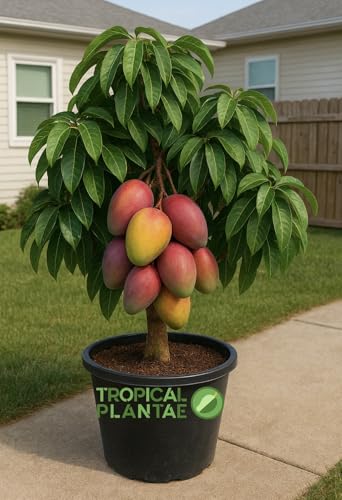
Imagine stepping into your backyard a few months from now and seeing a beautiful grafted Haden mango tree, growing stronger every day — a tree that will soon reward you with one of the most classic, flavorful mangoes ever grown.
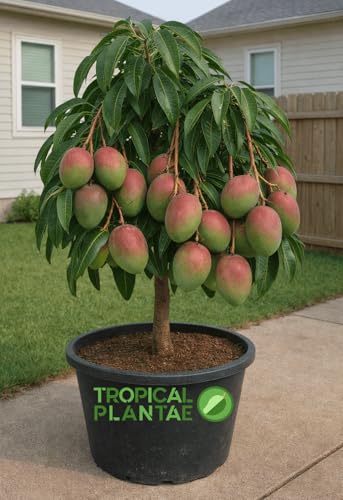
Imagine stepping outside your home and seeing a healthy mango tree growing stronger every season—one that doesn’t just decorate your yard, but adds real value to your daily life.

Imagine stepping into your backyard a few months from now and seeing a beautiful tropical tree growing stronger every day—your own Pineapple Mango tree, grafted to give you consistent, premium-quality fruit. You’re not just buying a plant. You’re creating a space that brings you joy, pride, and something to look forward to every single morning.
Common Varieties
- Stone Fruit Cocktail Trees
Stone fruit trees combine varieties like peaches, plums, and cherries. For example, a tree can produce Yellow Peaches, Santa Rosa Plums, and Bing Cherries. These trees thrive in warmer climates and prefer full sun. - Citrus Cocktail Trees
Citrus trees blend lemons, oranges, and limes. A typical tree may yield Eureka Lemons, Valencia Oranges, and Persian Limes. These trees flourish in subtropical climates but may need protection from frost. - Apple Cocktail Trees
Apple trees can graft different apple varieties, such as Granny Smith, Fuji, and Gala. This combination creates a staggered harvest. These trees work well in cooler climates with well-drained soil. - Berry Cocktail Trees
Berry cocktail trees incorporate varieties like raspberries and blackberries. They can yield multiple types of berries on one tree. These trees require good drainage and plenty of sunlight for optimal growth.
Regional Differences
The success of your fruit cocktail tree depends significantly on regional climate conditions.
- Warm Climates
Areas with warm winters benefit from citrus and stone fruit cocktail trees. Citrus varieties excel in these regions, including the South and Southwest. - Temperate Climates
In regions with four distinct seasons, apple and stone fruit cocktail trees thrive. They tolerate cold winters and produce high yields every year. - Cool Climates
Some berries enjoy cooler areas. If you live in a cooler region, look for berry cocktail trees. They flourish in well-drained, fertile soil.
Select a fruit cocktail tree type based on your region and personal preference. This choice ensures a fruitful and enjoyable gardening experience.
Benefits Of Growing A Fruit Cocktail Tree
Growing a fruit cocktail tree offers multiple advantages for gardeners. This versatile tree not only maximizes your garden space but also enhances your fruit production.
Recommended Products

CITRUS ELEGANCE FOR COCKTAILS – Add a rich, candied touch to drinks using orange twists for old fashioned cocktails. Cocktail oranges for old fashions bring balanced sweetness and citrus zest that brightens whiskey, margaritas, and more.
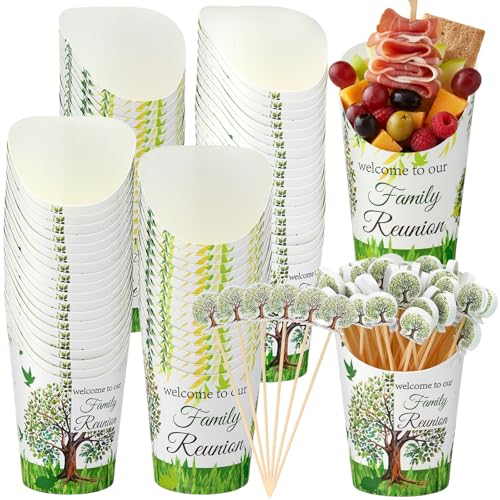
Complete Package for Your Party Needs: our pack includes 50 pcs of disposable charcuterie cups in the charming family reunion theme and a bonus of 200 tree cocktail picks; This abundant package meets your party sharing needs, ensuring each guest enjoys their personal service

This versatile citrus tree features a unique growth habit producing an attractive multi-stemmed form with fragrant blossoms and abundant fruit. Perfect for small gardens or containers it adds a splash of color and fragrance to any landscape.
Space-Saving Solutions
Space-saving benefits come from the ability to grow various fruits in one tree. If you have limited garden space or a small patio, a fruit cocktail tree fits perfectly. You can enjoy peaches, plums, and cherries without needing multiple trees. Consider using a container if you lack yard space; many fruit cocktail trees thrive in pots, providing flexibility for small areas.
Diverse Harvest
Diverse harvests are another major benefit. Since different fruits mature at different times, you experience a longer fruiting season. For example, early-blooming fruits like peaches may ripen in summer, while late-season varieties like plums come later in the year. This staggered harvest allows you to enjoy fresh fruits for many months. Additionally, you can tailor your tree to your taste preferences by selecting specific fruit combinations, ensuring your garden meets your cravings year-round.
How To Care For A Fruit Cocktail Tree
Caring for a fruit cocktail tree requires specific attention to ensure healthy growth and a bountiful harvest. Here’s how to get started.
Recommended Products

STAINLESS STEEL CHANNEL KNIFE WITH WALNUT HANDLE – Features a curved blade for zesting citrus into elegant ribbons. The wood handle with double rivets offers style and stability, making this citrus peeler a standout in any mixologist’s toolkit.

𝐆𝐞𝐧𝐭𝐥𝐞 𝐅𝐫𝐮𝐢𝐭 𝐇𝐚𝐫𝐯𝐞𝐬𝐭𝐢𝐧𝐠: Home-X fruit picking basket features uniquely designed finger-like prongs that gently grasp and pull apples, peaches, and more from branches without causing bruising or damage to the delicate fruit.
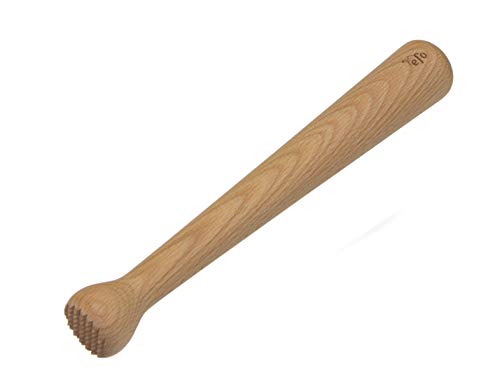
VERSATILE BAR & KITCHEN TOOL - efo Wooden Muddler is an important bar tool to have on hand if you make a lot of mixed drinks or work as a bartender. The purpose of muddling is to bring out the flavors of certain herbs before adding the liquid part of the drink. It is perfect not only for making cold summer drinks, you can also use it as a pestle with mortar for cooking to get the full flavors and fragrances of crushed herbs and spices. Must-have tool for every household!
Planting Tips
- Choose a Suitable Location: Select a sunny spot with at least 6 to 8 hours of direct sunlight daily. Ensure good air circulation to prevent disease.
- Test Soil Quality: Use well-draining soil with a pH between 6.0 and 7.0. Amend the soil with compost to improve nutrients and drainage.
- Plant at the Right Depth: Dig a hole that’s twice the width of the root ball but no deeper than the root ball itself. Place the tree in the hole, ensuring the graft union sits above the soil level.
- Water After Planting: Water thoroughly after planting. Keep the soil consistently moist, especially during the first growing season.
- Water Regularly: Provide 1 to 2 inches of water weekly during the growing season. Use mulch to retain moisture and regulate soil temperature.
- Fertilize Annually: Apply a balanced fertilizer in early spring when new growth begins. Follow package instructions for the correct amount based on tree size and age.
- Prune for Health: Prune annually in late winter or early spring to remove dead wood and promote an open canopy. Thin branches that cross or crowd each other to ensure sunlight reaches all parts of the tree.
- Monitor for Pests: Inspect for common pests like aphids or fruit flies. Use organic insecticides or natural remedies to control infestations.
- Harvest Properly: Pick fruits when mature for the best flavor. Harvesting at the right time varies by fruit type, so check for color, firmness, and ease of removal from the branch.
Following these guidelines ensures your fruit cocktail tree thrives and produces a diverse array of delicious fruits for your enjoyment.
Conclusion
Growing a fruit cocktail tree can transform your garden into a vibrant and fruitful oasis. With the ability to enjoy multiple fruits from a single tree you’ll not only save space but also extend your harvest season.
Whether you’re an experienced gardener or just starting out this tree offers a fun and rewarding way to diversify your home garden. By following the care tips and choosing the right varieties for your climate you’ll be well on your way to enjoying a delicious array of fresh fruits.
So go ahead and consider adding a fruit cocktail tree to your garden. It’s a delightful way to cultivate your love for gardening while savoring the sweet rewards of your labor.
Frequently Asked Questions
What is a fruit cocktail tree?
A fruit cocktail tree is a single tree that produces multiple types of fruits, such as peaches, plums, and cherries. This is achieved through a technique called grafting, where branches from different fruit varieties are attached to a single rootstock.
What are the benefits of growing a fruit cocktail tree?
Growing a fruit cocktail tree maximizes garden space by allowing multiple fruits on one tree, making it ideal for small gardens or patios. It also extends the harvest season and can improve pest management due to the diversity of fruits.
How do I care for a fruit cocktail tree?
To care for a fruit cocktail tree, ensure it receives adequate sunlight, water regularly, and apply a balanced fertilizer in early spring. Annual pruning is essential for healthy growth. Monitor for pests and harvest fruits at their peak ripeness.
How long does it take for a fruit cocktail tree to produce fruit?
Fruit production from a fruit cocktail tree typically begins within 2 to 3 years after planting, depending on the specific varieties grafted onto the tree and local growing conditions.
Can I grow a fruit cocktail tree in a pot?
Yes, many fruit cocktail trees can be grown in containers, making them suitable for limited spaces like patios or balconies. Be sure to select a variety that thrives in pots and provides enough sunlight and water.
What types of fruits can I grow on a cocktail tree?
Fruit cocktail trees can include a variety of fruits, such as stone fruits (like peaches and plums), citrus fruits, apples, and berries. The choice depends on your climate and personal preferences.
How do I choose the right fruit cocktail tree for my climate?
Select a fruit cocktail tree based on your regional climate conditions. Warm climates favor citrus and stone fruits, temperate climates are best for apples and stone fruits, while cooler climates support berry varieties for optimal growth.
