

Have you ever wanted to grow your own fruit trees but felt overwhelmed by the process? You’re not alone. Many gardening enthusiasts dream of a bountiful harvest but aren’t sure where to start. Propagating fruit trees from cuttings is a simple and rewarding way to expand your garden without breaking the bank.
Key Takeaways
- Understand Propagation: Propagating fruit trees from cuttings is an efficient way to expand your collection while preserving the desired traits of parent trees, ensuring the same fruit quality and resistance to disease.
- Choose Healthy Parents: Select robust, disease-free parent trees to maximize the chances of successful propagation and to replicate quality traits in your new trees.
- Essential Tools: Prepare necessary materials like sharp pruning shears, rooting hormone, well-draining potting mix, and humidity-retaining covers to set up a successful propagation environment.
- Proper Cutting Techniques: Follow effective methods for taking cuttings, ensuring to dip the cut end in rooting hormone and selecting cuttings from healthy young stems during active growth periods.
- Create an Ideal Environment: Maintain high humidity, proper temperature, and soil moisture for your cuttings, monitoring their progress to ensure successful rooting.
- Careful Transplanting: Transplant rooted cuttings at the right time and in suitable conditions, preparing the soil well and providing ongoing care to promote healthy growth in their new location.
Understanding Fruit Tree Propagation
Fruit tree propagation involves creating new plants from existing ones. This process plays a crucial role in gardening, allowing you to expand your fruit tree collection efficiently.
Importance of Propagation
Propagation lets you preserve desirable traits found in parent trees. By using cuttings, you maintain the same fruit quality and disease resistance. This method solves the problem of seed-based variability, ensuring that new trees produce fruit similar to their parent. For example, if you love the sweet apples from a specific tree, taking a cutting from it will replicate those flavors in the new tree.
Benefits of Using Cuttings
Using cuttings offers several advantages:
- Cost-Effective: Propagating from cuttings reduces expenses compared to purchasing new trees.
- Simplicity: The cutting process is straightforward, requiring minimal tools and skills.
- Speed: Cuttings can grow into mature plants faster than seedlings, allowing you to enjoy fruit sooner.
- Variety Expansion: You can experiment with different varieties from a single tree, enhancing diversity in your garden.
Taking cuttings from healthy branches not only promotes growth but also allows you to personalize your garden’s fruit selection.
Preparing for Propagation
Preparing for propagation takes careful planning and the right resources. Gather everything you need to ensure success in growing new fruit trees from cuttings.
Recommended Products

PROFESSIONAL GARDENING GRAFTING TOOLS: Including 2 in 1 grafting pruning tools, 3 replaceable blades, a grafting knife, a screwdriver, a wrench, 2 grafting films, 160 rubber bands, 40 wide rubber bands, and 50 colorful tag cards

Let our professionally formulated plant food help your fruit tree grow healthy, strong AND abundantly producing
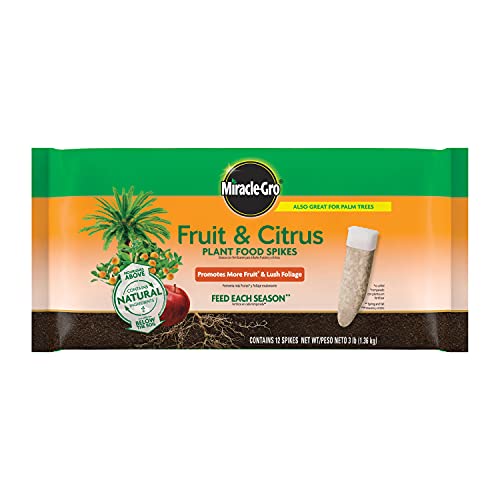
FORMULATED FOR CITRUS AND FRUIT TREES: Use these citrus fertilizer spikes on apple, orange, lemon, lime, and avocado trees; this formula is also great for feeding palm trees
Selecting Healthy Parent Trees
Select healthy parent trees to improve the chances of successful propagation. Look for trees that exhibit robust growth, vibrant foliage, and no signs of disease. Favor trees that produce high-quality fruit and have desirable traits, like taste and size. Taking cuttings from trees that consistently yield good results enhances the likelihood that your new trees will thrive. For example, if you enjoy a specific apple variety, choose a strong, productive tree to increase the chances of replicating its traits.
Tools and Materials Needed
Gather essential tools and materials before taking cuttings. Here’s a list to get you started:
- Sharp Pruning Shears: Use clean, sharp shears to make clean cuts, reducing the risk of disease.
- Rooting Hormone: Apply rooting hormone to enhance root development and improve success rates.
- Potting Mix: Choose a well-draining potting mix, such as a blend of peat and perlite, to support new growth.
- Containers: Use small pots or trays with drainage holes to ensure excess water can escape.
- Plastic Bags or Cling Film: These help maintain humidity around the cuttings, which is crucial for root development.
By preparing these elements ahead of time, you set a solid foundation for your propagation efforts.
The Cutting Process
The cutting process requires careful attention to detail. You’ll enhance your success by following specific guidelines.
Recommended Products

Root hormone for cuttings are perfect for the propagation of indoor and outdoor plants

THE ULTIMATE ROOTING BOOSTER: Specially formulated with all-natural rooting hormone and vitamins, our propagation drops dramatically speed up root development and strengthen plants at every stage, from delicate cuttings to mature houseplants.

ROOT STARTER FOR SOFTWOOD PLANT CUTTINGS (0.10% IBA): This root powder accelerates root development for plant propagation. Formulated with Indole-3-Butyric Acid (IBA), this root hormone powder strengthens root systems for healthier plants.
Choosing the Right Time
Choose the right time when taking cuttings for the best results. Late spring or early summer works well because plants are actively growing. During this period, the tissues are more flexible and receptive to rooting. Avoid late in the season when the plant prepares for dormancy. Aim for a cool, overcast day for optimal conditions, as this reduces stress on the cutting.
Methods for Taking Cuttings
Adopt proven methods for taking cuttings to maximize the chances of successful propagation. Here are a few effective methods:
- Stem Cuttings: Take a 6-8 inch cutting from healthy, young stems of the parent tree. Make the cut just below a node for better rooting potential. Remove any leaves from the bottom half to keep moisture focused where it matters.
- Leaf Cuttings: Use this method for certain fruit trees like figs or geraniums. Take a healthy leaf and cut it into sections, each containing a vein. Plant each section in the potting mix with the vein side down.
- Root Cuttings: For some species, use root cuttings taken in late winter. Dig up healthy roots, cut them into 3-6 inch pieces, and plant them horizontally in the soil.
- Softwood Cuttings: Collect these from current season growth in early summer. Trim the cuttings so they’re around 4-6 inches long. This method is effective for many deciduous fruit trees.
Whichever method you choose, dip the cut end in rooting hormone before planting. This promotes root development and increases success rates.
Rooting the Cuttings
Rooting cuttings successfully involves creating a supportive environment and providing consistent care.
Creating the Ideal Environment
Creating an ideal environment for rooting cuttings enhances your chances of success.
- Use a Humidity Dome: Cover cuttings with plastic bags or cling film to maintain high humidity. This helps prevent moisture loss and encourages root development.
- Choose a Warm Location: Place your container in a warm spot with indirect sunlight. Ideal temperatures for rooting range from 65°F to 75°F (18°C to 24°C).
- Maintain Proper Soil Moisture: Use a well-draining potting mix and keep it moist but not soggy. Overwatering can lead to rot, while dryness can hinder root formation.
- Provide Good Air Circulation: Ensure some airflow around your cuttings to prevent mold growth. Open the humidity dome occasionally to promote ventilation.
Monitoring and Care
Monitoring and care are vital to successful rooting.
- Check for Roots: After 4 to 8 weeks, gently tug on the cuttings to assess root growth. Resistance indicates development.
- Water Carefully: Water only when the top layer of soil feels dry. Avoid water pooling to protect against root rot.
- Fertilize Sparingly: After rooting, use a diluted liquid fertilizer every few weeks. This promotes healthy growth without overwhelming the young plants.
- Transplant with Care: Once roots develop, transplant your cuttings into larger pots or directly into the garden. Handle them gently to prevent damage to the fragile roots.
Taking these steps ensures your fruit tree cuttings thrive and root successfully, preparing them for future growth.
Transplanting the New Plants
Transplanting your new fruit tree cuttings marks an exciting step in the propagation journey. This phase requires careful timing and proper planting techniques to ensure the continued health and growth of your plants.
Timing for Transplanting
Transplanting should occur when the roots of your cuttings are well-developed. Generally, this takes about 6 to 8 weeks after planting the cuttings. Check for roots by gently tugging on the cuttings; if you feel resistance, roots are forming. Ideally, transplant during early spring or fall when temperatures are moderate. Avoid transplanting in extreme heat or cold, as this can stress the young plants.
- Choose the Right Location: Select a spot with well-draining soil and adequate sunlight. Most fruit trees prefer full sun, receiving at least 6 hours of direct light daily.
- Prepare the Soil: Enhance the soil with organic matter, such as compost, to improve fertility and drainage. This will support the new plants as they establish themselves.
- Dig the Hole: Create a hole that’s twice the width of the root ball but no deeper than the cutting’s root length. This gives roots ample space to spread.
- Place the Cutting: Position the cutting in the center of the hole. Ensure that the roots are spread out and not tangled. The soil line of the cutting should match the surrounding soil level.
- Fill the Hole: Gradually fill in the hole with soil, tamping it down gently to remove air pockets. Make sure the area around the roots is secure but not compacted.
- Water Thoroughly: Water the newly transplanted cutting generously immediately after planting. This helps settle the soil and provides necessary moisture.
- Mulch Around the Base: Add a layer of mulch to conserve moisture and suppress weeds. Keep the mulch a few inches away from the stem to prevent rot.
- Monitor and Care: Keep an eye on the young plants as they adapt to their new environment. Water them regularly, especially during dry spells, and check for pests or signs of distress.
Following these practices will not only help your transplanted cuttings thrive but also set the stage for fruitful growth in the future.
Conclusion
Propagating fruit trees from cuttings can be a rewarding adventure for any gardening enthusiast. With a little patience and the right techniques you can grow your own fruit trees without breaking the bank. Remember to select healthy parent trees and prepare your tools and materials ahead of time to set yourself up for success.
As you nurture your cuttings and watch them grow into thriving plants you’ll not only enjoy the fruits of your labor but also gain a deeper connection to your garden. So roll up your sleeves and get started on your propagation journey. Happy gardening!
Frequently Asked Questions
What is fruit tree propagation from cuttings?
Fruit tree propagation from cuttings is the process of creating new plants by taking sections of parent trees, such as stems or leaves, and encouraging them to root. This method is cost-effective and allows gardeners to expand their fruit tree collection while preserving the desirable traits of the parent tree.
Why is propagation important for gardeners?
Propagation is crucial for gardeners because it ensures new trees retain the same fruit qualities as the parent tree. It enables efficient expansion of a fruit garden and allows for experimentation with different varieties, which enhances gardening enjoyment and personalizes the fruit selection.
When is the best time to take cuttings?
The ideal time to take cuttings is late spring or early summer when plants are actively growing. This timing improves the chances of successful rooting, as the plant’s energy is directed towards new growth, making it easier for cuttings to establish roots.
What tools do I need for taking cuttings?
Essential tools for taking cuttings include sharp pruning shears, rooting hormone, well-draining potting mix, containers, and plastic bags or cling film to maintain humidity. Having these materials ready helps set a solid foundation for successful propagation.
How can I create a supportive environment for rooting cuttings?
To create a supportive environment, maintain high humidity with a humidity dome, place cuttings in a warm area with indirect sunlight, and ensure proper soil moisture and air circulation. Monitoring conditions closely will help promote successful rooting.
How do I know when to transplant new plants?
Transplant new plants once the roots are well-developed, typically 6 to 8 weeks after planting. Look for strong roots and ensure the location has well-draining soil and adequate sunlight for the best chance of successful growth.
What steps are involved in transplanting cuttings?
To transplant cuttings, choose a suitable location with well-draining soil. Prepare the soil with organic matter, dig a hole large enough for the roots, place the cutting correctly, fill the hole, water thoroughly, and add mulch. Regular monitoring will help the young plants adapt.
