

Have you ever noticed fruit tree trunks painted white and wondered why? It might seem odd at first, but this simple practice can make a big difference in the health of your trees. If you’re a gardener or just love having fruit trees in your yard, understanding this technique can help you protect your plants from various challenges.
Key Takeaways
- Painting fruit tree trunks white helps regulate temperature by reflecting sunlight, preventing sunscald, and promoting healthier tree growth.
- The white paint serves as a pest deterrent, making it harder for insects to climb and locate their hosts on the trunks.
- Use high-quality, water-based latex paint diluted for better bark absorption, ensuring it is suitable for outdoor conditions.
- Proper application involves cleaning the trunk, using a brush or roller for even coverage, and applying two coats for optimal protection.
- Common misconceptions, such as paint harming tree health or being unattractive, are dispelled; the right paint allows airflow and enhances garden aesthetics.
- Using biodegradable paint options contributes to environmental sustainability while maintaining the health of both the trees and the surrounding ecosystem.
Benefits of Painting Fruit Tree Trunks White
Painting fruit tree trunks white offers several significant advantages for tree health and overall garden management. The practice not only protects your trees but also enhances their ability to thrive in various conditions.
Recommended Products

Use for a variety of indoor and outdoor project surfaces including wood, metal, plaster, masonry or unglazed ceramic
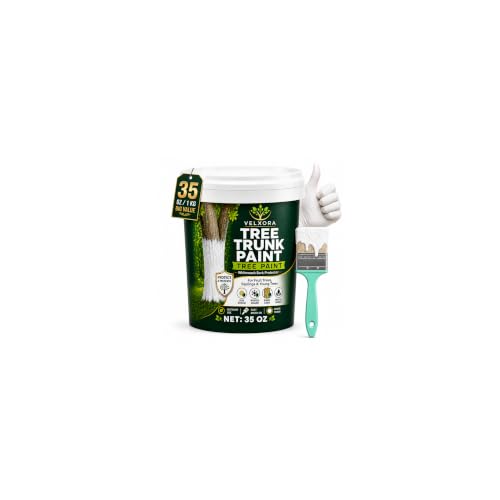
3 IN 1 SEASONAL TREE CARE: White tree trunk paint designed for summer sun exposure, winter sunscald conditions and seasonal bark care. Creates an even white coating on exposed trunks and lower bark areas

BRUSH ON PAINT – Krylon COLORmaxx Acrylic Latex Brush On Paint delivers premium coverage and superior color with adhesion and durability. This acrylic latex paint can be used on wood, metal, wicker, plastic/ceramic, wrought iron, drywall and masonry.
Temperature Regulation
Painting tree trunks white reflects sunlight, which helps keep the bark cooler during hot weather. High temperatures can lead to sunscald, a condition that damages the tree’s bark and inner tissues. White paint protects against extreme temperature fluctuations, enabling your trees to maintain healthier growth. For best results, use a diluted mixture of water and latex paint to allow the bark to breathe while still providing reflective benefits.
Pest Deterrence
White paint acts as a barrier against certain pests that may harm your fruit trees. Many crawling insects, such as ants or beetles, are less likely to climb up the white surface. Furthermore, this bright color can confuse some pests or predators, making it harder for them to locate their hosts. Regularly inspect your trees for any signs of pests and maintain the paint layer to maximize its protective effects.
How to Properly Paint Fruit Tree Trunks
Properly painting fruit tree trunks protects your trees and enhances their health. Following a few simple steps ensures you get the best results.
Recommended Products

Use for a variety of indoor and outdoor project surfaces including wood, metal, plaster, masonry or unglazed ceramic

Use for a variety of indoor and outdoor project surfaces including wood, metal, plaster, masonry or unglazed ceramic

Use for a variety of indoor and outdoor project surfaces including wood, metal, plaster, masonry or unglazed ceramic
Selecting the Right Paint
Choose a high-quality, water-based latex paint for effective results. Look for paint that’s designed for outdoor use, as it withstands various weather conditions better. Opt for a light color, preferably white, to maximize sunlight reflection. Avoid using oil-based paints; they can trap moisture and harm the bark. Consider a paint that includes insect-repelling properties for added protection against pests.
Application Techniques
Prepare the surface by cleaning the trunks. Remove any dirt, debris, or old paint before you start. Dilute the latex paint with an equal part of water for better absorption. Use a brush or a roller to apply the paint evenly on the trunk. Start at the base and work your way up to ensure complete coverage. Pay special attention to knots and crevices, as they may require extra paint. Aim to apply two coats for optimal protection, allowing the first coat to dry before adding the second. Regular maintenance every couple of years keeps the protective layer effective.
Common Myths About Painting Fruit Tree Trunks
Many myths surround the practice of painting fruit tree trunks. Understanding these misconceptions helps clarify the actual benefits of this beneficial technique.
Recommended Products

MIX ONLY WHAT YOU NEED: Unlike premixed liquid paints that can skin over, dry out, or harden after opening, Garden Organix tree paint stays dry until you’re ready to use it. Mix only what you need, store the rest for later, and just mix more when you’re ready to paint again.
Use for a variety of indoor and outdoor project surfaces including wood, metal, plaster, masonry or unglazed ceramic
Use for a variety of indoor and outdoor project surfaces including wood, metal, plaster, masonry or unglazed ceramic
Misconceptions About Tree Health
Some believe that painting trunks harms tree health. It’s incorrect to think that paint suffocates the bark; the right paint allows for necessary airflow. A diluted, water-based latex paint, when applied correctly, can actually protect the tree from sun damage and pests. Regularly inspecting the paint layer promotes ongoing health.
Confusion About Aesthetics
A common myth asserts that white trunks look unattractive. However, many gardeners find that painted trunks offer a tidy appearance while enhancing fruit tree visibility in the landscape. A white trunk reflects sunlight effectively, protecting the tree without compromising its aesthetic appeal. A clean, white trunk can attract positive attention in your garden, benefiting your overall landscape design.
Environmental Impact of White Paint
Using white paint on fruit tree trunks positively influences the environment. This practice not only protects trees but also contributes to the broader ecosystem’s health.
Effects on Local Ecosystem
Reflective white paint helps maintain cooler temperatures around your trees. Cooler temperatures reduce the likelihood of heat-related stress on the soil and surrounding plants. Additionally, by reflecting sunlight, it encourages beneficial microorganisms’ activity in the soil, enhancing its quality. Keeping the bark cooler may also deter some pests naturally, decreasing pesticide use and promoting a healthier ecosystem.
Biodegradable Paint Options
Choosing biodegradable paint options supports sustainability. These paints break down naturally without leaving harmful residues, protecting soil and water systems. Look for latex or acrylic-based paints labeled as biodegradable. These options offer the same reflective benefits while being gentler on the environment. Regular maintenance and reapplication every few years keep your trees healthy while ensuring minimal ecological impact.
Conclusion
Painting your fruit tree trunks white is a simple yet effective way to boost their health and resilience. By reflecting sunlight and keeping the bark cool you’re not only protecting your trees from sunscald but also deterring pests. Plus it adds a charming touch to your garden’s aesthetic.
With the right materials and a little maintenance you can enjoy the benefits for years to come. Choosing biodegradable paint options further supports the environment and enhances your garden’s ecosystem. So grab that brush and give your trees the care they deserve. You’ll be glad you did!
Frequently Asked Questions
Why should I paint my fruit tree trunks white?
Painting fruit tree trunks white helps regulate temperature by reflecting sunlight, which prevents sunscald. It also acts as a pest deterrent, reducing the likelihood of damage from crawling insects.
What type of paint should I use?
Use a high-quality, water-based latex paint in a light color like white for the best results. Avoid oil-based paints, as they can trap moisture and harm the bark.
How do I apply paint to the tree trunks?
First, clean the trunks thoroughly. Then, dilute the paint with water for better absorption and apply two coats for optimal protection.
How often should I repaint the trunks?
It’s recommended to inspect and reapply the paint every couple of years to maintain its protective effects and ensure the health of the trees.
Does painting trunks affect the aesthetics of my garden?
Many gardeners find that white-painted trunks enhance their landscape’s appearance by providing a clean, attractive look while also being functional in protecting the trees.
Is there an environmental impact to consider?
Yes, reflective white paint can help maintain cooler temperatures and support beneficial microorganisms in the soil. Consider using biodegradable paint options to minimize ecological impact.
Can painted trunks still breathe?
Using the right type of paint allows for necessary airflow. A diluted latex paint ensures that the tree’s bark can breathe while providing reflective benefits.
Are there any myths about painting tree trunks?
Common myths include that painted trunks are unattractive or harmful to tree health. In reality, white trunks can enhance landscaping and protect against sun damage and pests.
