

Are you worried about pests ruining your fruit trees? You’re not alone. Many gardeners face the challenge of keeping their trees healthy while trying to protect their precious harvests. When it comes to pest control, Sevin is a popular choice. But is it really safe for your fruit trees?
Key Takeaways
- Sevin Overview: Sevin is a pesticide containing carbaryl, effective against various pests like aphids and beetles, but needs to be applied correctly for safety.
- Application Timing: Apply Sevin early in the morning or late in the evening to minimize harm to beneficial insects and ensure effectiveness against pests.
- Safety Recommendations: Avoid using Sevin before harvest and wash fruits thoroughly to reduce chemical residues before consumption.
- Impact on Beneficial Insects: Sevin can harm pollinators; consider using IPM strategies and targeted applications to protect these crucial organisms.
- Alternative Solutions: Explore organic options such as insecticidal soap, neem oil, and companion planting for effective pest control while being environmentally friendly.
Overview of Sevin
Sevin is a widely recognized pesticide that contains the active ingredient carbaryl. It’s effective against a range of pests, including aphids, caterpillars, and beetles. Gardeners often turn to Sevin for its broad-spectrum capabilities, especially when facing severe infestations on fruit trees.
Sevin is available in several formulations, including granules, liquid sprays, and dust. This versatility allows you to choose the most convenient application method for your fruit trees. For example, liquid sprays provide even coverage on leaves, while granules may be better for soil application.
When using Sevin, timing is crucial. Apply it during the early morning or late evening to minimize harm to beneficial insects. It’s essential to follow the manufacturer’s instructions for dosage and frequency to ensure safety and effectiveness.
You may wonder about the safety of Sevin for fruit trees. While it’s generally regarded as safe when used correctly, it’s recommended to avoid applying it just before harvest. Also, make sure to wash fruit thoroughly before consumption to reduce any residual chemicals.
Understanding the potential impact of Sevin on pollinators and other beneficial insects matters. To minimize risks, consider using integrated pest management (IPM) strategies. These include monitoring pest levels, handpicking larger pests, and using physical barriers.
By being mindful of application methods and timings, you can effectively safeguard your fruit trees while maintaining a healthy ecosystem.
Purpose of Using Sevin on Fruit Trees
Using Sevin provides gardeners with an effective solution for managing pest infestations on fruit trees. The right application protects your harvest and maintains tree health.
Key Ingredients in Sevin
Sevin contains carbaryl, a broad-spectrum insecticide. Carbaryl targets various pests, making it suitable for fruit trees. Formulations include granules, liquids, and dust, enabling flexible application methods. Always check the product label for specific ingredients, as formulations may vary.
How Sevin Works as an Insecticide
Sevin disrupts the nervous systems of insects upon contact or ingestion. Pests like aphids and beetles stop feeding and eventually die. This fast action helps control infestations quickly, allowing trees to recover. Timing your application enhances effectiveness, especially during peak pest seasons.
Safety Concerns with Sevin
Understanding the safety concerns related to Sevin is crucial for effective pest management on fruit trees. While Sevin is popular among gardeners, awareness of its potential effects on the environment and non-target organisms matters.
Effects on Pollinators
You should keep in mind that Sevin can harm pollinators like bees and butterflies. When applied, it may remain toxic for several days, posing a risk to these beneficial insects. To minimize impact, apply Sevin during early morning or late evening when pollinators are less active. Using targeted application methods helps reduce exposure. Additionally, consider opting for less harmful alternatives, such as insecticidal soap or neem oil, especially during flowering periods.
Impact on Soil and Water
Sevin can affect soil health and water quality. Its active ingredient, carbaryl, may leach into soil and waterways, potentially disrupting local ecosystems. To mitigate this, avoid applying Sevin near water sources or during rain periods to prevent runoff. Incorporating organic practices, like using mulch and compost, supports healthier soil while reducing reliance on chemical pesticides. Testing soil and water before and after application can provide valuable insights into any chemical impact.
Guidelines for Using Sevin on Fruit Trees
Using Sevin on fruit trees requires careful attention to safety and effectiveness. Following specific guidelines helps ensure successful pest management while minimizing risks to your trees and the surrounding environment.
Recommended Products

Plant insecticide to protect your roses and edibles from listed damaging pests

Garden pest control that won't harm your plants or blooms - when used as directed
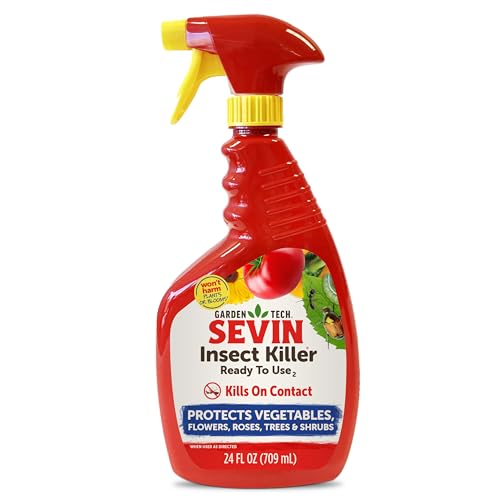
Plant insecticide to protect your roses and edibles from listed damaging pests
Proper Application Methods
- Choose the Right Formulation: Select Sevin in granule, liquid spray, or dust form based on your specific needs. Granules work well for soil applications, while liquid spray is ideal for foliage.
- Apply Evenly: When applying Sevin, ensure an even coverage over the affected areas of the tree. This helps maximize contact with pests, leading to more effective pest control.
- Use Appropriate Gear: Wear gloves, masks, and goggles during application to protect your skin, eyes, and respiratory system from exposure to Sevin.
- Follow Manufacturer’s Instructions: Always adhere to the specific directions on the product label to ensure safe use and optimal results. This includes mixing ratios and recommended application methods.
- Select the Right Time of Day: Apply Sevin early in the morning or late in the evening. This timing reduces exposure to beneficial insects and avoids peak activity periods for pollinators.
- Monitor Pest Activity: Assess your trees regularly for pest infestations. Applying Sevin at the first signs of trouble prevents larger infestations and lessens the need for multiple applications.
- Limit Applications: Do not exceed the recommended number of applications per season. Overuse can harm beneficial insects and soil health.
- Plan Around Harvest: Avoid applying Sevin close to harvest time. Consult the product label for a pre-harvest interval to ensure fruit safety.
Alternatives to Sevin for Fruit Tree Pest Control
Choosing safe alternatives to Sevin for pest control helps protect your fruit trees and the surrounding ecosystem. Several effective options exist that meet your pest management needs without the potential drawbacks associated with chemical pesticides.
Insecticidal Soap
- Effectiveness: Targets soft-bodied insects like aphids and spider mites.
- Application: Mix according to package instructions and spray directly on affected areas.
- Timing: Best applied in the early morning or late evening to reduce harm to beneficial insects.
Neem Oil
- Effectiveness: Acts as an insect growth regulator, deterring pests such as whiteflies and beetles.
- Application: Dilute with water as per the label directions and apply using a spray bottle.
- Timing: Apply during calm weather to prevent drift and ensure even coverage.
Diatomaceous Earth
- Effectiveness: Abrasive substance that damages the exoskeletons of crawling insects like ants and aphids.
- Application: Dust around the base of trees and affected foliage.
- Timing: Use when dry for maximum effectiveness; reapply after rain.
Companion Planting
- Effectiveness: Utilizes the natural properties of specific plants to repel pests or attract beneficial insects.
- Examples: Planting marigolds can deter nematodes, while basil repels flies and mosquitoes.
- Layout: Incorporate companion plants into your garden design to optimize pest control naturally.
Organic Sprays
- Effectiveness: Sprays made from plant extracts or essential oils can combat various pests.
- Examples: Pyrethrin, derived from chrysanthemums, is potent against a wide range of insects.
- Application: Follow instructions for dilution and apply consistently to maintain effectiveness.
- Effectiveness: Enhancing tree health through proper care reduces pest pressure.
- Tips: Prune regularly to improve airflow, maintain soil health through composting, and ensure proper watering practices.
- Timing: Implement these practices throughout the growing season for best results.
Using these alternatives allows you to manage pests effectively while minimizing risks to your fruit trees and the environment. Each option has distinct benefits, promoting healthier trees and safer harvests.
Conclusion
Using Sevin on your fruit trees can be a helpful way to manage pesky pests while keeping your harvest safe. Just remember to apply it carefully and follow the guidelines to protect both your trees and the surrounding ecosystem.
Consider timing your applications to minimize impact on beneficial insects and always wash your fruit thoroughly before enjoying it. If you’re concerned about the effects on pollinators or the environment, exploring alternatives might be a great option.
By combining effective pest control with good tree care practices, you can enjoy a bountiful and healthy harvest season after season. Happy gardening!
Frequently Asked Questions
What is Sevin and how does it work?
Sevin is a pesticide containing the active ingredient carbaryl, effective against various pests like aphids and beetles. It disrupts the nervous systems of insects upon contact or ingestion, leading to quick pest control, allowing fruit trees to recover and maintain health.
When is the best time to apply Sevin?
The best time to apply Sevin is early morning or late evening when temperatures are cooler and beneficial insects are less active. This timing minimizes harm to pollinators and ensures effective pest management.
Is Sevin safe for use on fruit trees?
Sevin is generally considered safe for use on fruit trees when applied according to the manufacturer’s instructions. However, it is essential to avoid applying it just before harvest and to wash fruit thoroughly before consumption to ensure safety.
What are the environmental concerns with using Sevin?
Sevin can negatively impact pollinators like bees and butterflies, remaining toxic for days after application. It may also affect soil health and water quality, particularly if used near water sources or before rain.
What alternatives to Sevin can I use for pest control?
Effective alternatives to Sevin include insecticidal soap, neem oil, diatomaceous earth, and organic sprays. These options provide pest management while minimizing risks to beneficial insects and the surrounding ecosystem.
How can I enhance tree health to reduce pest pressure?
To enhance tree health and reduce pest pressures, practice regular pruning, maintain healthy soil with compost and mulch, and ensure proper watering. Healthy trees are more resilient against pests, leading to better harvests.
