

Have you ever dreamed of picking fresh fruit right from your backyard? If you live in North Carolina, you’re in luck! The state’s diverse climate and soil conditions make it ideal for a variety of fruit trees.
Key Takeaways
- Diverse Fruit Tree Options: North Carolina’s climate allows for a variety of fruit trees, including apples, peaches, cherries, figs, and pawpaws, each suited for specific hardiness zones.
- Ideal Planting Conditions: Plant trees in well-drained, loamy soil, with a pH level of 6.0 to 7.0 for most varieties. Timing for planting should be late winter to early spring.
- Spacing Matters: Proper spacing is essential for healthy growth. For instance, apple trees should be spaced 15 to 20 feet apart to ensure adequate airflow.
- Regular Maintenance: Pruning, watering during dry spells, and testing soil regularly are crucial practices for maintaining tree health and maximizing fruit yield.
- Utilize Local Resources: Local extension offices and community gardening groups are valuable for tailored advice and support regarding fruit tree planting and care.
- Explore Lesser-Known Varieties: Consider planting lesser-known fruit trees like persimmons and pomegranates for a unique and diverse garden harvest.
Overview of Fruit Trees in North Carolina
Growing fruit trees in North Carolina is highly rewarding due to the state’s suitable climate and soil conditions. You can find a variety of fruit trees thriving statewide, from the coastal plains to the mountain regions.
Common Fruit Trees
- Apple Trees
Apple varieties like ‘Granny Smith’ and ‘Fuji’ adapt well to North Carolina’s climate. Aim to plant in well-drained soil. - Peach Trees
Look for varieties such as ‘Elberta’ and ‘Cresthaven.’ Peach trees flourish in the state’s warmer regions. Ensure they receive full sun. - Cherry Trees
Sweet cherries like ‘Bing’ and sour cherries like ‘Montmorency’ grow well under certain conditions. They prefer well-drained loamy soil. - Fig Trees
Figs, like ‘Brown Turkey’ and ‘Celeste,’ thrive in the warmer, drier areas. These trees tolerate heat but require consistent watering. - Pawpaw Trees
Pawpaw trees, native to North Carolina, produce unique fruits. They grow best in shaded areas with rich, moist soil.
Planting Tips
- Timing: The ideal planting time typically occurs in late winter to early spring. Roots establish better before the heat of summer.
- Spacing: Space trees according to their mature size to provide adequate airflow. For instance, apple trees often need 20 to 30 feet between them.
- Maintenance: Regularly prune trees to promote healthy growth. Aim for early spring before new buds appear.
Local Resources
Consult local extension offices or agricultural departments for specific advice tailored to your area. Community gardening groups also serve as valuable sources of support and guidance.
By selecting the right varieties and following proper planting techniques, you can enjoy a bountiful harvest of fresh fruit right from your backyard.
Climate and Soil Conditions
North Carolina offers diverse climate and soil conditions, making it ideal for growing various fruit trees. Understanding these factors helps you choose the right species for your property.
Recommended Products

BEGINNER-FRIENDLY & EASY TO GROW – Perfect for first-time bonsai growers, simple planting and care instructions

Product Quantity: Five+ dwarf peach tree seeds per packet; Premium selection for optimal viability; Perfect for starting your own backyard orchard
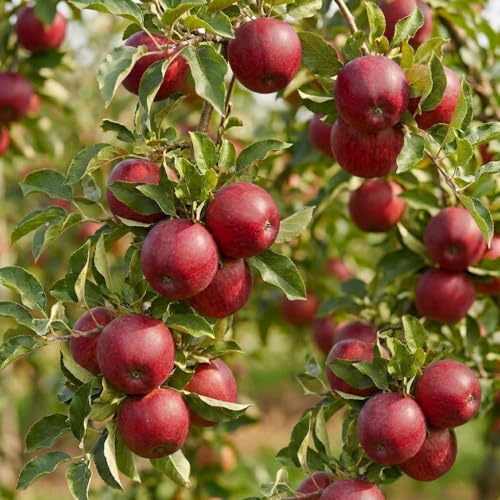
🍎 3 Live Apple Tree Saplings: Receive three healthy young apple tree saplings ready to plant and grow in your garden, backyard orchard, or container. Plants ship dormant (not leaves or fruit) in spring.
Hardiness Zones
North Carolina spans hardiness zones 6 to 8, indicating varying climate conditions. In the coastal regions, zones range from 8a to 8b, while the mountains often fall into zones 6b to 7a. Selecting fruit trees that thrive in your specific zone ensures better growth and fruit production.
For example:
- Zone 6: Suitable for apple trees, particular varieties like ‘Jonathan’ and ‘Cortland’.
- Zone 7: Ideal for peaches, such as ‘Elberta’ and ‘Red Haven’.
- Zone 8: Favorable for figs, including ‘Brown Turkey’ and ‘Celeste’.
Soil Types
Soil quality significantly impacts fruit tree success. North Carolina features a range of soil types, from sandy to clay loams. Well-drained, loamy soil with a pH between 6.0 and 7.0 supports healthy root development and fruit yield.
Consider these common soil types:
- Clay Soil: Retains moisture. Consider planting pears or cherries, which can manage moist conditions.
- Sandy Soil: Drains quickly. Opt for trees like peaches and strawberries that prefer drier roots.
- Loamy Soil: Balances drainage and nutrient retention. Excellent for growing apples and plums.
Test your soil to make necessary amendments, ensuring it aligns with the needs of your selected fruit tree varieties. Regular testing can keep nutrient levels optimal, improving growth and productivity.
Popular Fruit Trees
North Carolina supports a variety of fruit trees. Each type offers unique benefits and requires specific care. Here’s a closer look at some popular options.
Recommended Products

**Due to Agricultural Laws, we Cannot Ship to CA, AZ, AK, or HI- YOUR ORDER WILL BE CANCELED**

Live Fruit-Bearing Apple Tree – Grow your own Liberty apples, a disease-resistant variety known for its crisp texture, sweet-tart flavor, and deep red skin, perfect for fresh eating, baking, and cider-making

Due to agricultural laws, we are unable to ship CA, AZ, AK, or HI - orders will not ship to one of these states
Apples
Apple trees thrive in various North Carolina locations, particularly in zone 6. Your best choices include varieties like ‘Fuji,’ ‘Gala,’ and ‘Granny Smith.’ Plant these trees in well-drained, loamy soil with a pH around 6.0 to 7.0. Space them at least 15 to 20 feet apart for optimal air circulation. Regular pruning enhances fruit production and keeps the trees healthy.
Peaches
Peach trees flourish in warmer zones, primarily zone 7. Varieties such as ‘Elberta,’ ‘Red Haven,’ and ‘Contender’ perform well. These trees require full sun and benefit from sandy, well-draining soil. Ensure a spacing of about 20 feet between trees to promote airflow. Watering during dry spells and applying mulch will help maintain moisture levels around the roots.
Blueberries
Blueberries enjoy the acidic soil found in many parts of North Carolina, particularly in zones 6 to 8. Choose from ‘Bluecrop,’ ‘Legacy,’ or ‘Sharpblue’ varieties for best results. Plant these bushes in groups of at least two or three to improve pollination and fruit yield. Keep soil pH between 4.5 and 5.5, and use pine mulch to maintain acidity. Regular pruning encourages new growth and increases berry production.
Pears
Pear trees adapt well to various North Carolina environments, especially in zone 7. Consider varieties like ‘Bartlett,’ ‘Bosc,’ and ‘Kieffer.’ These trees prefer well-drained soil with a pH around 6.0 to 7.0. Space your pear trees about 15 to 20 feet apart for adequate growth. Regular watering during dry periods will support tree health and fruit development. Pruning helps shape the tree and reduces the chance of pests.
Lesser-Known Fruit Trees
Exploring lesser-known fruit trees can add diversity and unique flavors to your backyard. Here are some interesting options that grow well in North Carolina.
Persimmons
Persimmons thrive in North Carolina’s climate, particularly in zones 7 and 8. The American persimmon, Diospyros virginiana, is the most common variety. It requires well-drained soil and full sun for optimal growth. Persimmons bear fruit in late fall, letting you enjoy sweet, ripe fruit after the first frost. Plant at least two trees for better pollination and fruit set.
Figs
Figs flourish in the warmer regions, especially in zones 7 and 8. Common varieties include ‘Brown Turkey’ and ‘Celeste.’ These trees prefer well-drained, slightly acidic soil and full sun. Figs ripen in mid to late summer. Ensure adequate spacing to allow airflow and reduce the risk of disease. Prune annually to maintain structure and maximize fruit production.
Pomegranates
Pomegranates excel in the warmer parts of North Carolina, particularly in zone 8. The ‘Wonderful’ variety is popular for its large, juicy fruits. These trees thrive in well-drained soil and full sun. Besides drought-resistance, pomegranates require minimal maintenance. Expect fruiting in late summer to early fall. Regular watering during dry spells promotes better yield and fruit quality.
By choosing these lesser-known fruit trees, you diversify your harvest and enjoy unique flavors from your backyard.
Tips for Growing Fruit Trees in North Carolina
Choose the Right Varieties
Select fruit tree varieties suited for your specific hardiness zone. For zone 6, consider apple trees like ‘Fuji’ or ‘Gala.’ In zone 7, peach varieties such as ‘Elberta’ and ‘Red Haven’ excel. If you’re in zone 8, figs and pomegranates thrive well.
Planting Timing
Plant fruit trees in early spring or late fall. Early spring offers warm soil temperatures, promoting root growth. Late fall allows trees to establish roots before winter.
Spacing and Placement
Space your trees adequately for airflow and sunlight. Apple trees typically require 15 to 20 feet between them, while peach trees need 10 to 15 feet. Position trees in full sun, at least six hours a day, for optimal fruit production.
Soil Preparation
Test soil pH before planting. Aim for a pH between 6.0 and 7.0 for most fruit trees. Amend soil with organic matter to improve drainage and nutrient content. Ensure your planting site has well-drained, loamy soil.
Watering Practices
Water young fruit trees regularly, especially during dry spells. Deep watering encourages strong root systems. Once established, most trees prefer less frequent, deep watering rather than shallow, frequent watering.
Pruning Techniques
Prune trees in late winter or early spring before new growth starts. Remove dead or diseased branches and thin out crowded areas to enhance sunlight penetration. Proper pruning promotes healthy growth and better fruit production.
Pest and Disease Management
Regularly inspect trees for signs of pests and diseases. Use organic pest control methods where possible, and consult local agricultural extensions for region-specific advice. Maintaining a clean growing area reduces disease risk.
Fertilization Schedule
Fertilize your trees in early spring. Use a balanced fertilizer specifically formulated for fruit trees. Follow package instructions closely to avoid over-fertilization, which can harm your trees.
Harvesting Techniques
Pick fruit at the right time for optimal flavor. Test for ripeness by checking color, firmness, and taste. Harvest gently to avoid damaging the fruit and the tree. Enjoy the fruit or store it properly for later use.
By following these tips, you can cultivate a thriving fruit tree garden in North Carolina that yields delicious fruit for years to come.
Conclusion
Growing fruit trees in North Carolina can turn your backyard into a delicious paradise. With the right choices and a little care you can enjoy fresh apples peaches and figs right at home.
Remember to consider your local hardiness zone and soil conditions when selecting your trees. Whether you opt for popular varieties or try something unique like persimmons or pomegranates there’s a world of flavor waiting for you.
So grab your gardening gloves and get ready to cultivate a fruitful garden that’ll bring joy and tasty treats for years to come. Happy planting!
Frequently Asked Questions
What are the best fruit trees to grow in North Carolina?
North Carolina is ideal for a variety of fruit trees. Popular choices include apple trees (like ‘Fuji’ and ‘Gala’), peach trees (‘Elberta’ and ‘Red Haven’), cherry trees, fig trees (‘Brown Turkey’ and ‘Celeste’), and pawpaw trees. The specific varieties thrive well in the state’s diverse climate and soil conditions.
When is the best time to plant fruit trees in North Carolina?
The optimal times for planting fruit trees in North Carolina are early spring and late fall. These seasons provide the best conditions for root establishment before the heat of summer or the cold of winter.
How do I know my hardiness zone for planting fruit trees?
North Carolina’s hardiness zones range from 6 to 8. You can determine your specific zone by checking local gardening resources or zoning maps, which will help you select the most suitable fruit tree varieties for your area.
What soil conditions are ideal for fruit trees in North Carolina?
Fruit trees prefer well-drained, loamy soil with a pH between 6.0 and 7.0. It’s advisable to test your soil first and make necessary amendments to ensure optimal growth conditions for your trees.
How much space should I provide between fruit trees?
Proper spacing between fruit trees is essential for airflow and sunlight. A general rule is to space dwarf varieties about 6-8 feet apart, while standard varieties should be spaced 12-15 feet apart to allow for adequate growth.
What are the maintenance tips for thriving fruit trees?
Regular maintenance for healthy fruit trees includes proper watering, soil preparation, regular pruning to enhance airflow and shape, and pest/disease management. Additionally, follow a fertilization schedule suitable for the specific fruit tree varieties.
Can I grow lesser-known fruit trees in North Carolina?
Yes! North Carolina’s climate allows for growing lesser-known fruit trees like persimmons, pomegranates, and figs. These varieties can add diversity and unique flavors to your backyard garden, enhancing your harvest experience.
