

Ever wondered how long it takes for a lychee tree to start bearing those delicious, juicy fruits? If you’re dreaming of enjoying fresh lychees from your own backyard, you’re not alone. Many gardeners share the excitement of planting these tropical beauties, but patience is key.
Key Takeaways
- Lychee Tree Maturity: Lychee trees typically start bearing fruit within 3 to 5 years, depending on the variety and care provided.
- Optimal Growing Conditions: These trees thrive in warm, subtropical to tropical climates with well-draining soil, full sun exposure for 6-8 hours daily, and consistent moisture.
- Variety Matters: Different lychee varieties have varying fruiting times; for example, ‘Hak Ip’ can bear fruit in 3-4 years while ‘Brewster’ takes 4-5 years.
- Care Practices Influence Yield: Regular watering, fertilizing with potassium-rich fertilizers, and light pruning enhance fruit production and overall tree health.
- Harvesting Tips: Ripe lychees have vibrant red or pink skin and a sweet aroma; use sharp tools to harvest carefully and handle with care to avoid bruising.
Understanding Lychee Trees
Lychee trees are fascinating tropical plants known for their sweet, aromatic fruit. These trees require specific conditions to thrive and produce fruit within a certain timeframe.
Overview of Lychee Species
Several species of lychee exist, with Litchi chinensis being the most common for fruit production. This species is known for its juicy, red skin and tender white flesh. Varieties like ‘Hak Ip’ and ‘Brewster’ are popular among growers for their flavor and yield. Understanding these varieties helps you choose the right one for your climate and taste preferences.
Growing Conditions for Lychee Trees
Lychee trees thrive best in warm, subtropical to tropical climates. They require:
- Soil: Well-draining, sandy or loamy soil with a pH between 5.5 and 7.0. Amending soil with organic matter improves drainage.
- Sunlight: Full sun exposure for at least 6-8 hours daily. This ensures optimal growth and fruit production.
- Water: Consistent moisture, especially during the dry season. Avoid waterlogging, which can lead to root rot.
- Temperature: Temperatures between 68°F and 86°F are ideal. Protect young trees from frost during colder months.
Providing these conditions enhances the tree’s ability to bear fruit. When planted in suitable environments, lychee trees typically start producing fruit in about 3-5 years.
Timeframe for Fruit Bearing
Lychee trees produce fruit in a specific timeframe, often generating excitement for gardeners. Understanding the factors that influence this period can provide clarity and enhance your planting strategy.
Factors Affecting Fruit Bearing Time
- Variety: Different lychee varieties, like ‘Hak Ip’ or ‘Brewster,’ bear fruit at varying speeds. Some may start in about 3 years, while others take as long as 5 years.
- Growing Conditions: Optimal conditions are crucial. Full sun, well-draining soil, and proper moisture result in quicker fruit production. Inadequate light or poor soil can delay this process.
- Tree Age: Younger trees typically require more time to mature. Established trees are more likely to bear fruit sooner, usually around 3-4 years post-planting.
- Care Practices: Regular pruning and nutrient management can encourage earlier fruiting. Healthy trees thrive and contribute to faster yields.
| Variety | Time to Bear Fruit |
|---|---|
| ‘Hak Ip’ | 3-4 years |
| ‘Brewster’ | 4-5 years |
| ‘Kaimana’ | 5 years |
| ‘Sweetheart’ | 3-5 years |
Specific varieties can influence how quickly your tree produces fruit. Choosing the right type for your climate and care routine allows for a more fruitful experience.
Care and Maintenance
Caring for your lychee tree ensures healthy growth and fruit production. Focus on these key areas to keep your tree thriving.
Recommended Products

Made for Potassium Support – Formulated to supply potassium for essential plant nutrition.

PREMIUM QUALITY INGREDIENTS – Cz Garden Muriate of Potash is a water soluble, high purity, premium phosphate fertilizer for all indoor/outdoor flowers, lawn, and garden vegetables.

High Phosphorus & Potassium Fertilizer – Designed to deliver elevated phosphorus and potassium for targeted plant support.
Best Practices for Growing Lychee Trees
- Watering: Keep the soil consistently moist but not soggy. Water the tree deeply once or twice a week, depending on rainfall.
- Soil: Use well-draining, sandy loam soil enriched with organic matter. Regularly test soil pH, aiming for 5.5 to 7.0 for optimal growth.
- Sunlight: Position your tree in a location that receives full sun for at least 6-8 hours daily. This helps the tree develop strong fruiting habits.
- Fertilizing: Apply a balanced fertilizer every 4-6 weeks during the growing season. Focus on those high in potassium for better fruit quality.
- Pruning: Conduct light pruning to maintain shape and remove dead or weak branches. This encourages airflow and allows sunlight to reach all parts of the tree.
- Scale: Look for small, sticky spots on leaves. Treat infestations with horticultural oil.
- Whiteflies: These tiny insects can weaken your tree. Use insecticidal soap to control these pests.
- Root Rot: Overwatering causes root rot. Ensure proper drainage to avoid this issue.
- Leaf Spot: Prevent leaf spot diseases by spacing trees for airflow and avoiding overhead watering. If affected, remove infected leaves.
By implementing these care and maintenance tips, you create an optimal environment for your lychee tree to thrive and bear fruit efficiently.
Harvesting Lychee Fruit
Harvesting lychee fruit requires attention to ripeness and the right techniques to secure the best flavor. You’ll want to ensure optimal timing for picking, as this influences taste and texture.
Recommended Products
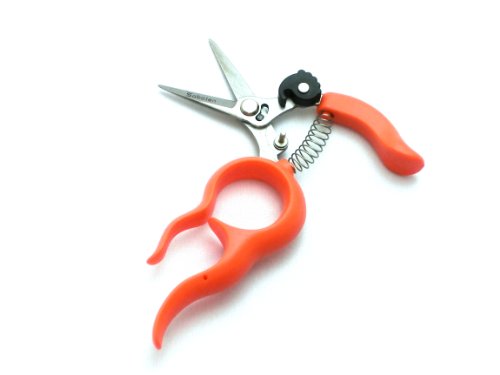
[Caution] Picture shown is 1318S.

Precision 1.75" Curved Blade for Detailed Cutting – Needle-nose curved blade design provides exceptional control for pruning in tight spaces, making it ideal for harvesting grapes, trimming herbs, thinning fruit, and deadheading delicate flowers.

Make Precise Cuts: Hand pruner is ideal for trimming, shaping and other quick snips on small plants. You can easily make precise cuts with one-hand and without damaging the other vital stems and branches of your other plants.
Indicators of Ripeness
Look for specific signs to determine when lychee fruit is ready for harvest:
- Color: Ripe lychees display a vibrant red or pink hue. Avoid fruit that remains green or has dull coloring.
- Texture: The skin should feel slightly bumpy and firm but yield under gentle pressure. Overly soft fruit may indicate overripeness.
- Aroma: A sweet, fragrant smell indicates ripeness. If the fruit lacks aroma, it likely needs more time on the tree.
Pick fruit that meets these criteria for the best flavor.
Harvesting Techniques
Employ these techniques for a successful lychee harvest:
- Use Sharp Tools: A pair of garden shears or scissors works best. This minimizes damage to the branches and surrounding fruit.
- Cut Stems Carefully: Avoid pulling fruit directly from the tree. Instead, cut the stem close to the fruit to prevent bruising.
- Harvest in Early Morning: Choose cool, dry mornings for harvesting. This helps preserve the fruit’s freshness and prevents moisture buildup.
- Handle with Care: After picking, place lychees gently into baskets or containers to avoid crushing them.
Following these steps ensures a fruitful harvest full of delicious lychee fruit.
Conclusion
Growing a lychee tree can be a rewarding journey filled with anticipation. While it may take a few years for your tree to start bearing fruit you can enjoy the process and learn along the way. By choosing the right variety and providing the right care you’ll set yourself up for success.
Remember that patience is key as you nurture your tree. With the right conditions and a bit of love your lychee tree will eventually reward you with its delicious fruit. So keep tending to your tree and look forward to those sweet, aromatic lychees in the years to come. Happy gardening!
Frequently Asked Questions
How long does it take for a lychee tree to produce fruit?
Typically, a lychee tree starts producing fruit within 3-5 years after planting. The exact timeframe can depend on the variety, with some like ‘Hak Ip’ bearing fruit in 3-4 years, while others, such as ‘Brewster,’ may take 4-5 years.
What are the ideal conditions for growing lychee trees?
Lychee trees thrive in well-draining sandy loam soil, require full sun exposure for 6-8 hours a day, and need consistent moisture. Maintaining the right temperature range and ensuring proper care enhances their growth and fruit production.
What care tips can help my lychee tree grow better?
To ensure healthy growth, keep the soil consistently moist and provide balanced fertilizers every 4-6 weeks during the growing season. Light pruning helps maintain tree shape and airflow, while monitoring for pests and diseases is crucial for tree health.
When is the best time to harvest lychee fruit?
The best time to harvest lychee is when the fruit shows bright color, the appropriate texture, and a sweet aroma. Harvesting in the early morning with sharp tools and careful cutting ensures quality and reduces damage to the fruit.
What pests and diseases should I be aware of with lychee trees?
Common pests include scale and whiteflies, while diseases such as root rot and leaf spot can occur. Regular monitoring, proper care, and timely interventions, like treatment with insecticidal soap or fungicides, can help prevent these issues.
