

Have you ever noticed your fruit trees struggling with pests or diseases? If you’re looking for a simple and effective way to protect your trees, spraying copper might be the answer. This time-tested method can help you keep your trees healthy and productive.
Key Takeaways
- Understanding Copper Sprays: Copper sprays are essential for protecting fruit trees from diseases such as fungal infections and bacterial infestations, enhancing overall health and yield.
- Timing is Crucial: The best time to apply copper is in early spring before new growth or after leaf drop in fall, ensuring effective disease prevention.
- Preparation Matters: Gather necessary equipment, wear protective gear, and select the appropriate copper formulation for optimal results in your spraying process.
- Application Techniques: Mix copper products according to manufacturer guidelines, spray in calm conditions, and ensure even coverage for maximum efficacy against pests and diseases.
- Post-Application Monitoring: Regularly inspect trees for signs of issues and adhere to reapplication schedules to maintain protection, especially during humid conditions.
Understanding Copper Sprays
Copper sprays play a crucial role in protecting fruit trees from various diseases. They offer a preventative measure that enhances tree health and productivity.
Recommended Products
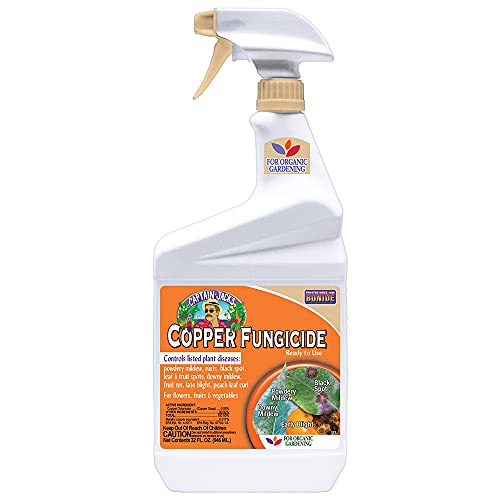
Control fungus and disease in your garden with Captain Jack’s ready-to-use Liquid Copper Fungicide!

Control fungus and disease in your garden with Captain Jack’s Liquid Copper Fungicide Concentrate!

Control fungus and disease in your garden with Captain Jack’s ready-to-spray Liquid Copper Fungicide!
Benefits of Copper on Fruit Trees
- Disease Control: Copper effectively combats fungal diseases, such as powdery mildew and blight. Incorporating copper sprays into your routine helps reduce disease occurrence.
- Bacterial Defense: Copper targets bacterial infections, protecting trees from infestations like fire blight. This preserves tree integrity and ensures better fruit quality.
- Promotes Growth: Using copper on fruit trees stimulates growth and improves fruit yield. Proper application encourages healthy foliage, which supports overall tree vitality.
- Safe for Organic Gardening: Copper products are approved for organic gardening, making them suitable for sustainable practices. They contribute to eco-friendly pest management strategies.
- Copper Sulfate: This common copper compound is effective against a variety of plant pathogens. It dissolves easily in water, making it suitable for spray applications.
- Copper Hydroxide: Known for its efficacy against fungal diseases, this product forms a protective barrier on the leaf surface. It’s popular due to its residual effectiveness.
- Bordeaux Mixture: This blend of copper sulfate and lime offers a broader spectrum of disease control. It’s a traditional method for managing fungal and bacterial diseases in fruit trees.
- Liquid Copper Fungicide: This ready-to-use product provides convenience. Its formulation allows for easy application while effectively controlling common tree diseases.
- Copper Oxychloride: This formulation combines copper with chlorine to enhance its protective qualities. It’s useful for preventative treatments before disease symptoms appear.
By understanding the benefits and types of copper products, you can make informed decisions to protect your fruit trees effectively.
Preparing for Application
Preparation is key for successful copper spraying on fruit trees. Timing, equipment, and safety considerations play vital roles in achieving the best results.
Recommended Products

Control plant common plant diseases in your home garden with Copper Fungicide Spray or Dust from Bonide!

USE YEAR ROUND - Our 3-in-1 product provides year-round protection against insects, mites, and diseases. Can be used at the dormant stage, green tip stage, delayed dormant stage, and during the growing season to prevent pest infestations and disease.

For control of disease on vegetables, ornamentals, Fruit and nut crops & algae in turfgrass
Choosing the Right Time
Choose to spray copper in early spring before new growth starts. The ideal window is when trees are dormant yet temperatures are above freezing. This timing helps prevent diseases and ensures better absorption. Avoid spraying during rain or strong winds, as these conditions can wash away the application or spread it unevenly. You can also spray after leaf drop in fall, which can help reduce lingering fungal spores.
Necessary Equipment and Safety Precautions
Gather the necessary equipment for a smooth application process. You’ll need:
- Protective Clothing: Wear gloves, masks, and goggles to shield against skin irritation and inhalation.
- Spray Equipment: Use a backpack sprayer, handheld sprayer, or garden hose attachment for even coverage.
- Copper Formulation: Choose the right copper product, like liquid copper fungicide or Bordeaux mixture, based on your specific needs.
Follow safety precautions to protect yourself and the environment. Always read and follow the manufacturer’s instructions on the copper product. Ensure that no animals or people are in the area during the application. Store unused copper products in a safe location, out of reach of children and pets.
By preparing adequately, you enhance the effectiveness of copper sprays and promote the health of your fruit trees.
Application Techniques
Applying copper sprays effectively requires careful preparation and technique. Proper mixing and even coverage make a significant difference in protecting your fruit trees.
Recommended Products

Control fungus and disease in your garden with Captain Jack’s ready-to-spray Liquid Copper Fungicide!

Neudorff Copper Fungicide Controls Listed Plant Diseases: Powdery Mildew, Rusts, Black Spot, Leaf & Fruit Spot, Downy Mildew, Fruit Rot, Late Blight, Peach Leaf Curl and Other Listed Diseases.

DISEASE CONTROL - Liqui-Cop, Copper-Count-N, is designed to prevent a wide variety of plant diseases including anthracnose, brown rot, blight, downy mildew, botrytis blight, leaf spot and many more.
Proper Mixing and Dilution
- Read Instructions: Always follow the manufacturer’s guidelines for mixing copper products. Each formulation has specific dilution rates.
- Use Clean Water: Use clean water at room temperature for mixing. Avoid using hard water that may contain minerals affecting efficacy.
- Mix Thoroughly: Stir the solution completely to ensure even distribution of copper throughout the mixture.
- Wear Gear: Use gloves and a mask during mixing to protect yourself from exposure to chemicals.
- Use a Sprayer: Choose a sprayer that suits your area size, such as a handheld sprayer for small trees or a backpack sprayer for larger areas.
- Spray on Calm Days: Avoid windy conditions when spraying. Wind can cause drift, reducing effectiveness and potentially harming non-target plants.
- Apply in a Cross Pattern: Spray in a grid or cross pattern, starting from the bottom of the tree to the top. This ensures all parts of the tree receive treatment.
- Inspect After Spraying: After application, check the foliage. Ensure that all leaves, branches, and trunks are evenly coated to maximize protection.
By following these techniques, you’ll help your fruit trees thrive while minimizing the risk of disease and pest issues.
Post-Application Care
After spraying copper on your fruit trees, caring for them is vital for maintaining their health.
Monitoring Tree Health
You should regularly inspect your fruit trees for signs of disease or pest issues. Look for discoloration, wilting, or spots on leaves and fruit. Check the overall vigor of your trees, as healthy trees are more resilient. If you spot any problems, take action quickly to address them. Keep a journal noting any changes in tree health for informed future applications.
Frequency of Reapplication
Reapply copper sprays as needed, typically every 7 to 14 days, depending on environmental conditions and disease presence. Focus on periods of high humidity or rainfall, as these create ideal conditions for fungal infections. Always follow the manufacturer’s recommendations for specific dilution and reapplication guidelines. If heavy rainfall occurs shortly after application, consider reapplying sooner to ensure continued protection.
Conclusion
Taking care of your fruit trees with copper sprays can make a big difference in their health and productivity. By following the right techniques and timing you’ll help protect your trees from pests and diseases while promoting better growth and fruit yield.
Regular monitoring and keeping a journal of your trees’ health will guide your future applications and ensure your efforts pay off. Remember to reapply as needed especially during wet conditions to maintain that protective barrier.
With a little effort and attention your fruit trees can thrive and reward you with bountiful harvests. Happy gardening!
Frequently Asked Questions
What challenges do fruit trees face?
Fruit trees often encounter pests and diseases that can threaten their health and productivity. Common issues include fungal diseases like powdery mildew and bacterial infections such as fire blight. Effective management is essential for maintaining robust fruit tree growth.
How does copper spraying help fruit trees?
Copper spraying is an effective method for preventing and controlling diseases in fruit trees. It helps combat fungal issues like blight and mildew, while also addressing bacterial infections. Additionally, copper promotes growth and increases fruit yield, making it suitable for sustainable gardening.
When is the best time to spray copper on fruit trees?
The ideal times to spray copper are early spring before new growth begins and after leaf drop in the fall. Spraying during these periods maximizes the effectiveness of copper in protecting trees from pests and diseases.
What equipment do I need for copper spraying?
To spray copper effectively, you will need protective clothing to safeguard yourself, appropriate spray tools such as a garden sprayer, and clean water for mixing. Ensuring you have the right equipment is crucial for safe and effective application.
How do I apply copper spray effectively?
For proper application, mix the copper product according to the manufacturer’s instructions, ensuring even coverage. Use an appropriate sprayer, spray on calm days to prevent drift, and inspect foliage afterward to guarantee that all tree parts are treated thoroughly.
How often should I reapply copper sprays?
Reapply copper sprays every 7 to 14 days, especially during periods of high humidity or rainfall. If heavy rain occurs shortly after spraying, it’s advisable to reapply sooner to maintain effective protection against pests and diseases.
What should I do after applying copper spray?
After applying copper spray, monitor your fruit trees regularly for any signs of disease or pest issues, such as discoloration or wilting. Keeping a journal can help you track changes in tree health and inform future applications for better management.
