

Have you ever dreamed of plucking fresh lemons right from your own garden? If so, you might be wondering how long you’ll have to wait before your lemon tree starts bearing fruit. It’s a common question among new gardeners, and the answer isn’t always straightforward.
Key Takeaways
- Time to Fruiting: Lemon trees typically produce fruit within 3 to 5 years, depending on their age and variety; some, like the Improved Meyer, may yield in just 1 to 2 years.
- Influential Factors: Growth rates are influenced by factors such as tree variety, age, pollination, sunlight, soil quality, and consistent watering.
- Care Practices: Regular watering (1 to 2 inches per week), balanced fertilization (every 4 to 6 weeks), and strategic pruning are essential for healthy growth and fruit production.
- Soil and Environment: Well-draining, loamy soil with a pH of 5.5 to 6.5 and a humid environment enhance lemon tree growth; adequate sunlight (8 to 10 hours daily) and ideal temperature (70°F to 100°F) are crucial.
- Challenges and Solutions: Monitor for pests and diseases, and manage environmental stressors like extreme temperatures and humidity fluctuations to ensure optimal health and fruit production.
Understanding Lemon Tree Growth
Lemon trees can take some time to bear fruit, and various factors influence this process. Understanding growth rate elements helps you nurture your tree effectively.
Factors Influencing Growth Rate
- Tree Age: Younger lemon trees typically require 3 to 5 years to produce fruit. Older trees, around 5 to 7 years, may yield more quickly.
- Tree Variety: Some varieties, like the Improved Meyer lemon, grow faster and may produce fruit within 1 to 2 years, while others might take longer.
- Pollination: Adequate pollination from bees or wind plays a role in fruit production. Lack of pollination can delay fruiting.
- Pruning: Regular pruning helps shape your tree and encourages better growth, enhancing fruit production.
- Fertilizer: Balanced fertilizers can boost growth and fruit yield. Applying them every 6 to 8 weeks during growing season has shown positive results.
- Sunlight: Lemon trees thrive in full sunlight, requiring at least 8 to 10 hours of direct sunlight daily for optimal growth.
- Temperature: Ideal temperatures range from 70°F to 100°F. Extreme cold or heat can stunt growth.
- Soil Quality: Well-draining, loamy soil rich in organic matter fosters healthy root development. Soil pH between 5.5 and 6.5 promotes nutrient absorption.
- Watering: Regular watering keeps your soil moist but not soggy. Deep watering encourages strong root growth. Aim for about an inch of water per week.
- Humidity: Lemon trees favor a humid environment. If you notice dry air, consider misting your tree regularly to maintain humidity levels.
Understanding these factors and ideal conditions allows you to care for your lemon tree better, promoting faster fruit production.
Timeline for Lemon Tree Fruiting
Lemon trees begin producing fruit based on various factors, including age and variety. Understanding these timelines helps you manage your expectations as you grow your tree.
Age of the Tree
Lemon trees typically start to bear fruit between 3 to 5 years old. Younger trees often require more time before they yield lemons. For example, a tree planted from seed might take longer, while a grafted tree can produce fruit sooner, often within 1 to 2 years. Remember that patience matters. Care for your tree diligently during these initial years to promote healthy growth.
Varieties of Lemon Trees
Different lemon tree varieties exhibit varied timelines for fruit production. Here are common types and their typical fruiting timelines:
- Eureka: Produces fruit within 3 years. This variety thrives in warm climates.
- Lisbon: Often fruits between 2 to 3 years. It’s a vigorous grower, ideal for home gardens.
- Meyer: Fruiting occurs around 1 to 2 years. This sweet lemon is perfect for smaller spaces.
Consider selecting a variety that best suits your growing conditions and timeline preferences. Keep in mind that environmental factors, such as sunlight and soil quality, also impact fruiting frequency.
Care and Maintenance for Optimal Fruiting
Caring for your lemon tree involves consistent attention to watering, fertilization, and pruning. This maintenance supports healthy growth and boosts fruit production.
Recommended Products

Made for Lemon & Citrus Trees – Formulated to support healthy growth in lemon and citrus plants.

Essentials for Fruit Production- With a balanced NPK of 6-3-3 we made sure to pack this liquid plant food with all the important macronutrients such as nitrogen, phosphorus, and potassium plus micronutrients like zinc and manganese

🍋 BALANCED 6-4-6 FORMULA FOR LEMON TREES: Give your lemon trees the nutrients they need with this professional 6-4-6 fertilizer blend designed specifically for lemon trees and fruit production. This balanced lemon tree fertilizer supports strong roots, leafy green growth, healthy flowering, and improved lemon fruit development for lemon trees grown indoors or outdoors in pots, patios, gardens, and landscape plantings.
Watering and Fertilization
Watering consistently plays a vital role in your lemon tree’s health. Water the tree deeply once a week during dry spells, allowing the soil to dry slightly between watering sessions. Aim for 1 to 2 inches of water per week, adjusting as necessary for your climate. Use well-draining soil to prevent root rot.
Fertilization promotes growth and fruiting. Choose a balanced fertilizer with a ratio of 6-6-6 or 8-8-8. Apply it every 4 to 6 weeks during the growing season from spring to early fall. Granular or liquid options work well. If using a liquid fertilizer, dilute it according to package instructions for optimal results.
Pruning Techniques
Pruning enhances air circulation and encourages productive growth. Start by removing dead or damaged branches. Trim back any crowded areas to allow light and airflow to reach inner parts of the tree. Focus on pruning in late winter or early spring before new growth begins.
Use sharp, clean pruning shears to make clean cuts. Aim to maintain an open canopy shape, which improves sunlight exposure. Regularly remove suckers that grow from the base of the trunk; they divert energy from fruit production. Aim for a balanced shape to support overall health and fruit yield.
Common Challenges and Solutions
Growing lemon trees can come with challenges that affect their ability to produce fruit. Addressing these issues ensures healthier trees and better yields.
Recommended Products
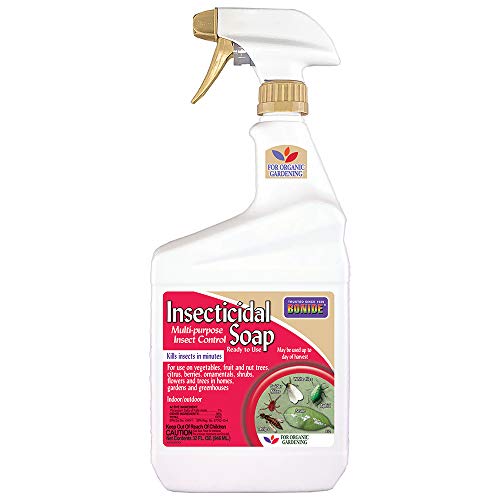
Captain Jack's Insecticidal Super Soap controls species of adelgid, ant, aphid, borer, caterpillar, spider mite, cricket, chinch bug, weevil, fly, thrip, and more

PEST DEFENSE - Insecticidal Super Soap controls species of adelgid, ant, aphid, borer, caterpillar, spider mite, cricket, chinch bug, weevil, fly, thrip, & more.

INSECT KILLER - This pest control is great for use on beetles, fruit flies, caterpillars, mealybugs, spider mites, thrips, scale, leafhoppers, and other pests. Our pesticide delivers fast results.
Pests and Diseases
Pests and diseases can significantly impede the growth of lemon trees. Common pests like aphids, spider mites, and scale can weaken the tree’s health. Prevent these problems by regularly inspecting your tree for signs of infestation.
- Use insecticidal soap: Spray affected areas to control pest populations.
- Introduce beneficial insects: Ladybugs and lacewings can help keep pests in check.
- Check for diseases: Look for yellowing leaves or unusual spots, as these may indicate fungal infections or diseases like citrus greening.
Maintaining tree health through proper care will minimize vulnerability to pests and diseases.
Environmental Stressors
Environmental factors play a crucial role in the growth and fruit production of lemon trees. Stressors like extreme temperatures, humidity fluctuations, and improper watering can hinder development.
- Monitor temperature: Lemon trees thrive in temperatures between 70°F and 85°F. Protect your tree from frost using blankets or covering it on chilly nights.
- Ensure adequate humidity: If you live in a dry area, consider misting your tree or placing a humidifier nearby.
- Water consistently: Water deeply once a week to maintain soil moisture. Avoid overwatering, as this can lead to root rot.
By recognizing and addressing these environmental stressors, you promote a healthier lemon tree with improved fruit production.
Conclusion
Growing a lemon tree can be a rewarding journey filled with patience and care. While it may take a few years for your tree to bear fruit you can speed up the process by choosing the right variety and providing the best conditions.
With proper watering fertilization and pruning you’ll create an environment that encourages healthy growth. Remember to keep an eye out for pests and environmental stressors that could impact your tree’s progress.
Before you know it you’ll be enjoying the fruits of your labor with fresh lemons right from your garden. Happy gardening and may your lemon tree thrive!
Frequently Asked Questions
How long does it take for a lemon tree to produce fruit?
A lemon tree typically starts bearing fruit between 3 to 5 years old. However, if you’re planting from seed, it may take longer. Grafted varieties can yield fruit much sooner, within 1 to 2 years depending on the type.
What factors influence lemon tree fruit production?
Fruit production in lemon trees is influenced by several factors including the age and variety of the tree, pollination, sunlight, soil quality, watering, temperature, humidity, fertilization, and pruning practices.
What is the best lemon tree variety for quick fruiting?
The Meyer lemon variety is the quickest to bear fruit, taking about 1 to 2 years. The Lisbon type fruits in 2 to 3 years, while the Eureka variety typically produces fruit in about 3 years.
How can I promote healthy growth in my lemon tree?
To promote healthy growth, ensure your tree receives adequate sunlight, consistent watering (deeply once a week), well-draining soil, and a balanced fertilizer every 4 to 6 weeks during the growing season.
What are common pests that affect lemon trees?
Common pests include aphids and spider mites. To manage these pests, consider using insecticidal soap or introducing beneficial insects like ladybugs, which can help control their populations.
How should I prune my lemon tree?
Pruning should focus on removing dead or damaged branches and maintaining an open canopy to enhance air circulation. This will help improve sunlight exposure and overall tree health, leading to better fruit production.
