

Have you ever admired the stunning blooms of a flowering cherry tree and wondered if it produces fruit? You’re not alone! Many people appreciate these beautiful trees for their vibrant flowers but might be curious about their fruit-bearing capabilities.
Key Takeaways
- Flowering Purpose: Flowering cherry trees are primarily grown for their aesthetic appeal, featuring stunning blooms that attract admirers during spring.
- Limited Fruit Production: Most varieties produce small, inedible fruits that lack the sweetness of cultivated cherries; if fruit is desired, opt for sweet or sour cherry tree varieties.
- Species Variations: Different species of flowering cherry trees exhibit unique flowering characteristics and fruiting capabilities, such as Prunus serrulata and Prunus subhirtella.
- Environmental Factors: Successful fruiting depends on species type, pollination, and overall tree health; optimal climatic conditions promote better development.
- Landscaping Utility: These trees enhance landscapes with visual interest, drawing pollinators and providing seasonal color, making them versatile additions to gardens.
- Cultural Significance: Flowering cherry trees hold cultural importance and symbolize renewal, offering educational opportunities as well as aesthetic value in communities.
Overview of Flowering Cherry Trees
Flowering cherry trees, belonging to the Prunus genus, are celebrated for their beautiful pink or white blooms that signal the arrival of spring. You might see these trees in parks, streets, and gardens, adding stunning aesthetics to any landscape.
These trees primarily serve ornamental purposes. They attract visitors and photographers during blooming season. Various species, such as the Yoshino cherry (Prunus × yedoensis) and the Kwanzan cherry (Prunus serrulata ‘Kwanzan’), exhibit unique flower structures and colors, enhancing their appeal.
While you may wonder about the fruiting capability of flowering cherry trees, most varieties are bred mainly for their flowers. Some species do produce small fruits. However, these cherries are not typically consumed. They lack the sweetness found in cultivated cherries like Bing or Rainier.
If you seek a fruit-bearing tree, consider planting species like the sweet cherry (Prunus avium) or sour cherry (Prunus cerasus). These varieties will offer not just beauty but also a delicious harvest.
Flowering cherry trees enchant with their blooms, while fruit production is typically limited and not suitable for eating. Focus on specific cherry varieties if you desire fruit alongside beauty.
Types of Flowering Cherry Trees
Flowering cherry trees come in different species, each showcasing unique attributes. Understanding these species helps you appreciate their beauty and flowering characteristics.
Recommended Products
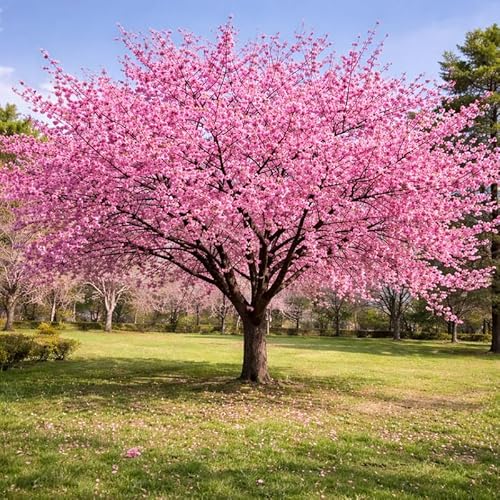
WHAT YOU WILL RECEIVE: 1 Cherry blossom tree live plant approximately 6 - 10 inches tall, prepared for transplanting into garden soil or outdoor containers

[Lush Double Blooms in Mixed Shades] Produces clusters of fully double flowers with 10-30 petals per bloom. Flowers appear in a range of shades from soft pink to rich rose. Each branch becomes covered in cascading floral clusters.
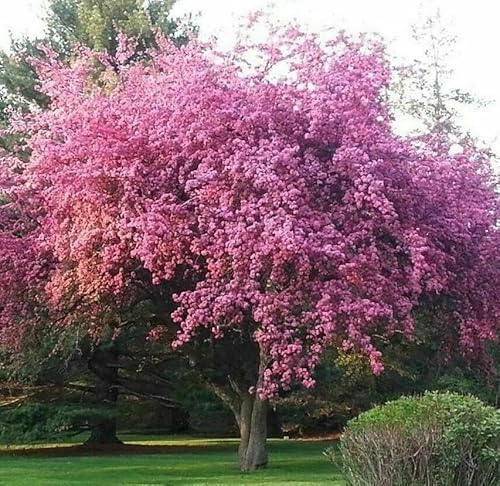
For sale is one kwanzan cherry tree that is approximately 8-14" tall and shipped in a 2.5" pot
Prunus Serrulata
Prunus serrulata, commonly known as the Japanese cherry, is famous for its breathtaking blossoms. This species features pink flowers, which bloom in late March to early April, creating a stunning spectacle. The Yoshino cherry, a notable variety of Prunus serrulata, boasts white to light pink flowers and grows tall, making it a popular choice for parks and streets. While it produces small drupes, the fruit lacks sweetness and is not typically edible.
Prunus Subhirtella
Prunus subhirtella, also known as the weeping cherry, offers cascading branches adorned with pale pink flowers. These blossoms appear in early spring, adding elegance to any landscape. The Higan cherry, a well-known variety, can produce small fruit, but like other flowering cherries, it’s not suitable for consumption due to its tartness. The weeping form is particularly popular for its dramatic look, making it a favorite in gardens and public spaces.
These flowering cherry trees captivate you with their blooms while highlighting their ornamental value rather than fruit production.
Fruit Production in Flowering Cherry Trees
Flowering cherry trees are renowned for their stunning blooms, but their fruit production raises questions. While some species do produce small fruits, these cherries aren’t typically suitable for consumption.
Factors Affecting Fruit Production
Environmental conditions play a significant role in fruit production. Factors include:
- Species Type: Certain species naturally yield more fruit. Examples like Prunus subhirtella and Prunus serrulata produce small drupes, but the edibility varies.
- Pollination: Successful fruiting often requires cross-pollination. Trees that attract pollinators will generally produce more fruit.
- Climate Conditions: Temperature and sunlight impact flowering and fruiting. Consistent warmth may encourage better development.
- Tree Health: Proper care affects overall health, influencing fruit production. Healthy trees with adequate nutrients tend to perform better.
Differences Between Flowering and Fruiting Varieties
Understanding the distinctions between flowering and fruiting varieties helps clarify fruit production potential. Here’s a breakdown:
- Flowering Varieties: These trees, like the Kwanzan cherry, emphasize aesthetics. They bloom profusely but produce little to no edible fruit.
- Fruiting Varieties: Trees such as sweet cherries (Prunus avium) and sour cherries (Prunus cerasus) bloom beautifully and produce larger, sweeter fruits, ideal for consumption.
Choosing the right type of cherry tree aligns with your gardening goals. If you seek ornamental beauty, opt for flowering varieties. For a harvestable crop, consider selecting a fruiting variety.
Benefits of Flowering Cherry Trees
Flowering cherry trees offer various benefits, making them a popular choice for gardens and landscapes.
Aesthetic Appeal
Flowering cherry trees enhance visual interest with their stunning blooms. They display vibrant pink and white flowers during spring, attracting visitors and providing a picturesque backdrop.
Attracting Pollinators
Flowering cherry trees draw in pollinators like bees and butterflies. These insects play a crucial role in supporting local ecosystems by pollinating nearby plants and flowers.
Seasonal Interest
Enjoy the changing seasons with flowering cherry trees. In addition to their springtime blooms, many varieties provide beautiful autumn foliage, adding color to your landscape throughout the year.
Landscaping Versatility
Use flowering cherry trees in various landscaping designs. They work well as focal points, border plants, or to soften hard edges. Their low maintenance needs contribute to their attractiveness for homeowners.
Wildlife Habitat
Flowering cherry trees offer a habitat for various birds and beneficial insects. Birds may nest among the branches, while the trees provide shelter and food sources for wildlife.
Cultural Significance
Incorporate flowering cherry trees into cultural events or community gatherings. These trees often symbolize renewal and the transient nature of life, celebrated in many cultures around the world.
Educational Opportunities
Utilize flowering cherry trees for educational purposes. They offer a hands-on experience for learning about horticulture, botany, and environmental science, making them perfect for schools and community programs.
These benefits illustrate how flowering cherry trees can enhance your garden while supporting the surrounding environment. Consider adding one to your landscape for both beauty and functionality.
Conclusion
Flowering cherry trees are a beautiful addition to any garden with their stunning blooms and seasonal charm. While they may not produce edible fruit like their fruiting counterparts, they still offer plenty of benefits. Their vibrant flowers attract pollinators and create a picturesque landscape that can brighten up your outdoor space.
If you’re looking for a tree that combines beauty with the potential for a delicious harvest, consider exploring sweet or sour cherry varieties. Whichever you choose, you’ll enjoy the unique qualities that cherry trees bring to your garden.
Frequently Asked Questions
Do flowering cherry trees produce edible fruit?
While some flowering cherry trees do produce small fruits, they are generally not edible due to their lack of sweetness. Most flowering cherries, like the Yoshino and Kwanzan, are primarily ornamental and focus on stunning blooms rather than fruit production.
What are the best cherry varieties for fruit?
If you’re looking for cherry trees that produce delicious fruit, consider sweet or sour cherry varieties. These trees, unlike flowering cherries, yield larger, sweeter fruits suitable for eating and baking.
What is the most popular type of flowering cherry tree?
The Yoshino cherry is one of the most popular flowering cherry trees, prized for its stunning white to light pink blossoms. Other favorites include the Kwanzan cherry, known for its vibrant pink flowers, and the weeping cherry (Prunus subhirtella), celebrated for its beautiful cascading branches.
How do flowering cherry trees benefit the environment?
Flowering cherry trees support the environment by attracting pollinators like bees and butterflies, providing habitats for wildlife, and enhancing biodiversity. They also improve soil quality and contribute to seasonal beauty in landscapes.
Are flowering cherry trees easy to maintain?
Yes, flowering cherry trees are relatively low maintenance, making them ideal for homeowners. They thrive in various soil types and require minimal pruning, along with moderate watering and sunlight, to flourish in gardens.
What factors affect fruit production in cherry trees?
Fruit production in cherry trees can be influenced by species type, pollination, climate conditions, and overall tree health. Flowering varieties focus on aesthetics, while fruiting varieties are bred for effective fruit yield.
