

Have you ever thought about planting your own fruit tree in Indiana? With its unique climate and soil conditions, the state offers some fantastic options for growing delicious fruits right in your backyard. Whether you’re dreaming of juicy apples or sweet peaches, knowing which trees thrive here can make all the difference.
Key Takeaways
- Diverse Fruit Options: Indiana supports a variety of fruit trees, including apples, peaches, pears, cherries, and plums, which thrive in the state’s unique climate and soil conditions.
- Growing Conditions: Select fruit trees suited to Indiana’s hardiness zones (USDA zones 5 to 6) and ensure they receive ample sunlight (at least six hours daily) for optimal growth.
- Soil Quality: Well-draining, organic-rich soil is essential for fruit tree health; conducting soil tests can guide necessary amendments for nutrient balance.
- Pollination Considerations: Some trees, like apples, require cross-pollination for fruit production; research compatible species to plant together for a fruitful harvest.
- Ongoing Care: Regular watering, annual pruning, and disease monitoring are vital practices that promote healthy growth and optimize fruit yield.
- Lesser-Known Varieties: Consider planting less common fruit trees, like persimmons and pawpaws, for unique flavors, which also thrive in Indiana’s climate.
Overview of Fruit Trees in Indiana
You can grow a variety of fruit trees in Indiana, thanks to its suitable climate and fertile soil. Here’s a closer look at some popular options:
Common Fruit Trees
- Apple Trees: Apples thrive in Indiana. Consider hardy varieties like Honeycrisp and Granny Smith for best results.
- Peach Trees: Peaches enjoy warm summers. Varieties such as Red Haven and Elberta perform well across the state.
- Pear Trees: Pears adapt well to Indiana’s climate. Look for varieties like Bartlett and Bosc to ensure a fruitful harvest.
- Cherry Trees: Sour cherries, like Montmorency, are easier to grow than sweet varieties. They provide great flavor for pies and preserves.
- Plum Trees: Consider growing European plums like Stanley. They flourish well in Indiana’s conditions.
Growing Conditions
You should focus on selecting trees that adapt to Indiana’s hardiness zones. The state ranges from USDA zone 5 to 6, influencing your options. Many fruit trees need full sun, with at least six hours of direct sunlight daily.
Soil Requirements
The right soil type plays a vital role in tree health. Most fruit trees prefer well-draining soil, ideally rich in organic matter. Testing your soil helps determine its pH level and nutrient content, guiding your improvement efforts.
Pollination Needs
Some fruit trees need cross-pollination to produce fruit. For example, apple trees often require pollen from another variety. Research your selected trees to ensure you plant compatible species together for a successful yield.
Care and Maintenance
Proper care ensures your fruit trees thrive. Regular watering, especially during dry spells, helps establish strong roots. Annual pruning promotes healthy growth and increases fruit production. Fertilizing in early spring, using a balanced fertilizer, supports vigorous growth.
Disease and Pest Management
You may encounter specific pests or diseases affecting fruit trees. Monitor your trees for signs of trouble, such as yellowing leaves or unusual growth. Implement preventative measures like proper spacing and timely pruning to minimize risks.
By choosing the right varieties and diligently caring for your fruit trees, you’re positioned to enjoy bountiful harvests in Indiana.
Suitable Climate and Soil Conditions
Indiana’s climate and soil conditions make it a prime location for growing various fruit trees. Understanding these aspects is crucial for successful cultivation.
Temperature Considerations
Temperatures across Indiana typically range from average summer highs of 85°F to winter lows around 20°F. These temperature variations allow for a diverse selection of fruit trees. Apple trees such as Honeycrisp thrive well in this range, while peach varieties like Red Haven prefer slightly warmer conditions. It’s essential to choose varieties that align with local averages, ensuring trees can withstand cold snaps and heatwaves.
Soil Types for Fruit Trees
Soil quality directly influences fruit tree health. Indiana features a mix of soil types, including loamy, clay, and sandy soils. Ideally, fruit trees require well-draining, moderately fertile soil. You can amend clay soil with organic matter to enhance drainage and nutrient content. Apple trees adapt to various soil types, while pears like Bartlett prefer slightly acidic conditions. Conducting a soil test can determine pH levels and provide guidance on necessary adjustments for optimal growth.
Popular Fruit Trees in Indiana
Indiana’s climate supports a variety of fruit trees that thrive in its hardiness zones. Here are some popular options to consider for your garden.
Apples
Apples grow well in Indiana, with varieties like Honeycrisp, Granny Smith, and Fuji topping the list. Choose trees that fit the region’s hardiness zones (USDA zones 5 to 6). Ensure they get full sunlight, ideally 6 to 8 hours daily. Cross-pollination is vital for many apple varieties, so plant at least two different types nearby. Prune regularly to encourage healthy growth and reduce pest issues.
Pears
Pears adapt easily to Indiana’s soil types. Varieties such as Bartlett and Bosc offer excellent fruit quality. Plant them in well-draining soil enriched with organic matter. Pears also thrive in full sun, requiring similar care as apples. Be mindful of common pests, like pear psylla; regular monitoring and treatment can keep your trees healthy.
Peaches
Warm-weather peaches, such as Red Haven and Elberta, flourish in Indiana. These trees require sunlight and well-draining soil, allowing roots to thrive. Regular watering during dry spells is essential, especially in the early growing season. Peaches need adequate space for air circulation to prevent diseases. Prune branches to maintain shape and encourage fruit production.
Cherries
Sour cherries, like Montmorency, perform well in Indiana’s climate. They enjoy full sun and prefer loamy soils for optimal growth. Cherries typically need less maintenance than other fruit trees, but be cautious of birds that may feast on the ripe fruit. Installing netting or row covers protects your harvest. Pruning helps manage size and promotes better air circulation, important for disease prevention.
Lesser-Known Fruit Trees
Consider adding lesser-known fruit trees to your garden in Indiana for variety and unique flavors. Two excellent options are persimmons and pawpaws.
Persimmons
Persimmons thrive in Indiana’s climate and are often overlooked. An ideal choice is the American persimmon (Diospyros virginiana), which grows well in USDA zones 5 to 9. These trees prefer well-drained soil and full sun.
Fruits typically ripen in late fall and can stay on the tree into winter. The sweet, honey-like flavor becomes pronounced after the fruit softens. To plant persimmons, ensure you select a male and female for cross-pollination, which boosts fruit production. Maintain regular watering during dry spells, and monitor for pests like aphids.
Pawpaws
Pawpaws (Asimina triloba) are another unique option for Indiana gardens. Known as America’s largest native fruit, pawpaws grow well in areas with partial shade and rich, well-drained soil. USDA zones 5 to 8 suit them best.
The fruits ripen between late summer and early fall, featuring a custard-like texture and banana-like taste. Plant pawpaws in groups to improve pollination and fruit set. Regular watering helps establish young trees, while mulching retains soil moisture and suppresses weeds. Keep an eye out for leaf spot disease, ensuring good air circulation around your trees.
Exploring these less common fruit trees can enrich your garden experience and provide delicious, homegrown fruits.
Tips for Growing Fruit Trees in Indiana
Growing fruit trees in Indiana can be rewarding. You can enjoy fresh, homegrown fruits by following some essential tips.
Recommended Products

🍎 3 Live Apple Tree Saplings: Receive three healthy young apple tree saplings ready to plant and grow in your garden, backyard orchard, or container. Plants ship dormant (not leaves or fruit) in spring.

Persimmon tree adds edible fruit, seasonal foliage, and natural beauty to home gardens and outdoor landscapes
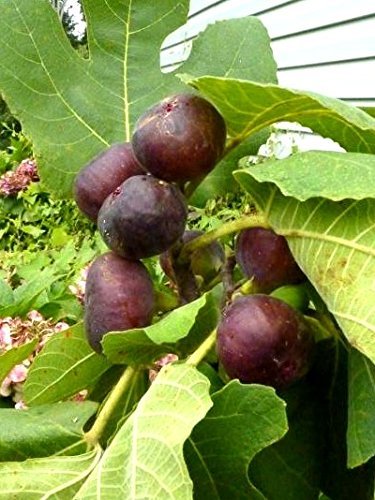
Includes Four Plants of "Chicago Hardy" Fig Trees with 4 Hello Organic Plant Tags. These are 2 inch rooted plants shipped in 2 inch tray pots and are 2-5 inches tall.
Planting Best Practices
- Select the Right Location: Choose a spot with full sun exposure, ideally 6 to 8 hours of direct sunlight daily.
- Prepare the Soil: Aim for well-draining, nutrient-rich soil. Test the soil’s pH level to ensure it’s between 6.0 and 7.0. Amend as needed with organic matter.
- Choose Hardy Varieties: Opt for fruit tree varieties suited to your USDA zone, like Honeycrisp apples or Red Haven peaches.
- Plant at the Right Time: Plant trees in early spring or fall for optimal growth. Ensure the ground isn’t frozen for planting.
- Dig the Right Hole: Dig a hole twice the width of the root ball and equal to its depth. This encourages healthy root growth.
- Monitor Regularly: Inspect your trees weekly for signs of pests or diseases. Early detection is key to effective treatment.
- Implement Cultural Practices: Maintain tree health through proper watering, mulching, and pruning. Healthy trees resist pests better.
- Use Integrated Pest Management (IPM): Combine biological, cultural, and chemical methods. For instance, attract beneficial insects while using organic insecticides as needed.
- Prune Properly: Prune fruit trees during dormancy to remove dead or diseased branches, which can help prevent pests and pathogens.
- Stay Educated: Familiarize yourself with common pests like aphids and diseases such as apple scab. Resources from your local extension office can offer valuable information.
By applying these best practices in planting and pest management, you enhance your success in growing fruit trees in Indiana.
Conclusion
Growing fruit trees in Indiana can be a rewarding experience that fills your garden with beauty and delicious produce. By choosing the right varieties and giving them the care they need you can enjoy fresh fruit right from your backyard.
Remember to consider factors like sunlight, soil quality, and pollination requirements to ensure your trees thrive. Whether you opt for classic apples and peaches or venture into less common options like persimmons and pawpaws there’s a world of flavors waiting for you.
With a little patience and dedication your Indiana garden can become a fruitful paradise that you can enjoy for years to come. So grab your gardening gloves and get started on your fruit tree journey!
Frequently Asked Questions
What are the best fruit trees to plant in Indiana?
In Indiana, popular fruit trees include apples like Honeycrisp and Granny Smith, peaches such as Red Haven and Elberta, adaptable pears like Bartlett and Bosc, sour cherries like Montmorency, and European plums like Stanley. These varieties thrive well in Indiana’s climate and soil conditions.
How do I choose the right fruit trees for Indiana?
Choose fruit trees that are suitable for Indiana’s USDA hardiness zones (5 to 6). Consider trees that can handle local temperature fluctuations and ensure they require appropriate sunlight and well-draining, nutrient-rich soil for optimal growth.
Do fruit trees in Indiana require cross-pollination?
Yes, some fruit trees, especially apples, require cross-pollination to produce fruit. Plant different varieties in proximity to increase pollination chances and improve fruit set for better harvests.
What soil conditions are ideal for fruit trees in Indiana?
Fruit trees in Indiana thrive in well-draining, moderately fertile soil. Conducting a soil test can help determine pH levels and necessary amendments, ensuring the best conditions for growth.
How can I maintain healthy fruit trees in Indiana?
Regular maintenance practices include adequate watering, annual pruning, proper fertilization in spring, and monitoring for pests and diseases. Implementing integrated pest management (IPM) will also support tree health.
What lesser-known fruit trees can I grow in Indiana?
Consider planting lesser-known fruit trees like American persimmons and pawpaws. Both can thrive in Indiana, with persimmons needing male and female trees for cross-pollination, while pawpaws grow well in partial shade and rich soil.
When is the best time to plant fruit trees in Indiana?
The best time to plant fruit trees in Indiana is during the spring after the last frost. This allows the trees to establish their roots before the heat of summer, promoting healthy growth.
What are the climate conditions for fruit trees in Indiana?
Indiana experiences a diverse climate, with summer highs around 85°F and winter lows around 20°F. These conditions allow for a variety of fruit trees to thrive, so choose varieties that can withstand these temperature variations.
