

Ever wondered if fall is the right time to prune your fruit trees? You’re not alone. Many gardeners face this dilemma as the leaves begin to change and the harvest wraps up. Pruning can feel overwhelming, especially when you’re unsure about the best timing.
Key Takeaways
- Pruning Timing: Fall pruning is possible but not ideal; winter pruning is generally recommended for better tree health and growth.
- Benefits of Pruning: Pruning promotes tree health by removing dead or diseased branches, enhances fruit yield, and prevents overcrowding.
- Best Practices: Use sharp tools, make clean cuts, and prioritize removing dead, diseased, or damaged wood for effective pruning.
- Risks of Fall Pruning: Pruning in the fall can expose trees to winter damage and may stress them, making them vulnerable to pests and diseases.
- Alternative Seasons: Spring and summer are excellent times for pruning, as they support robust growth while minimizing stress on the tree.
- Essential Tools: Having the right tools, such as pruning shears, loppers, and safety gear, is crucial for effective and safe pruning.
Understanding Pruning and Its Importance
Pruning plays a crucial role in maintaining fruit trees. It encourages healthy growth, enhances fruit quality, and helps manage tree size. When you prune correctly, you promote airflow and sunlight exposure, preventing disease and pests.
Benefits of Pruning
- Promotes Health
Pruning removes dead or diseased branches, boosting the tree’s vitality. Healthy trees produce better fruits. - Improves Yield
Proper pruning increases fruit production. Fewer branches mean more energy for the remaining branches to bear fruit. - Shapes the Tree
Pruning helps to shape your tree. A well-structured tree supports better fruit development and makes harvesting easier. - Prevents Overcrowding
Thinning branches prevents overcrowding. This allows light and air to reach all parts of the tree.
Best Practices for Pruning
- Use Sharp Tools
Always use sharp, clean tools to make precise cuts. This reduces damage to the tree. - Prune at the Right Time
The best time to prune fruit trees varies by type. Most trees benefit from winter pruning, promoting fresh growth in spring. - Make Clean Cuts
Cut just above a bud, at a slight angle. Clean cuts heal faster and reduce disease risk. - Follow the Three D’s
Remove dead, diseased, or damaged wood first. This prioritizes the tree’s health.
- Can you prune fruit trees in the fall?
Fall pruning is possible, but it’s not optimal. Late-season cuts can expose trees to winter weather, damaging new growth. - What tools do you need?
Essential tools include pruning shears, loppers, and saws. Each tool serves a specific purpose, ensuring effective pruning. - How much should you prune?
Avoid over-pruning. Aim to remove about 20-30% of the tree’s canopy, focusing on the weaker branches.
Understanding these pruning fundamentals enhances your gardening success. Every cut contributes to a healthier, more productive tree.
Can You Prune Fruit Trees in the Fall?
You can prune fruit trees in the fall, but it’s not the ideal time. It’s essential to weigh the benefits against the risks before deciding.
Benefits of Fall Pruning
- Improved Visibility: Pruning in fall allows you to see the tree’s structure better after leaves drop.
- Stimulated Growth: Cutting back some branches may encourage new growth in the spring.
- Disease Management: Removing dead or diseased wood helps prevent diseases from spreading during the dormant season.
- Winter Damage: Pruning can expose fresh cuts to harsh winter weather, increasing the risk of damage.
- Stress on Trees: Trees stressed by fall pruning may become vulnerable to pests and diseases over the winter.
- Shocking the Tree: The tree might shock from the removal of too much foliage, disrupting its natural cycle.
Understanding the potential benefits and risks associated with fall pruning helps you make an informed decision for your fruit trees.
Best Practices for Fall Pruning
Fall pruning can help maintain healthy fruit trees, but it requires following best practices to ensure tree vitality. Proper tools and techniques play a vital role in this process.
Recommended Products
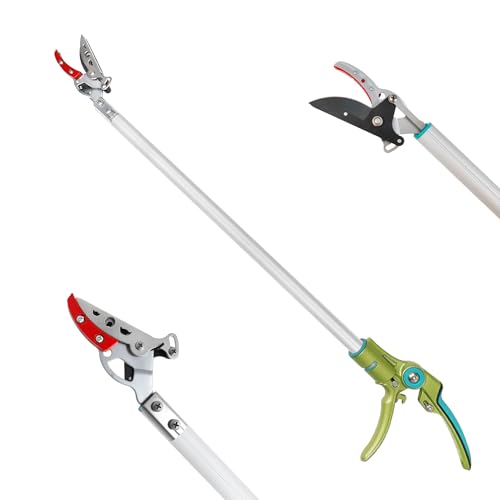
[REACH HIGH & STAY SAFE](No Ladder Required) Say goodbye to wobbly ladders! This 32inch long reach pole pruner offers an extra 30 inches of safe reach, allowing you to prune high branches or tall fruit trees while standing firmly on the ground. It’s the perfect extension tool for maintaining your backyard without the risk of falling.

1:EXTENDABLE REACH FOR LADDER-FREE SAFETY – Acting as both a reliable tree pruner and a fruit picker pole, this tool effortlessly extends from 3.28 to 5.25 FT to reach high branches up to 10 FT from the ground. The innovative rotating and locking head allows for precise angles without unstable ladders or risky stretching, ensuring maximum safety.

Durable & Long-Lasting: Crafted from high-quality materials, these fruit tree branch pullers to withstand the rigors of outdoor use season after season. Resistant to rust, weathering, and wear, they provide consistent performance, becoming your go-to tools for maintaining your orchard year after year.
Tools Required for Pruning
Using the right tools enhances the pruning experience and ensures clean cuts. Here’s a list of essential tools:
- Hand Pruners: Ideal for cutting small branches up to ¾ inch thick.
- Loppers: Suitable for larger branches, able to cut up to 2 inches thick.
- Pruning Saw: Effective for thick branches, ensuring a smooth cut.
- Safety Gear: Gloves and safety goggles protect you from injuries during pruning.
- Disinfectant: Keep your tools clean to prevent disease spread; use rubbing alcohol or a bleach solution.
Having the right tools ensures efficient pruning while minimizing tree stress.
Techniques for Effective Pruning
Applying proper techniques maximizes the benefits of pruning. Follow these methods for effective results:
- Cut at the Right Angle: Make cuts at a 45-degree angle to promote quick healing.
- Start with the “Three D’s”: Remove dead, diseased, or damaged wood first. This helps improve overall tree health.
- Go Slow: Take your time to assess the tree structure before cutting; avoid hasty decisions.
- Limit Canopy Removal: Aim for a 20-30% reduction in canopy size to minimize shock.
- Thin Out Crowding: Focus on removing branches that cross or crowd one another to improve air circulation and light exposure.
By following these guidelines, you enhance your trees’ health and prepare them for a fruitful growing season.
Alternative Pruning Seasons
Pruning fruit trees during alternative seasons can provide benefits and enhance tree health. Understanding when to prune helps promote better growth and yields.
Spring Pruning
Spring pruning occurs just before the tree begins to bloom. This timing encourages robust growth, as trees naturally direct energy toward growing new leaves and fruit.
- Focus on Structure: Assess the tree’s shape. Remove any dead or dysfunctional branches while maintaining a balanced structure.
- Enhance Airflow: Thin overcrowded branches to improve air circulation. Good airflow reduces disease risk.
- Promote Fruit Production: By pruning at this time, you stimulate the next year’s fruit production.
Summer Pruning
Summer pruning takes place once the tree has fully leafed out, typically in late spring or early summer. This method maintains the size and shape of the tree, making it a useful practice for keeping trees manageable.
- Manage Growth: Trim back vigorous shoots for better light exposure and overall health.
- Minimize Stress: Since it promotes less trauma to the tree than fall pruning, summer pruning helps keep tree stress levels low.
- Corrective Measures: Remove competing branches to improve fruit quality, positively impacting yield.
Utilizing spring and summer for pruning offers unique advantages that support healthy growth and productive fruiting seasons.
Conclusion
Pruning your fruit trees can be a rewarding task that promotes healthy growth and bountiful harvests. While fall pruning is possible it’s not the best option due to the risks associated with winter weather. Instead consider waiting until late winter or early spring when your trees are still dormant. This timing not only helps reduce stress on the trees but also allows you to make the most of your pruning efforts.
Remember to always use the right tools and techniques to ensure your trees stay healthy. By choosing the right time to prune you’ll set your fruit trees up for success and enjoy the fruits of your labor in the seasons to come. Happy gardening!
Frequently Asked Questions
Is fall a good time to prune fruit trees?
While fall pruning is possible, it’s not ideal due to the risk of exposing trees to harsh winter weather. It’s generally best to prune during winter when trees are dormant for better recovery.
What are the benefits of pruning fruit trees?
Pruning promotes tree health by removing dead or diseased branches, improves fruit yield, shapes the tree for better growth, and prevents overcrowding, ensuring adequate light and air circulation.
What tools are needed for effective pruning?
Essential tools for pruning include sharp pruning shears, loppers, and saws. These tools help make clean cuts, minimizing stress on the tree and reducing the risk of disease.
How much of the tree should I prune?
It’s advisable to prune about 20-30% of the tree’s canopy. Over-pruning can harm the tree’s health and reduce fruit production, so moderation is key.
What are the “Three D’s” of pruning?
The “Three D’s” refer to removing dead, diseased, or damaged wood. This practice helps promote overall tree health and encourages better growth and fruit production.
What is spring pruning, and why is it beneficial?
Spring pruning, done just before blooming, encourages robust growth and enhances airflow within the tree. It helps prepare the tree for a productive growing season.
How does summer pruning differ from other times?
Summer pruning helps manage the tree’s size and reduces stress. It can be used to improve sunlight penetration and airflow, leading to healthier foliage and fruit development.
