

If you're thinking about adding some greenery to your small garden, you might be wondering if a loquat tree is a good choice. Let's take a closer look.
Many people underestimate the suitability of loquat trees for small gardens, but there are a few things to consider. We'll explore the tree's size, maintenance, fruit production, and overall impact on your garden's design.
Stay tuned to see if a loquat tree could be the perfect addition to your compact outdoor space.
Key Takeaways
- Loquat trees can be suitable for small gardens if you choose semi-dwarf or dwarf varieties.
- Proper pruning and fertilizing are necessary for healthy growth and fruit production.
- Loquat trees require well-drained soil, plenty of sunlight, and protection against aphids and scale insects for good fruit quality.
- Loquat trees have ornamental value with their glossy leaves, fragrant flowers, and vibrant fruits, making them suitable for mixed borders and container gardening.
Size and Space Requirements
When planting loquat trees in small gardens, consider their size and space requirements to ensure they have enough room to thrive and produce fruit.
Loquat trees can reach a height of 20-30 feet, with a spread of 15-25 feet, so it's essential to plan for their growth when selecting a location. These trees require ample space for their roots to spread out and access nutrients and water in the soil.
Additionally, they need to be positioned where they won't overshadow other plants or structures in the garden. To overcome space constraints, consider planting semi-dwarf or dwarf loquat tree varieties, which have a more manageable size for small gardens.
Recommended Products

Includes 2 Yellow Loquat (Eriobotrya japonica) live plants, each measuring approximately 3–5 inches tall

Each offer includes one plant grown in a 4 inch pot

Package: 5 Individual Packs, 40+ Lemon Tree Seeds 40+ Cherry Tree Seeds 40+ Orange Tree Seeds 40+ Apple Seeds 20+ Blueberry Seeds
Growth and Maintenance
To ensure the healthy growth and maintenance of your loquat trees, regular pruning and fertilizing are essential for optimal fruit production and overall tree vitality.
Proper pruning techniques, such as removing dead or crowded branches, should be employed to encourage air circulation and sunlight penetration. This aids in preventing diseases and promoting fruit development.
Additionally, fertilizing loquat trees with a balanced fertilizer in early spring and late summer supports vigorous growth and abundant fruiting.
Ensuring good soil quality is also crucial for the maintenance of loquat trees. Loquats thrive in well-draining, slightly acidic soil with a pH range of 6.0 to 6.5. Regularly testing and amending the soil as necessary will help provide the ideal growing conditions for your loquat trees, leading to healthy and fruitful outcomes.
Recommended Products

Adjustable and Durable Handle - Extendable Loppers: The lopping shears are adjustable from 16 inches to 24 inches, allowing you to handle tall branches easily. The iron arm is more sturdy and durable, and will not bend even when cutting large and thick branches.

Heat-Treated Serrated Saw Blade: 8" saw blade designed for efficient cutting of branches and tough materials, ensuring sharpness and durability.
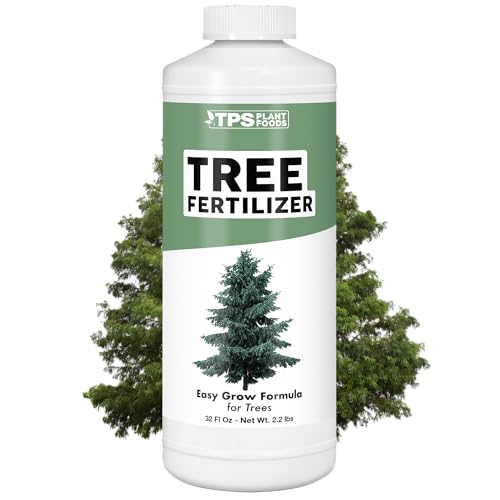
Supports Healthy Growth & Roots – Tree food helps promote deep root systems, strong structure, and steady growth.
Fruit Production and Harvest
For a bountiful harvest of loquats, it's crucial to understand the fruit production process and the best practices for harvesting. Loquat trees thrive in optimal conditions, requiring well-drained soil and plenty of sunlight for fruit production. Pruning techniques play a significant role in ensuring good fruit yield.
Regular pruning helps in maintaining the tree's shape and promotes air circulation, which is essential for healthy fruit production. When it comes to pest control, be vigilant against aphids and scale insects, as they can affect the fruit's quality.
Keep an eye out for signs of fruit ripening, such as a change in color from green to yellow-orange and a slight softening when gently squeezed. Harvest the fruit carefully, as they bruise easily.
Recommended Products

Seal & Protect Tree Wounds Fast: Thick 2X concentrated formula designed to coat and seal cuts, cracks, and bark damage. This tree wound sealer supports natural healing by creating a durable moisture-resistant layer. Works as a reliable tree wound dressing for pruning, storm recovery, or grafting.

For pruning cuts and tree injuries

TRIPLE PROTECTION FORMULA: 3-in-1 solution kills listed insects, controls listed diseases, and controls listed mites with one easy application
Environmental Considerations
Considering the environmental factors such as temperature, humidity, and wind exposure is crucial for ensuring the health and productivity of your loquat trees in your small garden.
When it comes to sustainability, loquat trees thrive in moderate temperatures ranging from 45°F to 85°F, making them suitable for various climates. They prefer moderate humidity levels and can tolerate some wind exposure, although excessive wind can damage their delicate branches.
Additionally, loquat trees are excellent air purifiers, contributing to a healthier environment in your garden and surrounding areas. Their broad leaves absorb pollutants and release oxygen, enhancing the air quality.
By incorporating loquat trees into your small garden, you not only enjoy their fruits but also contribute to a cleaner and more sustainable environment.
- Moderate temperatures (45°F to 85°F)
- Moderate humidity levels
- Tolerant to some wind exposure
Design and Aesthetics
When planning the design of your small garden, incorporating loquat trees adds a touch of natural beauty and functionality to the overall aesthetics. The ornamental value of loquat trees lies in their glossy, dark green leaves, fragrant white flowers, and vibrant golden-yellow fruits. These trees can be integrated into your garden design to create a visually appealing and functional landscape. Here's a table to showcase the landscaping possibilities and ornamental value of loquat trees:
| Landscaping Possibilities | Visual Appeal |
|---|---|
| Privacy screens | Beautiful foliage and flowers |
| Shade provider | Attractive fruit |
| Focal point in the garden | Year-round greenery |
| Mixed borders | Aromatic flowers |
| Container gardening | Edible and ornamental value |
Incorporating loquat trees into your small garden can elevate its design while offering practical benefits.
Conclusion
To sum up, loquat trees are an excellent fit for small gardens due to their compact size and manageable growth. With proper care, they can thrive and yield delicious fruit, all while adding to the visual appeal of your garden.
Consider the positive impact they can have on the environment and the overall enhancement of your garden's design. Are loquat trees the perfect addition to your small garden? It's worth considering.
