

Wondering when to prune your fruit trees for the best harvest? You’re not alone. Many gardeners face the challenge of timing their pruning just right to encourage healthy growth and abundant fruit.
Key Takeaways
- Understand Pruning Benefits: Pruning promotes healthy growth, enhances fruit quality, and improves tree structure by removing dead or damaged branches.
- Optimal Pruning Times: Most fruit trees should be pruned in late winter or early spring while dormant; however, specific trees like cherries and peaches have tailored schedules post-harvest or just before blooming.
- Consider Tree Species: Different fruit trees require different pruning strategies; knowing when to prune based on tree species ensures optimal health and productivity.
- Avoid Common Mistakes: Steer clear of over-pruning, using dirty tools, or ignoring the specific needs of your fruit tree species to prevent stress and disease.
- Use Proper Tools: Equip yourself with the right tools (pruning shears, loppers, hand saws) and always prioritize safety gear for effective and safe pruning.
- Plan Your Cuts: Before pruning, visualize the desired tree shape and regularly check your progress to avoid accidental removal of essential branches.
Understanding Fruit Tree Pruning
Pruning your fruit trees involves more than just trimming branches. It promotes healthy growth, enhances fruit quality, and improves tree structure. Timing plays a crucial role in effective pruning.
Reasons for Pruning
- Health: Remove dead, diseased, or damaged branches. This prevents pests and diseases from spreading.
- Shape: Maintain a strong structure. Focus on creating an open center for light penetration and air circulation.
- Growth Control: Manage the size and shape of the tree to enhance fruiting and simplify harvesting.
Best Times to Prune
- Late Winter/Early Spring: Prune most fruit trees during dormancy, before new growth begins. This timing encourages robust spring growth.
- Summer: Light pruning of specific varieties can help control growth and address any issues that arise.
- After Harvest: Remove any dead wood or branches that hinder future growth. This allows trees to focus energy on producing fruit next season.
Tools You Need
- Pruning Shears: Suitable for smaller branches.
- Loppers: Great for branches up to two inches in diameter.
- Hand Saws: Effective for thicker branches.
- Safety Gear: Always wear gloves and goggles for protection.
Tips for Effective Pruning
- Angle Cuts: Make cuts at a slight angle to promote water runoff, reducing rot risk.
- Cut Outside the Bark Collar: Preserve the tree’s natural barrier to minimize damage.
- Step Back: Regularly examine the overall shape while pruning. This prevents over-trimming.
- How much can I prune? Remove no more than 25% of the tree’s canopy at one time.
- What if I miss the optimal time? Prune when necessary, but aim to address issues without major changes to shape during the growing season.
By understanding the fundamental principles of fruit tree pruning, you can ensure vibrant trees and bountiful harvests.
Factors Influencing Pruning Timing
Pruning timing depends on various factors that can significantly impact your fruit trees’ health and productivity. Understanding these factors helps you make informed decisions about when to prune.
Recommended Products
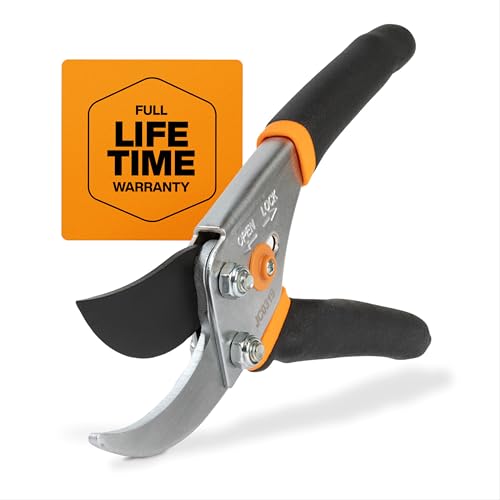
CLEAN CUTS FOR LIVE GROWTH: Bypass blade design is ideal for pruning delicate flower stems and green growth, helping reduce crushing and plant damage while cutting stems and small branches up to 5/8” in diameter
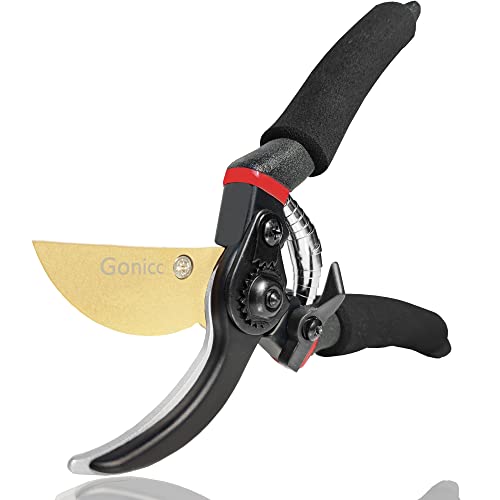
Drop-forged construction delivers exceptional durability and sturdiness for long-term heavy garden use.

IDEAL BRANCH TRIMMER: 28" Steel blade garden bypass lopper that glides through up to 1.5" thick branches for easy cuts; Works well for trimming tree branches to maintain your yard and garden, and to encourage overall plant health and appearance
Tree Species
Tree species dictate optimal pruning times. Different fruit trees have specific growth patterns and dormancy periods.
- Apple Trees: Prune in late winter or early spring before new growth starts.
- Cherry Trees: Prune after harvesting to avoid disease transmission.
- Peach Trees: Prune in early spring, just before blooming, to shape the tree and promote fruiting.
Selecting the right time based on species ensures you achieve the desired growth and fruit quality.
Climate Conditions
Climate conditions play a critical role in determining pruning times. Local weather influences when trees enter dormancy and when they start growing again.
- Cold Climates: Late winter pruning works well, as trees are still dormant and less susceptible to cold damage.
- Warm Climates: Prune earlier in the year, as trees may spring into growth sooner due to milder winters.
- Wet Conditions: Avoid pruning during rainy seasons to reduce the risk of fungal infections.
Monitoring your local climate helps you choose the best pruning schedule, promoting tree vigor and fruit production.
Best Times to Prune Different Fruit Trees
Pruning fruit trees at the right time boosts their health and productivity. Each type of fruit tree has a specific pruning schedule. Follow these guidelines for optimal results.
Recommended Products

LONG-LASTING SHARPNESS: Japanese SK5 bypass blade with titanium coating is tested through 5,000 cuts to maintain a sharp edge and deliver clean, consistent cuts on live stems and branches

Pruning Trees Shrubs and Vines No 54 By Gardenway Editors

SUPER LIGHTWEIGHT CUT AND HOLD PRUNERS SET: Our Long Reach Pruner weighs 0.79lbs, appropriate length 32 inch is suitable for relaxed cutting. When you deal with twiggy young tree branches, leaves, fruit spur or fence, one hand is enough. There has a minor hand pruner in this set can solve your lower pruning, a bonus garden glove can protect your hand.
Apple Trees
Prune apple trees in late winter to early spring while they’re still dormant. This timing minimizes stress and encourages vigorous growth. Focus on removing crossing branches and any dead or diseased wood. Aim to enhance air circulation and light penetration within the tree. If necessary, light summer pruning can help manage excessive growth and maintain shape.
Cherry Trees
Cherry trees require pruning after the harvest. This timing allows you to shape the tree and remove any dead or damaged branches without compromising fruit production. Avoid late winter pruning, as it can encourage disease by exposing fresh cuts to moisture. Always assess the tree’s structure, ensuring it has an open center to improve light and airflow.
Peach Trees
Peach trees benefit from pruning in early spring, just before they bloom. This approach promotes stronger growth and ample fruit production. Remove any dead or crowded branches, and focus on cutting back length to encourage healthy shoots. If you miss the early spring window, light pruning can occur in the summer after the fruit has set, helping keep the tree manageable.
Common Mistakes to Avoid
- Pruning at the Wrong Time: Pruning during active growth can stress the tree and reduce fruit production. Stick to late winter or early spring for most trees. For specific trees, follow recommended timelines like post-harvest for cherries or early spring for peaches.
- Over-Pruning: Cutting off more than 25% of a tree’s canopy at once can shock the tree. Focus on thinning rather than heavy cuts. Remove dead, diseased, or crossing branches, prioritizing structural integrity.
- Neglecting Clean Tools: Using dirty tools spreads disease between trees. Clean your pruning shears with alcohol before and after each use. It helps maintain tree health and prevents infection.
- Ignoring Tree Type: Each fruit tree species has unique pruning needs. For instance, apple trees require winter pruning, while cherry trees need it after fruiting. Research the specific needs for your trees to ensure the best results.
- Poor Cutting Technique: Making flush cuts can damage the tree. Always cut just outside the branch collar to promote healing. Use sharp, clean tools for precise cuts that minimize stress.
- Pruning without a Plan: Without a clear strategy, you might remove important branches accidentally. Visualize the tree shape you want before starting. Step back frequently to assess your progress.
- Pruning in Wet Conditions: Wet weather increases the risk of fungal infections after cutting. If rain is forecasted, wait for dry conditions to avoid compromising tree health.
Recommended Products

Reduce Hand Strain: These micro tip snips are made to reduces hand fatigue which makes them great for those with arthritis, carpal tunnel, hand or wrist issues; Comfortable “grip” handles will make it easy to work for long-time use without making you feel hand pain

· ULTRA-SHARP SK5 STAINLESS STEEL - Engineered with premium SK5 stainless steel, these heavy duty pruning shears deliver razor-sharp precision and maximum hardness. The rust-resistant blades are designed to stay sharp longer, effortlessly resisting corrosion and sap buildup for smooth, friction-free garden shears performance year after year.

AMBIDEXTROUS DESIGN: Pruner shape is designed for both right and left-handed use while pruning indoor & outdoor plants such as shrubs, ornamental trees, vines, & flowers like roses; SoftGrip handle reduces hand fatigue & enhances comfort and control
Conclusion
Pruning your fruit trees at the right time is key to nurturing healthy growth and ensuring a bountiful harvest. By paying attention to the unique needs of each tree species and considering your local climate, you can make informed decisions that benefit your garden.
Remember to keep your tools clean and follow proper techniques to avoid common mistakes. With a little patience and practice, you’ll be on your way to enjoying thriving trees and delicious fruits. So grab those pruning shears and get ready to give your trees the care they deserve!
Frequently Asked Questions
When is the best time to prune fruit trees?
Pruning fruit trees is best done in late winter or early spring during their dormancy. This timing helps promote healthy growth and maximizes fruit production. Some specific trees, like peach trees, can also benefit from light summer pruning if the early spring window is missed.
Why is pruning important for fruit trees?
Pruning is crucial for maintaining tree health, enhancing fruit quality, and improving tree structure. It helps by removing dead or diseased branches, allowing better light penetration, and controlling growth for easier harvesting.
What tools do I need for pruning fruit trees?
Essential tools for effective pruning include pruning shears, loppers, hand saws, and safety gear like gloves and goggles. Having the right tools makes pruning more efficient and safe.
How much of the tree canopy can I prune at once?
It’s recommended to not remove more than 25% of the tree’s canopy at one time. This helps avoid stressing the tree and promotes healthier growth.
What common mistakes should I avoid when pruning?
Common mistakes include pruning at the wrong time, over-pruning, neglecting tool cleanliness, and ignoring the specific needs of different tree types. Proper technique and a clear plan are essential for successful pruning.
Can I prune fruit trees during the growing season?
Yes, if the optimal pruning time is missed, you can still prune during the growing season, but avoid major shape changes. Light pruning can help manage growth without stressing the tree too much.
How does climate affect the timing of pruning?
Climate conditions significantly impact the best timing for pruning. In cold climates, prune in late winter whereas, in warmer areas, pruning can be done earlier. Avoid pruning during wet conditions to reduce the risk of fungal infections.
Is there a specific way to cut when pruning?
When pruning, make angled cuts to promote water runoff and cut outside the bark collar to minimize damage to the tree. Regularly stepping back to assess the tree’s shape is also advisable for better results.
