

Have you ever looked at your fruit trees and wondered how to keep them healthy and productive? You’re not alone. Many gardeners face the challenge of protecting their trees from pests and diseases while ensuring a bountiful harvest. Knowing what to spray can make all the difference.
Key Takeaways
- Importance of Spraying: Regular spraying is essential for preventing pests and diseases, promoting healthier fruit trees, and improving overall fruit quality.
- Common Threats: Key pests like aphids and coddling moths, and diseases such as powdery mildew and scab can severely impact fruit trees, making early recognition important for effective treatment.
- Types of Sprays: Options range from organic solutions like neem oil and insecticidal soap to systemic insecticides and fungicides, each suitable for different pests and diseases.
- Timing is Key: Spray schedules should align with seasonal changes, starting in spring and continuing through fall to manage different threats effectively.
- Application Techniques: For optimal protection, use proper techniques such as spraying in cool temperatures, ensuring even coverage, and adjusting nozzle settings as needed.
- Safety Precautions: Always wear appropriate personal protective equipment (PPE) and consider environmental impacts to promote responsible use of sprays.
Understanding Fruit Tree Spraying
Spraying fruit trees plays a crucial role in maintaining their health and productivity. Effective spraying protects against pests and diseases, helping ensure a fruitful harvest.
Recommended Products

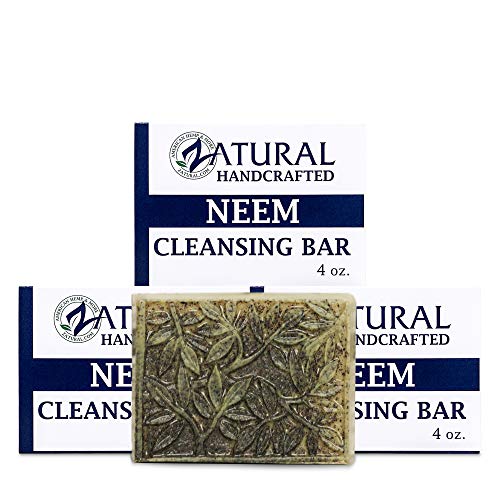
PURE NEEM OIL FORMULA – Expertly crafted with high-quality, cold-pressed Neem oil. This plant-based cleansing bar delivers the natural properties of the Neem leaf directly to your skin without harsh chemicals or synthetic additives.

Importance of Spraying
Spraying serves multiple purposes in fruit tree care. It helps prevent disease outbreaks, deterring pests that can damage leaves and fruit. Timely applications minimize damage and secure crop yields. Regular spraying also promotes better fruit quality, leading to tastier and more visually appealing produce. Adopting a consistent spraying regimen contributes to healthier trees over time.
Common Pests and Diseases
Several pests and diseases commonly affect fruit trees.
- Aphids: These small insects suck sap from leaves, causing wilting and reduced growth. Control methods include insecticidal soaps and neem oil.
- Coddling Moth: This pest targets apples and pears, laying eggs that damage fruit. Use pheromone traps and targeted insecticides to manage infestations.
- Powdery Mildew: A fungal disease characterized by a white, powdery substance on leaves. Prevent it through proper air circulation and fungicides.
- Scab: This fungal infection affects apples and pears, leading to dark spots on fruit and foliage. Apply fungicides during wet weather to combat this disease.
Recognizing these threats early on assists in applying the proper treatments. Stay vigilant for signs of pests or disease to protect your fruit trees effectively.
Types of Sprays for Fruit Trees
Fruit trees require careful attention, and the right sprays can protect them from pests and diseases. Below are key types of sprays you can use.
Organic Options
- Neem Oil: Neem oil acts as a natural pesticide. It disrupts the life cycle of pests like aphids and spider mites. Mix 1-2 tablespoons of neem oil with water and spray onto affected areas once every two weeks.
- Insecticidal Soap: This treatment targets soft-bodied insects. To make it, combine a few drops of liquid soap with water. Spray it right onto insects for immediate control. Apply in the early morning or late afternoon to avoid leaf burn.
- Bordeaux Mix: Common for fungal diseases, Bordeaux mix contains copper sulfate. It’s effective against powdery mildew and leaf spots. Mix according to package instructions and spray during the dormant season for maximum impact.
- Garlic Spray: Garlic acts as a repellant for many bugs. Blend several cloves of garlic with water, strain, and spray. Repeat every week or after rain for continued protection.
- Systemic Insecticides: These insecticides enter the tree’s vascular system, providing long-term protection. Follow the label instructions for mixing and applying. They’re particularly effective against coddling moths and borers.
- Fungicides: Target specific diseases, including powdery mildew and scab, with fungicides like myclobutanil. Use as a preventative measure, applying in early spring before blooms appear.
- Pesticides: For severe infestations, broad-spectrum pesticides can be effective. Choose a product labeled for your tree type. Apply according to instructions and ensure proper safety gear, as these chemicals can be potent.
- Dormant Oil: Apply this oil in late winter to suffocate overwintering pests. Use it during dormancy when trees are not actively growing. This treatment helps minimize pest populations before the season starts.
Understanding these options provides a foundation for maintaining healthy fruit trees. Select the appropriate spray type based on your specific pest or disease issue for the best results.
Timing and Frequency of Spraying
Timing and frequency are critical for effective spraying of fruit trees. Proper scheduling maximizes protection against pests and diseases while minimizing negative impacts on beneficial insects.
Recommended Products
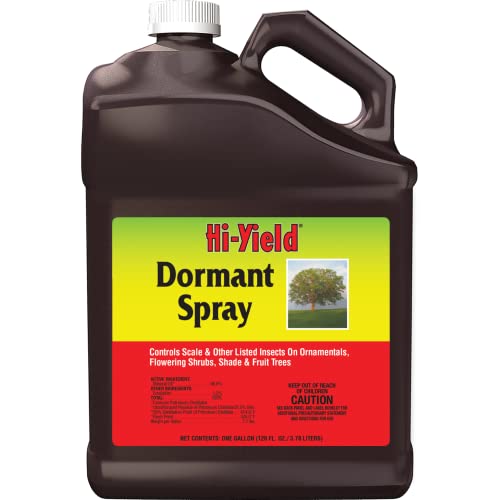
Controls a number of insects including Mites, Leaf Rollers, Armyworms and more. See label for more.

USE YEAR ROUND - Our 3-in-1 product provides year-round protection against insects, mites, and diseases. Can be used at the dormant stage, green tip stage, delayed dormant stage, and during the growing season to prevent pest infestations and disease.
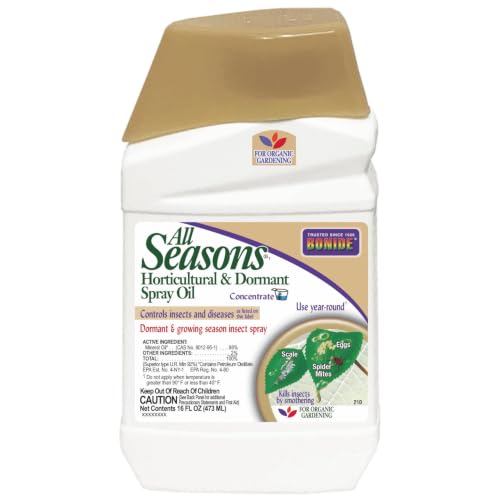
Control insects & diseases in your home garden with All Seasons Horticultural & Dormant Spray Oil Concentrate; use year-round to control listed insects and diseases
Seasonal Considerations
Spring requires proactive measures. Start spraying when buds begin to swell, as this stage is vulnerable to diseases like scab and pests like aphids. Apply fungicides before bloom to prevent infections. During summer, focus on controlling pests, such as coddling moths. Regular inspections help determine if additional sprays are necessary. Fall spraying targets overwintering pests. A final application of dormant oil ensures thorough protection.
Application Techniques
Use appropriate techniques for even coverage. Spray early in the morning or late in the evening to avoid overheating and evaporation. Ensure no wind interferes with application. Cover the entire tree, including the underside of leaves. Adjust nozzle settings for fine mist, which enhances adherence and penetration. Maintain a consistent spray schedule based on your tree’s health and the identified threats. Adjust techniques based on specific products used, as some may have unique application needs.
Safety Precautions
Taking safety precautions is essential when spraying fruit trees. Proper practices ensure your safety and protect the environment while maintaining healthy trees.
Personal Protective Equipment
Wear suitable personal protective equipment (PPE) when applying sprays. This includes:
- Gloves: Use chemical-resistant gloves to prevent skin contact with pesticides.
- Mask: A respirator or mask helps filter airborne chemicals, reducing inhalation risks.
- Goggles: Shields eyes from splashes or mist during application.
- Long Sleeves and Pants: Protective clothing minimizes skin exposure.
Always follow the manufacturer’s recommendations regarding safety gear for specific products.
Environmental Considerations
Consider the environment when spraying fruit trees. Responsible usage of chemicals promotes sustainability. Follow these guidelines:
- Timing: Spray early in the morning or late in the evening to reduce exposure to beneficial insects like bees.
- Weather Conditions: Avoid spraying on windy days. Wind can drift chemicals onto unintended areas.
- Buffer Zones: Maintain a buffer zone near water sources to prevent runoff into streams or ponds.
- Organic Options: Choose organic sprays when possible. They tend to be less harmful to the ecosystem.
Implementing these precautions helps protect your health and the environment while ensuring your fruit trees thrive.
Conclusion
Taking care of your fruit trees doesn’t have to be overwhelming. By understanding the right sprays to use and when to apply them, you can protect your trees from pests and diseases while ensuring a bountiful harvest. Remember to choose the appropriate products for your specific challenges and always prioritize safety for yourself and the environment.
With a little dedication and the right techniques, you’ll enjoy healthy trees and delicious fruit for years to come. Happy gardening!
Frequently Asked Questions
What is the importance of spraying fruit trees?
Spraying fruit trees is essential for preventing diseases and deterring pests that can damage leaves and fruit. Timely and effective applications help secure healthy crops and improve fruit quality, leading to better harvest yields.
What are common pests affecting fruit trees?
Common pests that affect fruit trees include aphids, coddling moths, and various spider mites. Early recognition of these pests is crucial for applying the right treatments and minimizing damage.
What are some effective sprays for fruit trees?
Effective sprays for fruit trees include organic options like neem oil and insecticidal soap, as well as systemic insecticides and fungicides for severe problems. Choosing the right spray depends on the specific pest or disease you’re dealing with.
How often should I spray my fruit trees?
The frequency of spraying fruit trees varies based on the type of disease or pest management required. Generally, it’s best to follow a seasonal schedule and reapply as needed for optimal coverage and protection.
What safety precautions should I take when spraying?
When spraying fruit trees, wear suitable personal protective equipment (PPE) like gloves, masks, and goggles. Also, ensure to follow guidelines to minimize environmental impact and avoid harming beneficial insects.
How can I choose the right spray for my fruit trees?
Choosing the right spray involves identifying specific pests or diseases affecting your trees. Research each option’s effectiveness and safety, and consider organic alternatives for a more sustainable approach.
What are the best times to spray fruit trees?
The best times to spray fruit trees are usually early in the morning or late in the evening to avoid harming beneficial insects and reducing evaporation. Be mindful of seasonal changes and specific pest life cycles.
How can I ensure even coverage when spraying?
To ensure even coverage, use a proper sprayer and technique that disperses the spray uniformly over all surfaces. Spraying in overlapping passes can also help cover any missed spots, protecting the entire tree.
