

Have you ever wondered how tall cherry fruit trees can grow? If you’re considering adding one to your garden or just curious about these beautiful trees, you’re in the right place.
Cherry trees come in various sizes, and knowing their potential height can help you plan your space better. Whether you want a compact tree for a small yard or a towering one for a larger area, understanding their growth can make all the difference.
Key Takeaways
- Variety of Heights: Cherry fruit trees can grow significantly in height, with standard varieties reaching 20 to 30 feet, dwarf varieties staying around 8 to 10 feet, and sour varieties typically growing between 6 to 12 feet.
- Growth Influencers: Key factors affecting tree height include variety selection, soil quality, sun exposure, and consistent watering practices.
- Planting Recommendations: For optimal growth, standard cherry trees should be spaced 20 to 30 feet apart, while sour varieties thrive with 6-10 feet of separation.
- Pruning Importance: Regular pruning is essential for managing tree height and enhancing fruit production, aiming to shape the tree and promote healthy growth.
- Fertilization Tips: Utilize balanced fertilizers and maintain consistent watering to support healthy tree development and control height effectively.
- Sunlight Needs: Cherry trees require at least 6 to 8 hours of direct sunlight daily for robust growth, making sun exposure crucial for their overall health.
Overview of Cherry Fruit Trees
Cherry fruit trees vary significantly in height, which is crucial for planning your garden space. Generally, standard cherry trees reach heights between 20 to 30 feet. Dwarf varieties grow much smaller, typically between 8 to 10 feet, making them ideal for smaller yards.
Types of Cherry Trees
- Sweet Cherry Trees: These can grow up to 30 feet tall. They produce large, juicy cherries, suitable for fresh eating and desserts.
- Sour Cherry Trees: Sour varieties typically reach heights of 6 to 12 feet. These cherries are often used in baking and preserving.
- Dwarf Cherry Trees: Dwarf varieties stay around 8 to 10 feet tall. They’re perfect for compact spaces and container gardening.
Growth Factors
Several factors influence how tall your cherry tree might grow:
- Variety Selection: Selecting a specific type impacts final height. Choose according to your space and needs.
- Soil Quality: Well-draining soil with good organic matter promotes healthy growth.
- Pruning Practices: Regular pruning helps manage size and encourages fruit production.
Planting Considerations
To maximize your cherry tree’s potential, consider the following:
- Spacing: Allow enough space for standard trees to spread. A distance of 20 to 30 feet between trees helps avoid overcrowding.
- Sun Exposure: Cherry trees thrive in full sun. Aim for at least 6 to 8 hours of direct sunlight daily.
Conclusion
By understanding the growth patterns of cherry fruit trees, you can make informed choices for your garden. Knowing the different types and factors that affect their height allows for effective planning, ensuring a productive and beautiful cherry tree experience.
Factors Influencing Height
Cherry fruit tree height varies based on several factors. Understanding these influences helps you select the right tree for your garden.
Recommended Products

Each offer includes one plant grown in a 4 inch pot

4 kinds of the most popular fruits, individually packaged, 50pcs Lemon seeds 50pcs Cherry seeds 50pcs Orange seeds 50pcs Apple seeds Fresh seeds, all fruit seeds are packed in tear and moisture resistant zipper sealed bags for your long term storage.

Tree Variety
Different cherry tree varieties exhibit distinct growth patterns. Sweet cherry trees can reach heights of 20 to 30 feet. Sour cherry trees typically grow between 6 to 12 feet, making them a good option for smaller spaces. Dwarf cherry trees, designed for compact areas, generally reach heights of 8 to 10 feet. Choosing the right variety aligns tree height with your garden’s space.
Growing Conditions
Growing conditions significantly affect cherry tree height. You’ll want to consider these key aspects:
- Soil Quality: Well-drained, nutrient-rich soil promotes healthy growth. Test soil pH and improve quality with organic matter if needed.
- Sun Exposure: Full sun encourages robust tree growth. Aim for at least 6 hours of direct sunlight daily.
- Watering: Regular watering supports tree development. Establish a consistent watering routine, especially during dry spells.
- Temperature: Cherry trees thrive in temperate climates. Extreme cold or heat can hinder growth, so select varieties suitable for your region.
By carefully considering tree variety and optimizing growing conditions, you can influence the eventual height of your cherry fruit trees.
Expected Height of Cherry Fruit Trees
Cherry fruit trees vary in height based on their variety and growing conditions. Understanding the expected heights is crucial for planning your garden layout effectively.
Recommended Products
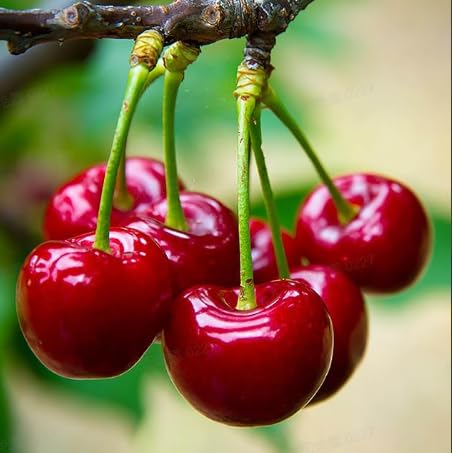
Basic Seed Attributes & Planting Scenarios: 20 Pcs Cherry Tree Seeds, non-GMO heirloom variety, with sweet and tender juicy fruits, suitable for home garden cultivation, and can be planted both indoors and outdoors.

Seed Cherry Tree Fruit Tree Seed for Planting Outdoor-Non-GMO Heirloom Sweet Juicy Fruits Plant in Your Home Garden
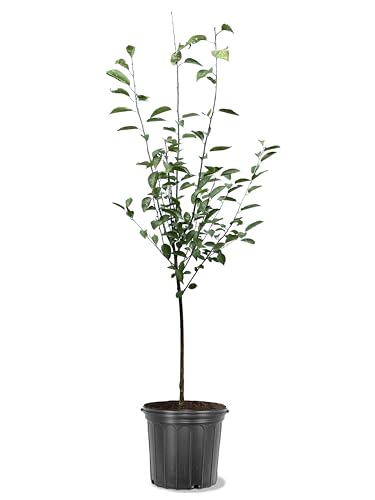
Cherry Tree 'Stella' Semi-Dwarf – Produces large, deep red cherries with a sweet, rich flavor and firm texture, perfect for fresh eating, baking, and preserves.
Sweet Cherry Varieties
Sweet cherry trees typically grow between 20 and 30 feet tall. Varieties like Bing and Rainier produce large, sweet cherries. For homeowners with ample space, sweet cherries provide a beautiful, tall addition to the landscape. When planting, consider spacing these trees at least 30 feet apart to allow for their expansive growth.
Sour Cherry Varieties
Sour cherry trees are generally shorter, reaching heights of 6 to 12 feet. Varieties such as Montmorency and North Star are popular choices. These compact trees thrive in smaller gardens, offering cherries that are perfect for baking and preserves. Maintain a distance of about 6 to 10 feet between sour cherry trees for optimal air circulation and sunlight exposure.
Maintenance Practices for Height Control
Height control of cherry fruit trees involves effective maintenance practices. These practices help manage growth while promoting overall health.
Recommended Products


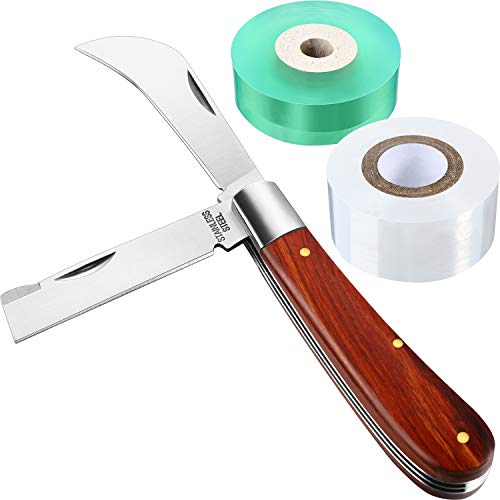
Package includes: you will get 1 double blades garden grafting knife and 2 rolls of grafting tapes in 2 sizes, ideal set for grafting budding, cutting, digging, sprouting, plants, weeding, cutting, sawing, etc.
Pruning Techniques
Pruning cherry trees fosters height management and enhances fruit production. Begin pruning in late winter or early spring before new growth appears. Focus on these techniques:
- Thin Out Crowded Branches: Remove branches that cross or crowd each other. This improves air circulation and light penetration.
- Cut Back Tall Leaders: Trim the leader branch to encourage lateral growth. Aim for a height you’re comfortable with, usually around 8 to 10 feet for dwarf varieties.
- Shape the Tree: Maintain a balanced structure by shaping the tree. Use heading cuts to redirect growth and promote a bushier form.
Regular pruning establishes a manageable height and supports better fruit yields. Aim for pruning every year to keep the tree in optimal shape.
Fertilization and Watering
Fertilization and watering nurture cherry trees while influencing their growth height. Use these practices for effective care:
- Use Balanced Fertilizer: Apply a balanced, slow-release fertilizer in early spring. Choose a ratio like 10-10-10 to ensure even nutrient distribution.
- Water Consistently: Water deeply, especially during dry spells. Aim for 1-2 inches of water weekly, adjusting for rainfall. Ensure soil drains well to avoid waterlogging, which can stunt growth.
- Monitor Nutrient Levels: Test soil every couple of years to ensure nutrient levels are adequate. Adjust fertilizer type and amount as needed.
By following these fertilization and watering practices, you create a supportive environment for your cherry trees that keeps their height in check while promoting healthy growth.
Conclusion
Choosing the right cherry tree for your garden can make all the difference in your gardening experience. Whether you opt for a towering sweet cherry or a compact dwarf variety you’ll find the perfect fit for your space. Remember to consider factors like soil quality and sunlight to help your tree thrive.
With a bit of care and regular maintenance you can enjoy a bountiful harvest of delicious cherries. So go ahead and plant that cherry tree you’ve been dreaming of. It’ll not only beautify your garden but also provide you with tasty fruit for years to come. Happy gardening!
Frequently Asked Questions
What is the typical height of cherry fruit trees?
Cherry fruit trees vary in height based on the type. Standard sweet cherry trees can grow between 20 to 30 feet, while dwarf varieties usually reach 8 to 10 feet. Sour cherry trees generally grow 6 to 12 feet tall, making them suitable for different garden sizes.
How far apart should cherry trees be planted?
Sweet cherry trees should be spaced at least 30 feet apart to allow for their larger size. In contrast, sour cherry trees can be planted 6 to 10 feet apart, which gives them enough air circulation and sunlight without overcrowding.
What factors influence the height of cherry trees?
The height of cherry trees is influenced by several factors, including the tree variety, soil quality, sun exposure, watering, and temperature. Providing nutrient-rich soil, adequate sunlight, and consistent watering is vital for healthy growth.
How can I manage the height of my cherry trees?
To manage the height of cherry trees, regular pruning is essential. Pruning in late winter or early spring helps thin crowded branches, shape the tree, and control growth while enhancing fruit production, ensuring a balanced structure.
What type of fertilizer is best for cherry trees?
A balanced, slow-release fertilizer is ideal for cherry trees. Applying it in early spring supports healthy growth and helps manage the overall height of the trees by ensuring they receive the necessary nutrients throughout the growing season.
