

Have you ever wondered how long it takes for a soursop tree to bear fruit? If you’re thinking about growing this tropical delight, you’re not alone. Many gardeners are eager to enjoy the sweet and tangy flavor of soursop but aren’t sure what to expect when it comes to the waiting game.
Growing a soursop tree can be rewarding, but patience is key. This article will walk you through the timeline of soursop fruiting, helping you understand the factors that influence its growth. By the end, you’ll have a clearer picture of what to anticipate, so you can plan your garden with confidence and look forward to that first delicious harvest.
Key Takeaways
- Soursop trees typically take three to five years to bear fruit after planting, but some varieties may fruit as early as two years under optimal conditions.
- Ideal growing conditions for soursop include warm, tropical climates with temperatures between 70°F and 90°F and well-drained sandy loam soils with a pH of 6 to 7.5.
- Proper care is crucial for fruit production; providing adequate water, sunlight, and fertilization promotes healthy growth and early fruiting.
- Pollination is essential for fruit development, and flower production occurs after the tree reaches maturity; not all flowers will set fruit.
- Selecting high-yield varieties, like ‘Elena’ and ‘Haitian soursop’, can increase the chances of quicker fruit production and larger yields.
Overview of Soursop Trees
Soursop trees, known scientifically as Annona muricata, thrive in warm, tropical climates. These trees can reach heights of 15 to 30 feet when fully grown. The glossy, dark green leaves and large, heart-shaped fruits make them distinctive and attractive additions to any garden.
Soursop trees typically take three to five years to produce fruit after planting. The timeline can vary based on factors like climate, soil quality, and care. Providing adequate water, sunlight, and nutrients encourages healthy growth and increases the chances of early fruit production.
You’ll find that the flowers of the soursop tree are significant for fruit development. Each flower has the potential to turn into fruit. However, not all flowers will set fruit, so patience is essential. Adequate pollination, often aided by insects, plays a crucial role in fruit formation.
When it comes to choosing a soursop tree cultivar, look for varieties known for high fruit yield. Some popular options include ‘Elena’ and ‘Haitian soursop.’ These varieties may bear fruit sooner and produce larger yields compared to others.
Understanding the growing conditions can also improve fruit production. Soursop trees prefer well-drained, sandy loam soils with a pH of 5.5 to 7.0. Fertilizing with balanced fertilizers during the growing season helps support root and fruit development.
Lastly, be aware that certain environmental stressors can affect fruiting. Excessive heat, pests, or diseases may hinder growth and fruit production. Monitoring these factors ensures the tree remains healthy and productive.
Factors Influencing Fruit Production
Understanding the factors that influence fruit production can help you grow a thriving soursop tree. Multiple aspects determine when your soursop tree will bear fruit and how abundant that fruit will be.
Recommended Products

Accurate Soil pH Testing: Dewildetradingco Soil pH Test Strips offer measurements of soil pH levels (pH 3.5-9). As an essential tool for every gardener and grower, these test strips help determine the optimal pH for various plants, such as outdoor plants, indoor plants, gardens, grass lawns, fruit trees, flowers, vegetables, and forest shrubs.

How to Accurately Test Garden's Soil pH? Many growers do not able to use the correct tools and methods to obtain accurate soil ph values; NewTest soil ph test kit includes upgraded soil ph test strips, measuring cylinders, and instructions for professional testing methods; it allows even beginners to easily and accurately obtain soil ph values

COMPLETE SOIL TEST KIT WITH STORAGE CASE All‑in‑one kit comes with hard plastic storage case, test‑tube rack, sample tubes, comparator tubes, soil sampling scoop, Pasteur pipettes and test‑tube brush. It contains detailed instruction manual plus visual quick‑start guide card for straightforward operation and home soil analysis.
Climate Requirements
Soursop trees flourish in tropical climates. Temperatures between 70°F and 90°F create ideal growing conditions. They can’t tolerate frost or chilly temperatures, so ensure your tree is planted where it stays warm. High humidity levels also support healthy growth. If you live in a cooler climate, consider growing your soursop tree in a greenhouse or indoors.
Soil Conditions
Soil quality plays a crucial role in soursop fruit production. Well-drained sandy loam soils promote robust root development. The pH level should range from 6 to 7.5 for optimal nutrient uptake. Add organic matter or compost to enhance soil fertility. Avoid heavy clay or overly compacted soils that may hinder drainage and root growth.
Tree Age and Variety
The age of your soursop tree directly impacts its fruiting timeline. Generally, trees take three to five years from planting to produce fruit. However, certain varieties, like ‘Elena’ and ‘Haitian soursop’, may fruit sooner than others. Select healthy, grafted trees from reputable nurseries to assure better yields and earlier fruiting. Regularly monitor your tree’s growth and health to ensure it gets the nutrients and conditions it needs to blossom.
Growth Stages of Soursop Trees
Soursop trees grow through distinct stages before they bear fruit. Understanding these stages can help you manage expectations and care for your tree effectively.
Recommended Products

Quantity and Quality: 10+ certified organic Soursop seeds; Fresh Guanabana seeds for cultivating the unique Annona muricata tropical fruit tree

Soursop Fruit Tree are typically eaten raw and are a popular addition to juices and desserts.

Produces delicious, tangy fruit packed with vitamin C and antioxidants
Germination
Germination marks the beginning of the soursop tree’s life cycle. Once you plant the seeds, expect them to sprout within 2 to 4 weeks under optimal conditions. Keep the soil consistently moist but not waterlogged. Ensure warmth, with temperatures around 75°F to 85°F, to encourage growth.
Maturity
The maturity stage is crucial for the development of your soursop tree. It typically takes 3 to 5 years for a soursop tree to reach maturity and begin producing fruit. During this time, focus on providing your tree with ample sunlight, at least 6 hours a day. Regular watering and fertilization with a balanced fertilizer can support healthy growth. After reaching maturity, some varieties may produce fruit sooner, so pay attention to specific cultivars when planting.
Flowering
Flowering is an exciting stage in the soursop development process. Soursop trees usually begin to flower after reaching maturity, generating flowers that can produce fruit. Flowers generally bloom during warmer months. Pollination, often supported by insects like bees, is vital, as not every flower will set fruit. To enhance pollination success, consider planting companion flowers nearby to attract more pollinators. With the right care, you can expect to see the flowers transition into young soursop fruits following successful pollination.
Expected Timeframe for Fruiting
Growing a soursop tree into a fruit-bearing plant takes time and patience. Understanding the timeframe for fruiting helps you manage your expectations.
Recommended Products

COMPLETE 3-IN-1 CITRUS NUTRITION KIT - Everything Your Trees Need Professional-grade fertilizer system includes slow-release NPK granules (6-month supply), liquid micronutrient concentrate (makes 32oz), and calcium supplement (makes 32oz). Specially formulated for lemon, orange, lime, grapefruit, and all citrus varieties in containers and pots.
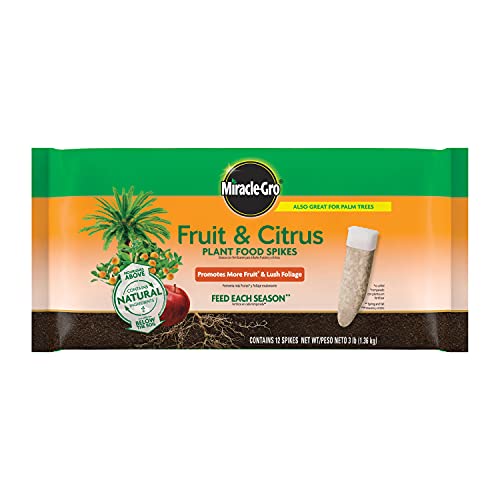
FORMULATED FOR CITRUS AND FRUIT TREES: Use these citrus fertilizer spikes on apple, orange, lemon, lime, and avocado trees; this formula is also great for feeding palm trees

Let our professionally formulated plant food help your fruit tree grow healthy, strong AND abundantly producing
General Duration
Soursop trees typically take three to five years to produce fruit after planting. During this period, the tree undergoes various growth stages, including germination and maturity. Under optimal care and conditions, some trees may bear fruit as early as two years after planting. Factors like genetics and cultivation methods play a significant role in how quickly fruit appears.
Variations by Conditions
Fruit production can vary due to several environmental and management factors:
- Climate: Soursop trees thrive in warm, tropical climates with temperatures between 70°F and 90°F. Consistent heat promotes faster growth and earlier fruiting.
- Soil Quality: Well-drained sandy loam soils with a pH of 6 to 7.5 are ideal for root development. Poor soil can delay growth and fruiting.
- Water Availability: Adequate watering, especially during dry periods, supports healthy growth. A lack of water can stress the tree and postpone fruiting.
- Tree Care: Regular fertilization and pest control help maintain tree health. Trees that receive optimal care are more likely to produce fruit sooner.
- Variety Selection: Certain cultivars, such as ‘Elena’ or ‘Haitian soursop’, may fruit earlier than others. Choose those for potentially quicker yields.
By focusing on these factors, you can improve the chances of your soursop tree producing fruit within the expected timeframe.
Conclusion
Growing a soursop tree can be a rewarding journey filled with anticipation. With a little patience and the right care you can enjoy the sweet fruits of your labor in just a few years. Remember to provide the ideal conditions your tree needs to thrive.
By focusing on factors like climate soil quality and proper watering you’ll set your soursop tree up for success. So get ready to nurture your tree and look forward to those delicious soursop fruits that are well worth the wait. Happy gardening!
Frequently Asked Questions
How long does it take for a soursop tree to bear fruit?
A soursop tree typically takes about three to five years to bear fruit after planting. However, under optimal conditions, some trees may start producing fruit as early as two years.
What factors influence the fruiting timeline of a soursop tree?
The fruiting timeline is influenced by factors such as climate, soil quality, tree variety, and care. Adequate water, sunlight, and nutrients are essential for healthy growth and early fruit production.
What type of soil is best for growing soursop trees?
Soursop trees thrive in well-drained sandy loam soils with a pH of 6 to 7.5. Good soil quality is crucial for robust root development and overall tree health.
Do all soursop tree flowers produce fruit?
No, not all flowers on a soursop tree will set fruit. Successful fruiting depends on pollination, often aided by insects, and environmental conditions during the flowering stage.
What climate is best for soursop trees?
Soursop trees flourish in warm, tropical climates, ideally with temperatures between 70°F and 90°F and high humidity. These conditions support healthy growth and fruit production.
Should I choose specific soursop tree varieties for better yield?
Yes, selecting high-yield cultivars like ‘Elena’ and ‘Haitian soursop’ can improve your chances of getting a better harvest from your soursop tree.
How can I improve pollination for my soursop tree?
Planting companion flowers that attract pollinators can enhance the chances of successful pollination. This is vital for developing fruit from the tree’s blooms.
What care does a soursop tree need after planting?
After planting, soursop trees need regular watering, sufficient sunlight, and nutrient-rich soil. Proper care is essential for healthy growth and maximizing fruit yield.
