

Have you ever wondered how long it takes for a pear tree to start bearing fruit? If you’re thinking about planting one in your yard, you’re not alone. Many people dream of enjoying fresh pears right from their garden, but the wait can be a bit frustrating.
Key Takeaways
- Timeframe for Fruit Bearing: Most pear trees typically begin to produce fruit within 3 to 7 years after planting, depending on the variety and care.
- Variety Matters: Choose the right pear tree variety; dwarf varieties may bear fruit in 3-4 years, while standard varieties often take 5-7 years.
- Essential Care Practices: Proper maintenance, including watering, pruning, and soil management, significantly enhances the tree’s fruit production capabilities.
- Environmental Factors: Adequate sunlight, well-draining soil, and appropriate climate conditions are crucial for prompt fruit bearing in pear trees.
- Pest and Disease Management: Regularly monitor for pests and diseases to protect your pear tree’s health and maximize fruit yields.
Understanding Pear Tree Growth
Understanding the growth timeline of a pear tree is essential for planning. The journey to fruit-bearing can take several years, depending on various factors.
The Lifespan of a Pear Tree
A pear tree can live for 20 to 50 years, sometimes even longer with proper care. Most productive life spans range between 10 and 30 years. During this time, once the tree reaches maturity, it yields hundreds of pounds of fruit annually.
Factors Influencing Growth Rates
Growth rates of pear trees can fluctuate due to several factors:
- Variety Selection: Different pear tree varieties mature at different rates. For example, the Bartlett pear typically begins bearing fruit around 4 to 6 years, while the Asian pear may take 5 to 8 years.
- Soil Quality: Healthy, well-draining soil facilitates faster growth. Aim for soil with good organic content and slightly acidic to neutral pH levels (around 6.0 to 7.0).
- Watering Practices: Consistent moisture is crucial. Avoid overwatering, as this can lead to root rot. Ensure the soil dries slightly between waterings.
- Climate Conditions: Pear trees thrive in temperate climates. Ensure your location offers adequate sunlight, ideally 6 to 8 hours per day, and protection from harsh winds.
- Pruning and Maintenance: Regular pruning improves air circulation and encourages healthy growth. Remove any weak or dead branches annually to promote stronger limbs.
Understanding these aspects can help you establish your expectations and care routines as you await your pear tree’s first fruit.
Timeframe for Bearing Fruit
Understanding the timeframe for a pear tree to produce fruit is essential for managing expectations. Generally, a pear tree takes several years before it starts yielding fruit.
Recommended Products

🌳 3-Pack Fruit Tree Bundle Includes live apple, blueberry, blackberry trees—perfectly paired for a diverse and productive backyard orchard.

Each offer includes 1 potted starter plant

Package: 5 Individual Packs, 40+ Lemon Tree Seeds 40+ Cherry Tree Seeds 40+ Orange Tree Seeds 40+ Apple Seeds 20+ Blueberry Seeds
Typical Years for Fruit Production
Most pear trees begin to bear fruit between 3 to 6 years after planting. Some varieties may not produce until around 7 years. Dwarf varieties often yield fruit sooner at around 3 years, while standard varieties can take up to 6 years or more. Patience remains key as each tree matures at its own pace.
| Tree Type | Years to Fruit Production |
|---|---|
| Dwarf Pear Trees | 3-4 years |
| Standard Pear Trees | 5-7 years |
| Asian Pear Trees | 4-6 years |
Variations by Pear Tree Variety
Different pear tree varieties affect the timeline for fruiting. For instance, the Bartlet pear typically produces fruit within 4 to 5 years, while the Bosc variety generally takes longer, around 6 to 7 years. The size of the tree also plays a role; dwarfs mature faster than standard trees. Here are some common varieties and their fruiting timelines:
| Pear Variety | Years to Bear Fruit |
|---|---|
| Bartlett | 4-5 years |
| Bosc | 6-7 years |
| Asian Pear | 4-6 years |
| Anjou | 5-6 years |
Taking care to choose the right variety for your growing conditions can help optimize the wait time for delicious pears from your garden.
Care and Maintenance
Proper care and maintenance play a crucial role in ensuring your pear tree thrives and bears fruit. Attention to essential factors like soil quality, watering, and pruning can significantly influence fruit production.
Recommended Products

PROFESSIONAL GARDENING GRAFTING TOOLS: Including 2 in 1 grafting pruning tools, 3 replaceable blades, a grafting knife, a screwdriver, a wrench, 2 grafting films, 160 rubber bands, 40 wide rubber bands, and 50 colorful tag cards

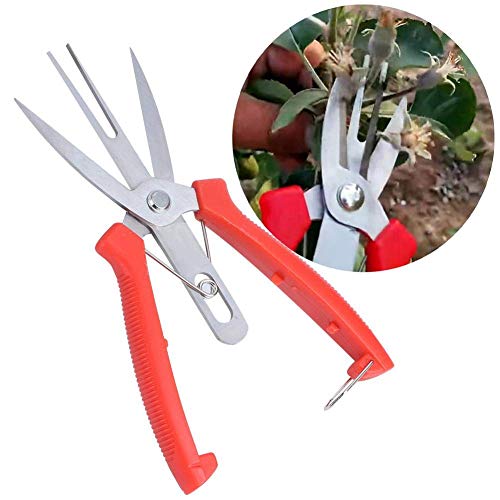
【ERGONOMIC HANDLE】: The handle of the pruning scissors is ergonomic. The comfortable handle prevents cramps and fatigue, and is easy to grasp and operate. Save effort and improve work efficiency.
Essential Care Tips for Pear Trees
- Choose the Right Variety: Select a pear tree variety suited to your climate and soil conditions for optimal growth. Dwarf varieties like ‘Starking Delicious’ produce earlier than standard types.
- Plant in Well-Drained Soil: Ensure the soil has good drainage to prevent root rot. Aim for a pH level between 6.0 and 7.0 for ideal nutrient absorption.
- Water Adequately: Water deeply and consistently, especially during dry spells. Young trees need about 1 inch of water weekly, while mature trees might need 1.5 inches during the growing season.
- Mulch Regularly: Apply mulch 3 inches deep around the base to retain moisture, suppress weeds, and regulate soil temperature.
- Prune Wisely: Conduct annual pruning in late winter or early spring. Remove dead or crossing branches to enhance air circulation and sunlight exposure. Proper pruning promotes healthier blooms and fruit set.
- Fertilize Correctly: Use a balanced fertilizer designed for fruit trees. Apply it in early spring, following package guidelines to prevent over-fertilization, which can harm growth.
Effect of Growing Conditions on Fruit Bearing
Growing conditions directly affect when a pear tree begins to bear fruit. Here are key factors to consider:
- Climate: Pear trees thrive in regions with a chilling period of 300 to 1,000 hours below 45°F. Inadequate chilling affects bloom and fruit set.
- Sunlight: Ensure your tree receives full sun exposure for at least 6 hours a day. Insufficient light can delay fruit development.
- Soil Quality: Nutrient-rich loamy soil promotes quicker fruiting. Conduct a soil test to evaluate nutrient levels and amend as necessary.
- Pest Control: Monitor for pests like codling moths and aphids. Implementing integrated pest management can protect your tree’s health and fruit yield.
- Disease Management: Keep an eye out for diseases such as fire blight. Remove infected branches immediately and apply appropriate treatments to minimize spread.
By providing the right care and optimizing growing conditions, you enhance the chances of enjoying fresh pears from your tree in the coming years.
Common Challenges
Growing a pear tree can present several challenges that delay fruit bearing. Recognizing these challenges helps you maintain your pear tree’s health and encourages timely fruit production.
Recommended Products

Supports Fruit Production & Growth – Helps promote consistent fruit development, healthy foliage, and overall tree performance.

TRIPLE PROTECTION FORMULA: 3-in-1 solution kills listed insects, controls listed diseases, and controls listed mites with one easy application

No chemical exposure to applicator or the environment
Pests and Diseases
Pests and diseases can significantly impact your pear tree’s growth and fruit yield. Common pests include aphids, codling moths, and root nematodes. Aphids feed on young leaves, causing stunted growth. Codling moths lay eggs in developing fruit, leading to premature dropping. Root nematodes harm roots, limiting nutrient absorption.
Regular inspections help identify infestations early. Use organic insecticides or introduce beneficial insects, like ladybugs, to manage pest populations. Diseases such as pear scab and fire blight can also affect your tree. Ensure good air circulation by properly spacing trees and removing fallen fruit and leaves. Practicing good hygiene in your garden prevents the spread of disease.
Environmental Factors
Environmental factors play a crucial role in your pear tree’s growth. Temperature variations can affect flowering and fruit set. Ideal temperatures range between 60°F to 75°F during bloom. Extreme cold can damage blossoms, leading to reduced yields.
Soil quality is another critical factor. Pear trees thrive in well-drained, loamy soils rich in organic matter. Poor drainage leads to root rot, hindering growth and fruit production. Testing soil pH ensures it stays within the optimal range of 6.0 to 7.0.
Watering practices matter, too. Ensure your pear tree receives consistent moisture, especially during dry spells, but avoid overwatering. Mulching around the base helps retain soil moisture and suppresses weeds. Additionally, providing adequate sunlight—at least 6 hours daily—ensures healthy growth.
Conclusion
Growing a pear tree is a rewarding journey that requires a bit of patience and care. While it might take a few years before you can enjoy the fruits of your labor it’s well worth the wait. By selecting the right variety and providing proper care you can set yourself up for a bountiful harvest in the future.
Keep an eye on your tree’s health and stay proactive against any challenges that may arise. With dedication and the right conditions your pear tree will eventually thrive and provide you with delicious, homegrown pears for years to come. Enjoy the process and look forward to the sweet rewards ahead.
Frequently Asked Questions
How long does it take for a pear tree to bear fruit?
Most pear trees begin to bear fruit between 3 to 6 years after planting. Some dwarf varieties can yield fruit as early as 3 years. The timeframe varies by variety, with specific types like Bartlett pears typically producing fruit in 4-5 years.
What factors influence how quickly a pear tree produces fruit?
Several factors affect a pear tree’s fruit production, including the variety chosen, soil quality, watering practices, climate conditions, and maintenance techniques like pruning and fertilization.
How long can a pear tree live?
The lifespan of a pear tree can range from 20 to 50 years. However, its productive life, during which it bears significant fruit, is generally around 10 to 30 years.
What are essential care tips for pear trees?
Key care tips include selecting the right variety for your climate, planting in well-drained soil, ensuring adequate watering, applying mulch, practicing wise pruning, and providing correct fertilization.
What pests should I watch for on my pear tree?
Common pests include aphids, codling moths, and root nematodes. Regular inspections and organic management strategies can help manage these pests effectively.
How do climate and soil quality affect pear tree growth?
Climate and soil quality play crucial roles in the growth of a pear tree. A suitable climate ensures proper sunlight and temperature, while quality soil supports root health and nutrient uptake, both essential for fruit production.
