

Have you noticed your fruit tree leaves curling up and wondered what’s going on? This common issue can leave you scratching your head, especially when you want your trees to thrive. Whether you’re a seasoned gardener or just starting out, understanding the causes of leaf curl is crucial for keeping your plants healthy.
Key Takeaways
- Identify Leaf Curl Causes: Leaf curl can result from pests, environmental stress, diseases, nutritional deficiencies, and chemical damage. Understanding these causes is crucial for effective treatment.
- Monitor Pests and Diseases: Regular inspections for pests like aphids, spider mites, and fungal infections can help catch issues early, allowing for timely interventions.
- Manage Watering Practices: Consistent watering, especially during dry periods, is essential to prevent drought-related stress that can cause leaf curling.
- Test Soil Nutrients: Conducting soil tests can help identify and address nutritional deficiencies, supporting healthier foliage and overall tree vitality.
- Utilize Cultural Practices: Implementing practices such as mulching, pruning, and introducing companion plants can create a healthier growing environment that minimizes leaf curl.
- Apply Targeted Treatments: When necessary, use insecticidal soaps, fungicides, or horticultural oils judiciously to combat specific insect infestations or diseases while promoting tree health.
Overview of Fruit Tree Leaf Curl
Fruit tree leaf curl often results from a variety of factors. Recognizing these causes is essential for maintaining healthy trees. Here are the primary reasons for leaf curl:
1. Pests
Aphids: Small, green, or black insects that feed on plant sap. They cause leaves to curl, distort, and yellow. Check for these pests under leaves and on new growth.
Spider Mites: Tiny arachnids that thrive in hot, dry conditions. Their feeding leads to stippling and curling leaves. Regularly inspect trees for webbing as a telltale sign.
2. Environmental Stress
Drought: Insufficient water can stress trees, resulting in curled leaves. Ensure consistent moisture, particularly during dry spells.
Temperature Extremes: Rapid temperature changes can shock trees. Protect them with mulch and provide adequate irrigation to reduce stress.
3. Diseases
Fungal Infections: Certain fungal diseases cause leaf curl. Examples include peach leaf curl and plum curculio. Remove affected leaves and apply appropriate fungicides as needed.
Bacterial Infections: Bacterial infections can cause leaf curl alongside other symptoms. Monitor tree health closely and consult a local extension service for treatment options.
4. Nutritional Deficiencies
Nitrogen Deficiency: Insufficient nitrogen may lead to yellowing and curling leaves. Use a balanced fertilizer to provide essential nutrients.
Mineral Imbalances: A lack of necessary minerals like magnesium can cause leaf curl. Conduct a soil test to determine any deficiencies or imbalances.
5. Chemical Damage
Herbicides: Drift from herbicides can cause leaf distortion. Keep a safe distance when applying chemicals, especially on windy days.
Insecticides: Overapplication of insecticides can harm beneficial insects, leading to an imbalance and potential leaf curl. Follow label directions carefully.
- Regularly inspect trees for pests and diseases. Early detection helps prevent significant damage.
- Maintain consistent watering habits, particularly during dry periods.
- Test soil for nutrient levels and adjust fertilization practices accordingly.
- Avoid using strong chemicals near fruit trees without proper knowledge.
Understanding these causes equips you with the knowledge to address leaf curl effectively, ensuring your fruit trees remain healthy and productive.
Common Causes of Leaf Curl
Leaf curl on fruit trees often stems from various factors that affect their overall health. Understanding these causes is essential for maintaining vibrant foliage and productive trees.
Recommended Products

FORMULATED FOR CITRUS AND FRUIT TREES: Use these citrus fertilizer spikes on apple, orange, lemon, lime, and avocado trees; this formula is also great for feeding palm trees

Natural and Organic Hand Crafted Blend

FOR USE ON: Use Citrus-tone organic fertilizer for all citrus trees, including lemon, lime, orange, Meyer Lemon Trees as well as for avocado & nut trees
Environmental Factors
Environmental stress impacts fruit tree leaves significantly. Changes in temperature and moisture levels can lead to curling. For instance, prolonged drought causes leaves to curl up as the tree conserves moisture. Similarly, extreme heat or rapid temperature fluctuations can create stress in the plant, resulting in leaf deformation. To mitigate these factors, ensure consistent watering practices and provide shade during intense heat.
Nutrient Deficiencies
Nutrient deficiencies trigger leaf curl as well. A lack of essential nutrients, such as nitrogen, potassium, and magnesium, often manifests in leaf distortions. For example, nitrogen deficiency may cause older leaves to curl downward and turn yellow. Testing your soil can identify nutrient levels, allowing for targeted amendments like fertilizers. Incorporate organic matter into the soil to improve its nutrient profile and promote healthy leaf growth.
Pests and Diseases
Pests and diseases play significant roles in causing leaf curl on fruit trees. Recognizing these threats can help you take preventive measures and maintain your trees’ health.
Recommended Products

PEST DEFENSE - Insecticidal Super Soap controls species of adelgid, ant, aphid, borer, caterpillar, spider mite, cricket, chinch bug, weevil, fly, thrip, & more.

TRIPLE PROTECTION FORMULA: 3-in-1 solution kills listed insects, controls listed diseases, and controls listed mites with one easy application
Insect Infestations
Insect infestations often lead to leaf curling. Common culprits include:
- Aphids: These small, sap-sucking insects cluster on new leaves, causing them to curl and yellow. Regular monitoring and introducing natural predators like ladybugs can help control aphid populations.
- Spider Mites: These tiny pests thrive in dry conditions. Their feeding can cause stippling and curling. Increasing humidity and using insecticidal soap can reduce their impact.
- Leaf Rollers: These caterpillars roll leaves to hide from predators. Inspect foliage for rolled leaves and handpick them if found.
Fungal Infections
Fungal infections can also trigger leaf curling, often visible as discoloration or spots. Some prevalent fungal diseases include:
- Powdery Mildew: This disease appears as a white powdery coating on leaves. It primarily affects stressed trees. Improving air circulation and applying fungicides can help manage this condition.
- Corynespora Leaf Spot: This fungus causes dark lesions on leaves, leading to curling. Proper pruning and keeping the area clean can reduce the spread.
By identifying pests and diseases early, you can implement targeted solutions and effectively reduce the risk of leaf curling on your fruit trees.
Prevention and Treatment
Preventing and treating curling leaves on fruit trees involves understanding the underlying causes and taking appropriate action. This section outlines effective strategies for managing leaf curl.
Recommended Products
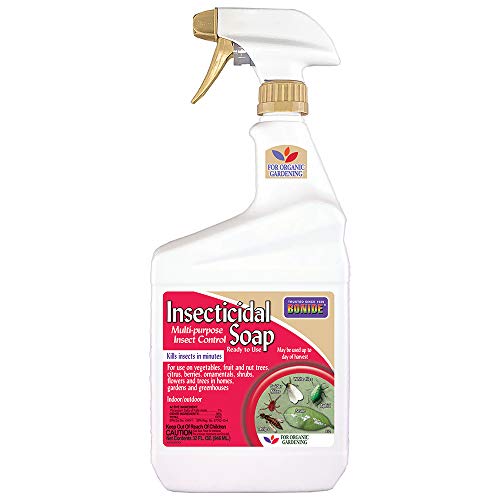
Captain Jack's Insecticidal Super Soap controls species of adelgid, ant, aphid, borer, caterpillar, spider mite, cricket, chinch bug, weevil, fly, thrip, and more

READY-TO-USE CONTACT SPRAY: No mixing required. Thoroughly spray insecticide on all plant parts, including the underside of leaves. Pests must be sprayed directly to achieve control
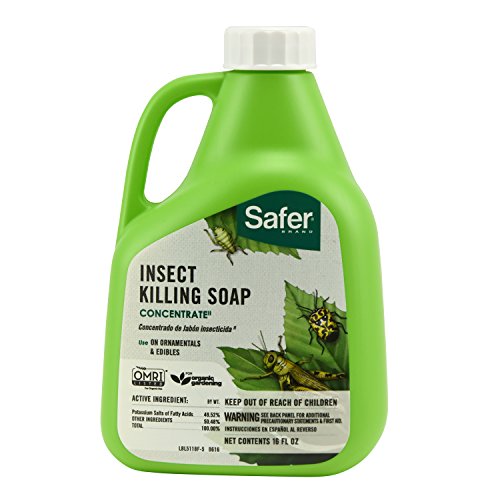
GENTLE ON MOST PLANTS - This aphid spray is ideal for use on flowers, herbs, vegetables, houseplants, lawn, tree, shrubs, and more
Cultural Practices
- Regular Inspections: Examine your trees frequently for signs of pests and diseases. Early detection makes treatment easier and more effective.
- Watering Techniques: Water trees deeply and consistently, especially during dry spells. A thorough watering helps reduce stress on the trees.
- Mulching: Apply organic mulch around the base of the trees. Mulch retains moisture and regulates soil temperature, promoting healthier root systems.
- Pruning: Trim away affected leaves and branches. Proper pruning improves air circulation and sunlight exposure, reducing the risk of diseases.
- Soil Testing: Conduct soil tests to determine nutrient levels. Amending soil with organic matter enriches its nutrients, supporting vigorous growth.
- Grow Companion Plants: Introduce companion plants that attract beneficial insects. These insects naturally manage pest populations, protecting your fruit trees from infestations.
- Insecticidal Soaps: Use insecticidal soaps to target specific pests like aphids. Apply these soaps in the early morning or late evening for maximum effectiveness.
- Fungicides: For fungal infections, apply fungicides early in the growing season. Follow manufacturer instructions to use the correct amount for your trees.
- Horticultural Oils: Consider using horticultural oils to suffocate pests. This treatment works best when pests are most active and on newly emerged foliage.
- Systemic Insecticides: In severe cases, apply systemic insecticides that plants absorb, affecting pests feeding on them. Use these products responsibly, following all safety guidelines.
- Natural Predators: Introduce or encourage natural predators like ladybugs and lacewings. They help control pest populations without chemical intervention.
By implementing these cultural practices and chemical treatments, you’ll promote healthier leaves on your fruit trees, ultimately leading to better yields.
Conclusion
Curling leaves on your fruit trees can be frustrating but understanding the causes can make a big difference. By keeping an eye on pests and diseases and ensuring your trees get the right nutrients and water, you can help your trees thrive. Don’t forget to monitor environmental conditions and take proactive steps to protect your trees from stress.
With a little diligence and care, you’ll be well on your way to enjoying healthy leaves and bountiful harvests. Remember that every tree is unique, so pay attention to its specific needs. Happy gardening!
Frequently Asked Questions
What causes leaf curl on fruit trees?
Leaf curl on fruit trees can be caused by various factors including pests like aphids and spider mites, environmental stress from drought or temperature extremes, diseases such as fungal and bacterial infections, nutritional deficiencies, and chemical damage from herbicides.
How can I prevent leaf curl on my fruit trees?
Preventing leaf curl involves regular inspections for pests and diseases, consistent watering, maintaining soil nutrient levels, and using chemicals cautiously around your trees. Also, applying organic mulch and proper pruning can be beneficial.
What pests are commonly associated with leaf curl?
Common pests that cause leaf curl include aphids, spider mites, and leaf rollers. These pests can damage leaves, leading to curling and discoloration.
How does environmental stress contribute to leaf curl?
Environmental stress due to prolonged drought or extreme temperatures can lead trees to conserve moisture, which results in curling leaves. Consistent watering and providing shade can help mitigate this.
What are the signs of nutrient deficiencies in fruit trees?
Indicators of nutrient deficiencies may include curling leaves, yellowing, and poor growth. Nutritional deficiencies in nitrogen, potassium, and magnesium are particularly common.
How do I treat leaf curl on my fruit trees?
Treating leaf curl may involve using insecticidal soaps, fungicides, and horticultural oils. Introducing natural predators like ladybugs and lacewings can also help control pest populations.
Is regular soil testing necessary for fruit trees?
Yes, regular soil testing is crucial as it helps determine nutrient levels, enabling you to amend the soil accordingly to promote healthier fruit trees and prevent leaf curl.
Can companion planting help with leaf curl?
Yes, companion planting can attract beneficial insects that manage pest populations, thus reducing the likelihood of pest-related leaf curl on your fruit trees.
