

Apricot trees can grow in Pennsylvania, but specific conditions must be met for successful cultivation. Choosing the right variety and understanding local climate factors are essential for thriving trees.
Pennsylvania Climate Suitability for Apricot Trees
Pennsylvania experiences a humid continental climate characterized by cold winters and warm summers. Apricot trees thrive in USDA hardiness zones 5 to 8, with the western and southern regions of Pennsylvania generally being more suitable. The key to success lies in selecting varieties that can withstand colder temperatures and ensuring proper care throughout the growing season.
Recommended Products

Tropical Look: The best banana plant if you want a dramatic tropical look but need something tougher than a typical banana.
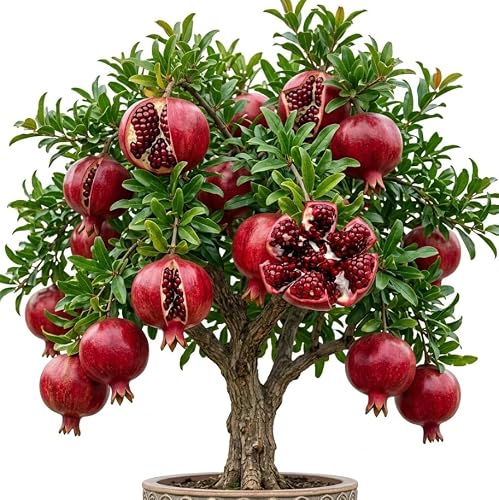
Each order includes a live red pomegranate plant, carefully grown and ready to thrive in your garden or home.

🌇 live Chicago Hardy Fig tree 1 gallon is self-pollinating, comes with easy to use Fig food, and produces fresh Fig fruit every Year
Recommended Apricot Varieties for Pennsylvania
When considering apricot cultivation in Pennsylvania, selecting the right variety is crucial for success. The state’s unique climate and soil conditions can influence which apricot types thrive best. Here are some recommended apricot varieties that are well-suited for the Keystone State, ensuring a fruitful harvest.
Choosing the right apricot variety is crucial for successful growth. Here are some recommended options that adapt well to Pennsylvania’s climate:
| Variety Name | Description | Chill Hours Required | Hardiness Zone |
|---|---|---|---|
| Tilton | Medium-sized fruit with a sweet flavor | 700 | 5-8 |
| Katy | Early ripening, good for fresh eating | 300 | 5-8 |
| Moorpark | Large fruit, excellent flavor, versatile | 700 | 5-8 |
| Goldcot | Cold hardy, good for preserves and fresh | 600 | 5-8 |
These varieties are known for their adaptability and fruit quality, making them ideal choices for local growers.
Soil Requirements for Apricot Trees
Understanding the soil requirements for apricot trees is crucial for successful cultivation in Pennsylvania. The right soil conditions can significantly impact growth, fruit production, and overall tree health. This section delves into the specific soil types and characteristics that apricot trees thrive in, ensuring you can provide the best environment for your plants.
Proper soil preparation is vital for apricot trees. They prefer well-drained, sandy loam soil with a pH between 6.0 and 7.5. Follow these steps for effective planting:
Test Soil: Use a soil test kit to determine pH and nutrient levels.
Amend Soil: Add compost or well-rotted manure to improve fertility.
Choose Location: Select a sunny spot with good air circulation.
Dig Hole: Create a hole twice the width of the root ball and the same depth.
Plant Tree: Position the tree in the center and backfill with soil.
Ensure that the graft union is above the soil line to promote healthy growth.
Apricot Tree Watering and Fertilization Tips
Proper watering and fertilization are crucial for the health and productivity of apricot trees, especially in Pennsylvania’s varied climate. Understanding the specific needs of these trees can help ensure they thrive and produce abundant fruit. This section provides essential tips for effectively managing water and nutrients for your apricot trees.
Watering and fertilization are key components of apricot tree care. Newly planted trees require consistent moisture to establish roots. Follow these guidelines:
Watering:
Water deeply once a week during dry spells.
Avoid overwatering to prevent root rot.
Fertilization:
Apply a balanced fertilizer in early spring.
Use organic options like fish emulsion or compost.
Regular monitoring will help ensure trees receive adequate nutrients.
Apricot Tree Pest Control Techniques
Managing pests is crucial for the successful cultivation of apricot trees in Pennsylvania. Given the region’s unique climate and ecosystem, specific strategies are necessary to protect these trees from common threats. Understanding effective pest control techniques will help ensure healthy growth and a bountiful harvest.
Pest and disease issues can hinder apricot tree growth. Common threats include aphids, peach tree borers, and fungal diseases. Implement these management strategies:
Inspect Regularly: Check for signs of pests or disease.
Use Organic Pesticides: Neem oil can effectively control aphids.
Prune Trees: Remove dead or diseased branches to improve air circulation.
Apply Fungicides: Use as a preventive measure during wet conditions.
Taking proactive steps will help maintain tree health.
Apricot Harvest Timing and Care Techniques
Understanding the timing of apricot harvest and the care techniques necessary for successful growth is crucial for gardeners in Pennsylvania. With its unique climate and soil conditions, knowing when to harvest and how to nurture these trees can significantly impact yield and fruit quality. This section will explore essential practices for cultivating apricots in the Keystone State.
Harvesting apricots at the right time ensures optimal flavor and texture. Follow these steps for successful harvesting:
Check Ripeness: Look for a slight softness and vibrant color.
Use Pruning Shears: Cut the fruit from the tree to avoid damage.
Handle Carefully: Place harvested fruit in a padded container.
After harvesting, store apricots in a cool, dry place. They can be refrigerated for up to a week or preserved through canning or freezing.
Frost Risks for Pennsylvania Apricot Trees
Growing apricot trees in Pennsylvania presents unique challenges, particularly due to the state’s frost risks. Understanding the timing and impact of late frosts is crucial for successful cultivation, as these weather patterns can significantly affect fruit development and tree health. This section delves into the specific frost concerns that apricot growers in the Keystone State should be aware of.
Avoid planting apricot trees in low-lying areas where frost can settle. Late spring frosts can damage blossoms and reduce fruit yield.
Successful Cultivation of Apricot Trees
Successfully cultivating apricot trees in Pennsylvania requires an understanding of the state’s unique climate and soil conditions. With the right care and attention, these trees can thrive, offering delicious fruit and enhancing your garden. This section explores essential tips and techniques for growing apricot trees in the Keystone State.
Growing apricot trees in Pennsylvania is feasible with careful planning and attention to local conditions. Selecting the right variety, preparing the soil, and managing pests effectively will lead to successful cultivation.
