

Have you ever wondered how big fruit trees can actually grow? If you’re thinking about planting one in your yard, it’s a question worth considering. Some trees can tower over your house while others stay compact and manageable.
Imagine planting a tree that eventually blocks your view or takes up too much space. Knowing the potential size of fruit trees helps you make the right choice for your garden. In this article, you’ll learn about the different types of fruit trees and their growth patterns. By the end, you’ll be equipped to select the perfect tree that fits your space and meets your needs.
Key Takeaways
- Understand Tree Categories: Fruit trees are categorized as dwarf (3-8 feet), semi-dwarf (8-15 feet), and standard (15-30 feet), affecting space requirements and fruit yield.
- Consider Species and Rootstock: The species of fruit tree directly influences its growth size, while rootstock choices can help control the tree’s final height.
- Evaluate Environmental Factors: Optimal growth hinges on adequate sunlight (6-8 hours), well-draining soil, and consistent watering, which all contribute to a tree’s size potential.
- Plan for Spacing: Proper spacing is essential for tree health; dwarf trees need 5-10 feet apart, semi-dwarfs require 10-12 feet, and standard trees benefit from 12-20 feet.
- Regular Pruning: Pruning is critical for maintaining size and shape, enhancing fruit production, and improving overall tree health.
- Local Climate Matters: Climate conditions play a critical role in determining whether a fruit tree will thrive and reach its expected size, making local adaptation essential.
Overview Of Fruit Tree Sizes
Understanding fruit tree sizes is crucial for your gardening plans. Specific types of fruit trees vary in height and width, and knowing this information helps you make informed decisions.
Recommended Products

Product Quantity: 180+ premium bonsai fruit seeds across 5 varieties; Individual packs contain 40+ apple, 40+ lemon, 40+ orange, 20+ blueberry, and 40+ cherry seeds; Perfect for starting a diverse miniature orchard

4 kinds of the most popular fruits, individually packaged, 50pcs Lemon seeds 50pcs Cherry seeds 50pcs Orange seeds 50pcs Apple seeds Fresh seeds, all fruit seeds are packed in tear and moisture resistant zipper sealed bags for your long term storage.
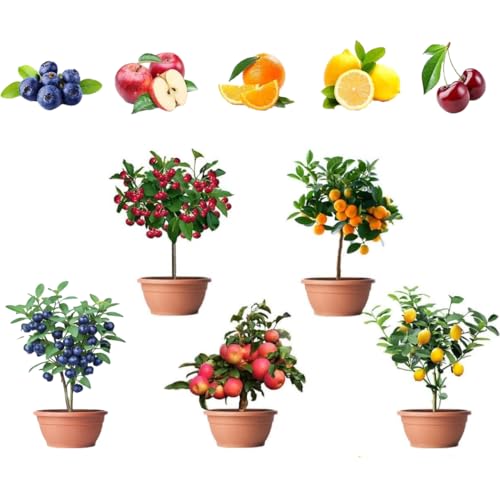
Variety Pack of 5 Fruits: Includes 40 Lemon seeds, 40 Orange seeds, 40 Apple seeds, 20 Cherry seeds, and 20 Blueberry seeds for a colorful and diverse home garden
Standard Fruit Tree Sizes
- Dwarf Trees: Dwarf fruit trees reach heights between 3 to 8 feet. These trees are perfect for small yards or urban gardens. Examples include ‘Fuji’ apple and ‘Tropicana’ peach trees.
- Semi-Dwarf Trees: Semi-dwarf trees grow anywhere from 8 to 15 feet tall. They offer a balance between size and fruit production, making them popular choices. Varieties like ‘Bartlett’ pear and ‘Bing’ cherry exemplify this group.
- Standard Trees: Standard fruit trees can exceed 15 feet, often reaching 20 to 30 feet. These trees are well-suited for larger spaces. Examples include ‘Granny Smith’ apple and ‘Hass’ avocado trees.
Factors Influencing Size
- Species: Different species inherently grow to different sizes. Understanding the species’ characteristics determines the appropriate spacing and maintenance needs.
- Rootstock: The rootstock used affects growth. Dwarf rootstocks produce smaller trees, while standard rootstocks result in larger trees. Choose the right rootstock based on your space.
- Growing Conditions: Environmental factors, like sunlight, soil quality, and water availability, impact tree growth. Healthier trees thrive and reach their maximum potential size.
- Spacing: Ensure adequate spacing between trees. Dwarf trees need 5 to 10 feet apart, semi-dwarf trees require 10 to 12 feet, and standard trees benefit from 12 to 20 feet spacing.
- Pruning: Regular pruning maintains size and shape. This practice enhances fruit production and health.
- Climate: Consider your local climate. Some trees may not thrive in certain conditions, which affects their overall size and health.
By considering the above factors, you can select the right fruit tree that fits your gardening space and meets your needs.
Factors Influencing Fruit Tree Size
Several factors determine how big your fruit trees might grow. Understanding these elements ensures you select the right tree for your space.
Recommended Products

Extra-Sweet & Crisp Apples – Produces large, red-blushed apples with an exceptionally juicy texture and honeyed sweetness, perfect for fresh eating, baking, and cider-making

Package: 5 Individual Packs, 40+ Lemon Tree Seeds 40+ Cherry Tree Seeds 40+ Orange Tree Seeds 40+ Apple Seeds 20+ Blueberry Seeds

Live Fruit-Bearing Apple Tree – Produces medium to large, deep red apples with a crisp texture and rich sweet-tart flavor, perfect for fresh eating, baking, and cider-making
Species Variation
Different species of fruit trees exhibit unique growth patterns. Dwarf varieties, such as ‘Fuji’ apples or ‘Stella’ cherries, generally reach heights of 6 to 10 feet. Semi-dwarf varieties, like ‘Honeycrisp’ apples, can grow between 10 to 15 feet. Standard trees, such as ‘Bing’ cherries or ‘Granny Smith’ apples, typically reach heights of 15 to 30 feet. Selecting the correct species can significantly affect your garden’s aesthetics and usability.
Environmental Conditions
Environmental conditions play a crucial role in the growth of fruit trees. Factors such as soil type, sunlight exposure, and water availability directly impact tree size. Trees thrive in well-draining, nutrient-rich soil. A sunny location with at least 6 to 8 hours of sunlight per day promotes optimal growth. Consistent watering supports healthy development, particularly during dry spells. By assessing your garden’s conditions, you can optimize tree growth and size.
Common Types Of Fruit Trees
Fruit trees come in various sizes and types. Knowing these categories helps you choose the right tree for your space.
Recommended Products

🌳 3-Pack Fruit Tree Bundle Includes live apple, blueberry, blackberry trees—perfectly paired for a diverse and productive backyard orchard.

Golden Red Peach tree seedling, approximately 6-9 inches tall, shipped growing in a half-gallon pot and ready for transplanting into containers, gardens, or small orchards.

【Quality Material】Made of sturdy fabric and PE material, the bird barrier netting mesh is lightweight and durable, providing a good growth condition for the plants with its tightness feature.
Dwarf Fruit Trees
Dwarf fruit trees typically reach heights of 6 to 10 feet. They fit well in smaller gardens or even patios. Popular options include ‘Fuji’ apples, ‘Carmine Jewel’ cherries, and ‘Sunshine Blue’ blueberries. These trees produce full-sized fruit and often bear earlier than their larger counterparts. When planting dwarf trees, ensure they receive plenty of sunlight and room for airflow.
Standard Fruit Trees
Standard fruit trees can grow between 15 to 30 feet tall. These trees generally yield larger harvests compared to smaller varieties. Varieties like ‘Bing’ cherries, ‘Granny Smith’ apples, and ‘Hass’ avocados are common examples. They require ample space and well-drained soil. When planting standard trees, consider their mature size to avoid overcrowding your garden. Regular pruning helps maintain their shape and promotes better fruit production.
Semi-Dwarf Fruit Trees
Semi-dwarf fruit trees usually reach heights of 10 to 15 feet. They strike a balance between size and yield, making them suitable for many backyards. Examples include ‘Honeycrisp’ apples, ‘Lemon Zest’ lemons, and ‘Red Haven’ peaches. These trees often offer more manageable maintenance than standard trees, yet still deliver abundant fruit. Provide adequate watering and sunlight to enjoy bountiful harvests.
Growth Patterns And Lifespan
Understanding growth patterns and lifespan is crucial for selecting the right fruit tree for your yard. Different types of fruit trees exhibit varying growth characteristics, affecting how large they can get as they mature.
Young Tree Development
Young fruit trees experience rapid growth during their first few years. Typically, you can expect a young dwarf tree to grow 1 to 2 feet a year, while semi-dwarf trees can achieve 2 to 3 feet in that same timeframe. For standard varieties, growth may reach 3 to 5 feet annually, depending on conditions. Proper care during this phase, including watering, fertilizing, and pruning, encourages healthy development and strong structure.
Mature Tree Size
Mature trees exhibit distinct height ranges based on their type. Dwarf trees, such as ‘Carmine Jewel’ cherries, generally reach heights of 6 to 10 feet. Semi-dwarf varieties, like ‘Red Haven’ peaches, typically stand between 10 to 15 feet. Standard trees, including ‘Hass’ avocados, commonly grow to heights of 15 to 30 feet or more. Knowing the mature size helps you plan your space wisely and ensures your tree won’t overpower your garden or impede structure. Furthermore, environmental factors also play a significant role in determining the final size of the tree, including soil quality, available sunlight, and local climate conditions.
Conclusion
Choosing the right fruit tree for your yard is all about understanding its potential size. By knowing whether you want a dwarf semi-dwarf or standard tree you can make a decision that fits your space perfectly.
Remember that factors like species and environmental conditions play a big role in how tall and wide your tree will grow. With the right care and attention your fruit tree can thrive and provide you with delicious harvests for years to come.
So take your time in selecting the perfect tree and enjoy the beauty and bounty it brings to your garden. Happy planting!
Frequently Asked Questions
What are the different sizes of fruit trees?
Fruit trees are categorized into three main sizes: dwarf, semi-dwarf, and standard. Dwarf trees typically reach heights of 6 to 10 feet, semi-dwarf trees grow between 10 to 15 feet, and standard trees can reach heights of 15 to 30 feet. Choosing the right size depends on your available space.
Why is it important to know the potential size of a fruit tree?
Understanding a fruit tree’s potential size helps you select the right variety for your space. This prevents overcrowding and ensures the tree has enough room to grow, while also maintaining your landscape’s aesthetics.
How do environmental factors affect fruit tree growth?
Environmental factors like soil type, sunlight exposure, and water availability play significant roles in determining how tall and healthy a fruit tree grows. Proper conditions promote healthy growth, while poor conditions can stifle development.
What are common dwarf fruit tree varieties?
Common dwarf fruit tree varieties include ‘Fuji’ apples, ‘Carmine Jewel’ cherries, and ‘Sunshine Blue’ blueberries. These are well-suited for small gardens due to their compact size but still produce delicious fruit.
How fast do different sizes of fruit trees grow?
Dwarf trees typically grow 1 to 2 feet per year, semi-dwarf trees grow 2 to 3 feet, and standard trees can grow 3 to 5 feet yearly, depending on conditions. Proper care is essential during this phase for healthy growth.
What maintenance do fruit trees require for healthy growth?
Fruit trees need regular watering, fertilizing, and pruning. Proper maintenance supports healthy growth and fruit production, especially during their rapid growth phase when trees are young.
How can the lifespan of a fruit tree influence my choice?
The lifespan of a fruit tree can affect its productivity and maintenance needs. Understanding how long a tree is likely to live helps in planning for long-term care and potential replacements in your garden.
Can you recommend a suitable tree for a small yard?
For small yards, consider dwarf fruit trees like ‘Carmine Jewel’ cherries or ‘Sunshine Blue’ blueberries, as they offer great fruit production without taking up too much space.
