

Ever wondered if you can grow blueberries and raspberries side by side in your garden? Picture this: You’re envisioning a vibrant, fruitful garden but unsure about planting these delicious berries together. The good news is, mixing blueberries and raspberries in your garden can offer a colorful and flavorful bounty.
In this article, you’ll discover the exciting possibilities of planting blueberries and raspberries together. You’ll learn how to create a thriving berry patch that not only looks beautiful but also provides an abundance of fresh fruits for your enjoyment. Get ready to explore the benefits of companion planting these two berry varieties and unlock the secrets to a successful harvest.
Key Takeaways
- Understanding the soil needs, growth habits, and climate preferences of blueberries and raspberries is essential for successful co-planting.
- Planting blueberries and raspberries together can enhance pollination efficiency and optimize space in your garden.
- Consider soil pH, nutrient requirements, disease management, and pest control when co-planting to ensure healthy growth.
- Design separate rows or sections for each berry type, maintain optimal soil pH levels, and implement a mulching strategy for successful co-planting.
Understanding the Basics of Blueberries and Raspberries
To successfully grow blueberries and raspberries together in your garden, it’s essential to understand the basics of these two berry plants.
Recommended Products

【4 in 1 function】This is a 4-in-1 multifunctional soil tester.Our soil tester fastly to measure soil moisture, pH, temperature and sunlight to help you take better care of flowers and plants.You can know when you need to water your soil by measuring moisture and pH & Temperature value of the soil and sunlight level of plants with it.
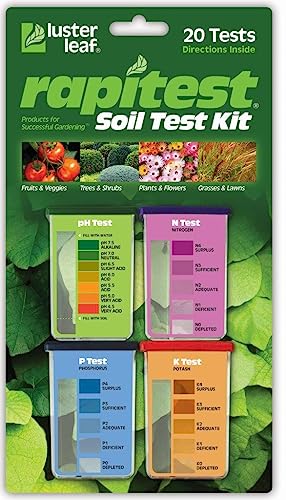
Quick, at home results for Soil pH, Nitrogen, Phosphorous and Potash Innovative and inexpensive soil test kit features an easy-to-use capsule system and patented color comparators

Kindly NOTE: This soil tester can not be applied to test pH value of any other liquid. If the soil is too dry the indicator will not move, and water it before testing.
Differences in Soil Needs
Blueberries thrive in acidic soil with a pH level between 4.5 and 5.5, while raspberries prefer slightly acidic to neutral soil ranging from 5.5 to 6.5 pH. When planting them together, ensure the soil is well-draining and rich in organic matter, providing the necessary nutrients for both plants’ growth.
Growth Habits and Climate Preferences
Blueberries are perennial shrubs that require full sun exposure to produce sweet berries. They prefer cooler climates and need consistent moisture levels. On the other hand, raspberries are also perennial but can be classified as either summer-bearing or everbearing varieties based on their fruiting habits. Raspberries thrive in various climates but generally prefer moderate temperatures with good air circulation to prevent diseases.
By understanding these fundamental differences in soil needs, growth habits, and climate preferences of blueberries and raspberries, you can create an optimal environment for both plants to flourish side by side in your garden.
Benefits of Planting Blueberries and Raspberries Together
When planting blueberries and raspberries together, you unlock several advantages that can enhance your gardening experience. Let’s explore these benefits in detail.
Pollination Enhancement
By planting blueberries and raspberries together, you can improve pollination efficiency. Bees attracted to raspberry flowers for nectar will also cross-pollinate the nearby blueberry bushes. This cross-pollination increases fruit yield and quality for both plants, leading to a bountiful harvest of delicious berries.
Space Optimization
Growing blueberries and raspberries side by side allows you to optimize space in your garden effectively. Blueberry bushes, with their upright growth habit, complement the spreading nature of raspberry canes. This complementary growth pattern enables you to make the most out of limited garden space while ensuring that each plant receives adequate sunlight and nutrients for optimal growth.
By understanding how planting blueberries and raspberries together benefits not only the plants themselves but also your overall gardening experience, you can create a vibrant and fruitful garden filled with these delightful berries.
Considerations and Challenges
When planting blueberries and raspberries together, you need to consider the following aspects for successful growth:
Recommended Products

6 Most Popular Fruits Included: 200pcs Strawberry, 200pcs Raspberry, 200pcs Mulberry, 200pcs Blueberry, 200pcs Elderberry, 10pcs Cherry, each variety is individually packaged and labeled with a product label for your easy identification

Premium Variety & Quantity: Each pack contains over 200 high-quality Northern Highbush Blueberry (Vaccinium corymbosum) seeds, providing an ample supply for starting a productive home orchard

[Seed Quantity Details] Contains 1000+ mixed berry seeds, specifically 700 strawberry seeds, 200 raspberry seeds, 80 grape seeds and 80 blueberry seeds, which can fully meet the planting needs of home gardens.
Soil pH and Nutrient Requirements
Ensure that the soil pH levels are suitable for both blueberries and raspberries. Blueberries prefer acidic soil with a pH range of 4.0 to 5.0, while raspberries thrive in slightly more neutral soil around pH 5.5 to 6.5. You can achieve this by amending the soil with organic matter like compost or peat moss to create an optimal growing environment for both types of berries.
Disease Management and Pest Control
To prevent diseases and pests from affecting your blueberry and raspberry plants, practice good garden hygiene by removing any fallen leaves or debris regularly. Consider applying organic fungicides or pesticides if necessary, ensuring they are safe for edible crops. Additionally, planting disease-resistant varieties of blueberries and raspberries can help mitigate potential issues, reducing the need for chemical interventions.
By paying attention to these considerations related to soil pH, nutrient requirements, disease management, and pest control, you can effectively cultivate a thriving garden with flourishing blueberry and raspberry plants that yield delicious fruits season after season.
Practical Tips for Co-Planting
Recommended Products

Easy to read digital output

Accurate Soil pH Testing: Dewildetradingco Soil pH Test Strips offer measurements of soil pH levels (pH 3.5-9). As an essential tool for every gardener and grower, these test strips help determine the optimal pH for various plants, such as outdoor plants, indoor plants, gardens, grass lawns, fruit trees, flowers, vegetables, and forest shrubs.

Designing the Layout
When planning your garden layout for planting blueberries and raspberries together, consider creating separate rows or sections for each berry type. This organization helps in managing soil conditions and potential diseases specific to each plant. Additionally, ensure a sufficient distance between blueberry and raspberry plants to prevent overcrowding and promote adequate airflow.
Maintenance and Care
To maintain healthy blueberries and raspberries when planted together, regularly monitor the soil pH levels to meet the specific requirements of each plant. Conduct soil tests annually and adjust pH as needed to create an optimal growing environment. Implement a mulching strategy using organic materials like pine needles or wood chips to retain moisture, suppress weeds, and provide essential nutrients to the plants throughout the growing season.
Conclusion
You now have a good understanding of the benefits and considerations when planting blueberries and raspberries together. By combining these berries in your garden, you can improve pollination and maximize space efficiently. Remember to focus on soil pH levels, nutrient needs, disease prevention, and pest management for successful growth. Separate rows or sections for each type of berry can help maintain optimal conditions. Proper spacing between plants is key to avoiding overcrowding and ensuring good airflow. Regular monitoring of soil pH, annual tests, and organic mulching are vital for keeping your blueberries and raspberries healthy when planted side by side. Happy gardening!
Frequently Asked Questions
Q: What are the benefits of growing blueberries and raspberries together in a garden?
A: Growing blueberries and raspberries together can enhance pollination efficiency and optimize garden space effectively.
Q: What considerations are important for successful growth of blueberries and raspberries together?
A: Considerations include soil pH, nutrient requirements, disease management, and pest control.
Q: How should I plan the layout when planting blueberries and raspberries together?
A: Separate rows or sections for each berry type are recommended to manage soil conditions and diseases effectively.
Q: Why is adequate spacing between blueberry and raspberry plants important?
A: Adequate spacing prevents overcrowding, promotes airflow, and helps maintain plant health.
Q: What maintenance practices are essential for healthy blueberries and raspberries when planted together?
A: Regular monitoring of soil pH levels, annual soil tests, and mulching with organic materials like pine needles or wood chips are crucial.
