

Have you ever watched in dismay as a late frost threatens your beautiful blooming fruit trees? It’s a frustrating situation many gardeners face. One night of unexpected chill can wipe out weeks of hard work and anticipation, leaving you wondering what went wrong.
But don’t worry. This article will guide you through effective strategies to shield your precious trees from frost damage. You’ll learn simple yet practical tips to keep your blooms safe, ensuring a bountiful harvest when the season rolls around. With a little preparation, you can protect your trees and enjoy the fruits of your labor.
Key Takeaways
- Understanding Frost Types: Familiarize yourself with radiation, advection, and frontal frost to recognize their effects on blooming fruit trees and implement specific protection strategies.
- Preemptive Location Choices: Plant fruit trees in warmer microclimates, avoiding low areas where cold air settles to minimize the risk of frost.
- Selecting Hardy Varieties: Choose fruit tree cultivars known for their hardiness, particularly those that bloom later in the season to reduce frost exposure.
- Effective Protection Methods: Employ techniques such as covering trees with frost cloths, using heat sources, and proper watering practices to safeguard your trees from damaging frost.
- Post-Frost Care: After frost events, assess for damage, prune affected areas, provide nutrition, and maintain consistent soil moisture to support recovery and strengthen tree health.
Understanding Frost and Its Impact
Frost poses a significant threat to blooming fruit trees, potentially damaging blossoms and reducing yields. Understanding the types of frost and their effects on your trees is crucial for successful protection.
Types of Frost
- Radiation Frost: Occurs on clear, calm nights when heat escapes from the ground. This type often affects low-lying areas first.
- Advection Frost: Happens when warm, moist air meets cold air. This type can move across regions, impacting trees over a larger area.
- Frontal Frost: Arises when cold fronts bring chilly air that quickly drops temperatures, usually alongside precipitation.
- Flower Damage: Frost lowers temperatures to the point where blossoms can freeze, affecting fruit set and reducing harvest yields.
- Fruit Development: Unprotected trees may suffer from stunted growth or misshapen fruit as frost can disrupt normal cell development.
- Tree Health: Frequent frost exposure weakens trees, leading to increased susceptibility to diseases and pests.
Protecting your blooming fruit trees from frost benefits your entire garden. Understanding frost types and effects allows you to implement targeted protection strategies effectively.
Preemptive Measures for Protection
You can take several steps to protect your blooming fruit trees from frost damage. The right approach ensures your trees thrive even in chilly conditions.
Recommended Products

The Large plant cover is perfect for Plant size 55''-70"high and 84''-94" round, Heavy-weight FRCs (1.77oz./sq. yard): usually used to extend the growing season in spring and fall, allow 40%-60% light transmittance, and recommend 3°-8°F of freeze protection

PACKAGE: The package includes 4Pcs plant covers,will meet your daily use or replacement. Measuring 31.5" x 47.3", the plant protector is waterproof, windproof.

Revolutionary Anti-freeze Protection: Plant covers freeze protection is made of 100% Reliable non-woven thickened polypropylene fabric Because the frost cloth fabric Thickness is 3.2 oz/yd² thicker and warmer, tear resistant than less expensive 1.3 oz/yd² fabric. Provides up to 2° F(-17℃) frost protection. In winter, frost blankets for outdoor plants can form a insulation layer for plants to isolate cold air and retain the oxygen required for plant respiration
Location and Microclimates
Choose locations for your fruit trees that benefit from warmer microclimates. Planting near south-facing walls or structures can create a sheltered environment. You’ll also want to avoid low areas where cold air settles, as these spots are more susceptible to frost. For instance, trees on elevated ground are less likely to experience frost than those in valleys.
Enhancing airflow around your trees can minimize frost risk. Ensure proper spacing between trees allows warm air to circulate. Additionally, consider using windbreaks like shrubs or fencing. These barriers can reduce frost and create a microclimate conducive to healthy growth.
Choosing Hardy Varieties
Selecting the right fruit tree varieties adds an extra layer of protection against frost. Opt for cultivars recognized for their hardiness and ability to withstand colder temperatures. Some varieties of apple, pear, and cherry trees bloom later, reducing frost risk.
Research those varieties that flourish in your zone; local extension services can provide valuable recommendations. For instance, consider adopting the ‘Granny Smith’ apple or ‘Bing’ cherry, known for their resilience.
Prioritize trees that are naturally more frost-resistant. These trees adapt better to late frosts, preserving your blooms and fruit potential. Adopting such measures allows you to grow and enjoy a bountiful harvest despite unpredictable weather.
Methods to Protect Blooming Fruit Trees
Protecting your blooming fruit trees from frost requires intentional strategies. Each method provides a layer of defense against chilly temperatures.
Recommended Products

The small plant cover is perfect for Plant size 16''-23"high and 36''-46" round, Heavy-weight FRCs (1.77oz./sq. yard): usually used to extend the growing season in spring and fall, allow 40%-60% light transmittance, and recommend 3°-8°F of freeze protection

THICKER MATERIAL: Our plant freeze protection cover is made of UV stabilized polypropylene. Upgraded thicker 0.9oz./sq.yard lightweight but durable. Soft plant covers are friendly and no harm to your plants. Breathable non-woven fabric allow light, air go through the frost cloths and reach the plants.
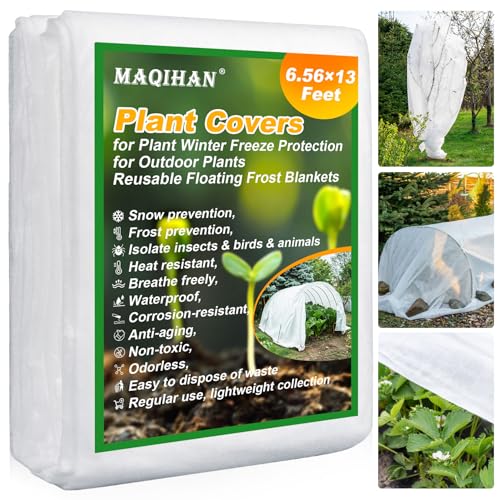
Product Features: Our plant covers are ideal for protecting all plant. Made from premium 1 oz/sq non-woven fabric, their durability and breathability ensuring both insulation against frost and facilitation of sunlight penetration for healthy plant growth
Covering Trees
Using protective coverings helps shield your trees from frost. Consider using frost cloths, burlap, or old blankets to wrap around the branches. Remember to remove coverings during the day to allow sunlight in. Use stakes or frames to keep the materials off the flowers and prevent damage. Additionally, you can cover the base of the tree to protect the roots.
Using Heat Sources
Introducing heat can safeguard your trees on chilly nights. String lights designed for outdoor use can generate warmth around the tree. You might also position small space heaters nearby, ensuring they’re safely away from any flammable materials. Additionally, placing large pots filled with warm water at the base of the tree can radiate heat throughout the night.
Watering Techniques
Proper watering techniques play a crucial role in frost protection. Water your trees before a predicted frost; moist soil absorbs heat better than dry soil. This helps create a warmer microenvironment around the roots. Furthermore, maintaining consistent moisture levels encourages healthier growth, making your trees more resilient to frost damage. Aim for deep watering to ensure roots absorb ample moisture.
By implementing these methods, you can effectively guard your blooming fruit trees against frost.
Post-Frost Care for Fruit Trees
After frost events, assess your fruit trees for potential damage. Check buds for browning or wilting, and look for discoloration on leaves and stems. Early detection simplifies recovery and helps you take timely action.
Recommended Products

DUAL CUTTING POWER: VERSATILE PRUNING COMBO --- With both Pruning Shears and Pruning Snip, this combo delivers unmatched versatility. Whether you're delicately trimming flowers and shrubs, tackling thicker tree branches, or tending to your vegetable and fruit garden, our combo pack excels in all areas. They're also perfect for landscaping projects and maintaining the health and appearance of indoor plants. With this pack, you have a versatile tool that simplifies your gardening tasks.

· ULTRA-SHARP SK5 STAINLESS STEEL - Engineered with premium SK5 stainless steel, these heavy duty pruning shears deliver razor-sharp precision and maximum hardness. The rust-resistant blades are designed to stay sharp longer, effortlessly resisting corrosion and sap buildup for smooth, friction-free garden shears performance year after year.
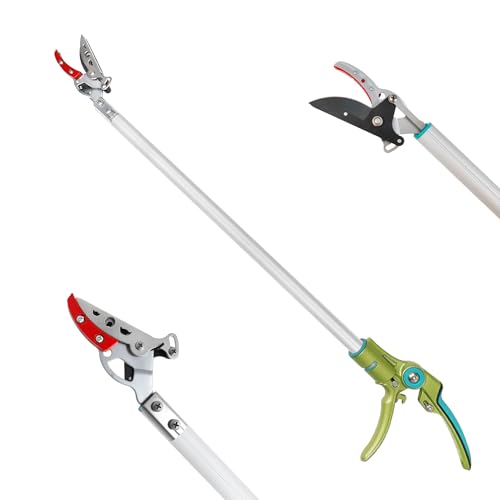
[REACH HIGH & STAY SAFE](No Ladder Required) Say goodbye to wobbly ladders! This 32inch long reach pole pruner offers an extra 30 inches of safe reach, allowing you to prune high branches or tall fruit trees while standing firmly on the ground. It’s the perfect extension tool for maintaining your backyard without the risk of falling.
Assessing Damage
- Inspect Buds: Examine flower buds for signs of frost damage. Healthy buds appear firm and green. Damaged buds may look brown, mushy, or shriveled.
- Check Leaves: Observe leaves for discoloration. Light green or yellowing leaves signal possible damage. Dead leaves may drop prematurely.
- Evaluate Branches: Examine branches for any signs of wilting or splitting. Damaged branches may develop lesions or other abnormalities.
- Prune Damaged Areas: Remove any damaged buds, leaves, or branches. This encourages new growth and helps prevent disease.
- Provide Nutrition: Apply a balanced fertilizer to support recovery. Look for fertilizers labeled with N-P-K ratios suited for fruit trees, like 10-10-10 or 15-15-15.
- Water Regularly: Maintain consistent soil moisture. Water trees deeply to promote strong root development, especially during dry spells.
- Use Mulch: Apply organic mulch around the base of the trees. Mulch retains soil moisture and regulates temperature, protecting roots from cold.
- Monitor Health: Keep an eye on tree health after frost events. Watch for pests or diseases that may target weakened trees.
By implementing these post-frost care strategies, you can facilitate recovery and improve the overall resilience of your fruit trees.
Conclusion
Protecting your blooming fruit trees from frost doesn’t have to be a daunting task. By staying informed about frost types and implementing the right strategies you can significantly reduce the risk of damage.
Remember to choose optimal planting locations and consider using protective coverings when cold weather hits. With a little preparation and care you can enjoy thriving trees and a fruitful harvest.
Don’t forget to monitor your trees after frost events and provide the necessary post-frost care. Your efforts will pay off as your trees bounce back stronger and healthier. Happy gardening!
Frequently Asked Questions
What causes frost damage to blooming fruit trees?
Frost damage occurs primarily when temperatures fall below freezing during the blooming period of fruit trees. The cold air can damage blossoms, hindering fruit development and weakening tree health. Different types of frost, such as radiation and advection frost, can further impact the trees in distinct ways.
How can I prevent frost damage to my fruit trees?
To prevent frost damage, consider planting your trees in warmer microclimates, like near south-facing walls. Use protective coverings, such as frost cloths or burlap, and introduce heat sources, like string lights or warm pots, to create a safer environment.
What are the best fruit tree varieties for cold climates?
Hardy fruit tree varieties, such as certain apple, pear, and cherry cultivars that bloom later in the season, are ideal for cold climates. These varieties are more resilient and less likely to suffer frost damage since they bloom after the last frost date.
How should I care for my fruit trees after a frost?
After a frost, inspect your trees for damage, looking for browning or wilting buds and leaves. Prune any damaged areas to promote new growth, ensure consistent soil moisture, and apply organic mulch for root protection. Monitor for pest or disease issues as well.
When should I cover my fruit trees for frost protection?
Cover your fruit trees in the evening before forecasts predict frost and remove the coverings by day to let sunlight in. This helps maintain warmth around the blooms and reduces the risk of frost damage during chilly nights.
