Close Menu
    Fruit Tree Hub
    • Home
    • Apple Trees
    • Lemon Trees
    • Mango Trees
    • Orange Trees
    • More Trees
      • Best Fruit Trees
      • Apricot Trees
      • Cherry Trees
      • Fig Trees
      • Lime Trees
      • Mulberry Trees
      • Peach Trees
      • Pear Trees
      • Plum Trees
      • Pomegranate Trees
    • Tips and Advice
      • Tools
    • About Us
      • Contact
      • Privacy Policy
    Fruit Tree Hub
    Home»Fruit Trees»Persimmon Trees»The Best Ways to Harvest Persimmon Fruit
    Persimmon Trees

    The Best Ways to Harvest Persimmon Fruit

    Lucy SmithBy Lucy SmithFebruary 10, 20244 Mins Read
    Share Facebook Twitter Pinterest WhatsApp Email
    optimal methods for gathering persimmons
    Share
    Facebook Twitter LinkedIn Pinterest Telegram Email

    Harvesting persimmon fruit is all about timing. Knowing when the fruit is perfectly ripe is key. It's a delicate process that requires a careful touch.

    Contents show
    1 Key Takeaways
    2 Choosing the Right Time to Harvest
    3 Selecting Ripe Persimmon Fruit
    3.1 Ripeness Indicators
    4 Using Proper Harvesting Techniques
    5 Storing Harvested Persimmons
    6 Maximizing Persimmon Yield
    7 Conclusion

    Whether you're an experienced gardener or just starting out, understanding the best way to harvest persimmons will ensure a great yield and delicious fruit.

    Key Takeaways

    • Monitor the color and firmness of the persimmons daily to determine the right time for harvesting.
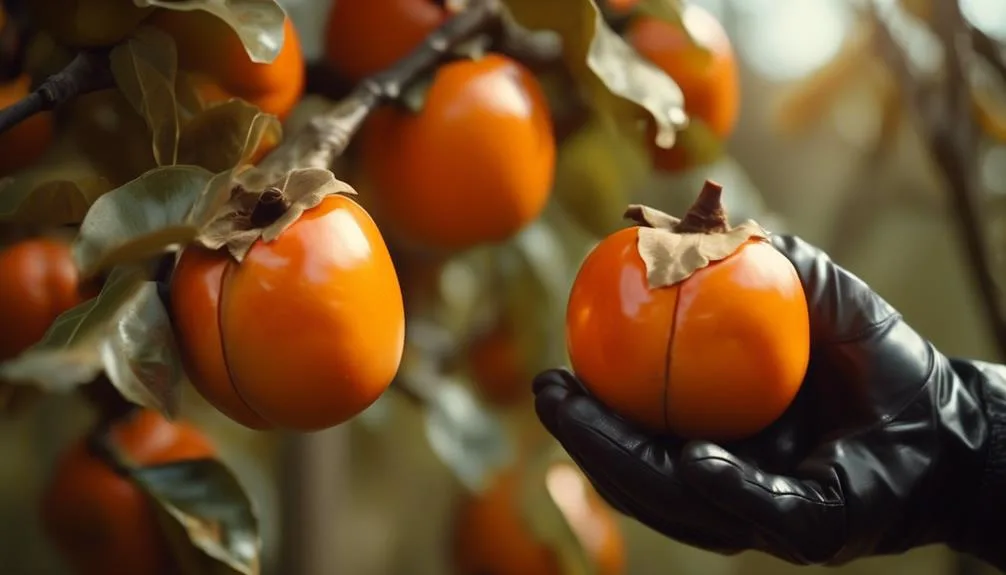
    • Look for deep orange to red skin and slight softness in the persimmons to ensure they are ripe.
    • Use sharp pruning shears to cut the fruit from the tree and handle the fruit with care to avoid bruising.
    • Store unripe persimmons at room temperature for gradual ripening and fully ripe persimmons in the refrigerator to prolong shelf life.

    Choosing the Right Time to Harvest

    To ensure you harvest persimmon fruit at its peak ripeness, carefully monitor the color and firmness of the fruit daily during the harvesting season. Look for persimmons that have a deep orange color and are slightly soft to the touch. These are key ripeness indicators that the fruit is ready to be picked.

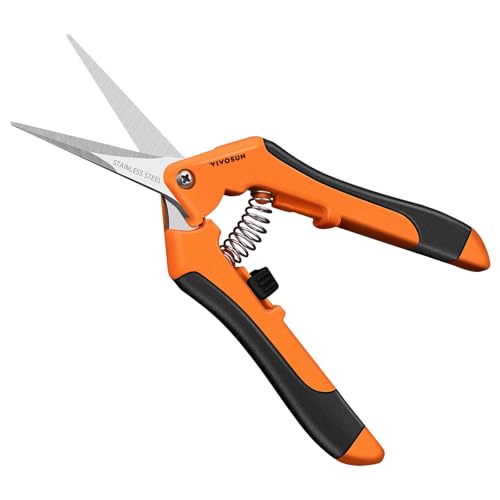
    When harvesting, be sure to use sharp pruning shears to cut the fruit from the tree. This helps prevent any damage to the tree or the remaining fruit.

    Additionally, having a harvesting bag or bucket with you is essential for collecting the persimmons. This will protect the fruit from bruising and ensure that it remains in optimal condition.

    MUST READ
    How to Use Persimmon Trees in Landscape Design

    Selecting Ripe Persimmon Fruit

    When selecting ripe persimmon fruit, assess the color, firmness, and overall appearance to ensure peak ripeness.

    Recommended Products

    Dried Persimmons - No Sugar Added Snack, 12.35oz, Sun-Ripened Fruit Slices
    Dried Persimmons - No Sugar Added Snack, 12.35oz, Sun-Ripened Fruit Slices

    PREMIUM DRIED FRUIT: Sun-ripened golden persimmons carefully dried to preserve sweetness, packed in a generous 12.35 oz resealable jar

    VIEW LATEST PRICE

    As an affiliate, we earn on qualifying purchases.

    Natural Dried Persimmons,Persimmons Fruit Fresh,Dehydrated No Added Sugar Driedfruit,Natural Sweet Fruit Snack,Fresh Picking On The Farm,Healthy Snacks(500g)
    Natural Dried Persimmons,Persimmons Fruit Fresh,Dehydrated No Added Sugar Driedfruit,Natural Sweet Fruit Snack,Fresh Picking On The Farm,Healthy Snacks(500g)

    【AUTHENTIC PERSIMMON SNACKS】: Dried Persimmon are made from high-quality seedless persimmons that are naturally dried, retaining their rich and sweet taste and chewy texture, bringing the most primitive flavor.

    VIEW LATEST PRICE

    As an affiliate, we earn on qualifying purchases.

    30+ Seed Date Plum Persimmon Fruit Tree Seeds for Planting Outdoor-Non-GMO Heirloom Sweet Fruit Plant in Your Home Garden
    30+ Seed Date Plum Persimmon Fruit Tree Seeds for Planting Outdoor-Non-GMO Heirloom Sweet Fruit Plant in Your Home Garden

    Make your hole twice as wide as the root ball and just as deep.

    VIEW LATEST PRICE

    As an affiliate, we earn on qualifying purchases.

    Ripeness Indicators

    1. Color: Look for persimmons with deep orange to red skin. Avoid green persimmons, as they aren't ripe.
    2. Firmness: Gently press the fruit. A ripe persimmon should yield slightly to pressure, similar to a ripe tomato.
    3. Overall Appearance: Check for plumpness and smooth, glossy skin. Wrinkled or blemished skin may indicate overripeness.

    Ripeness in persimmons is triggered by ethylene gas, which naturally occurs in the fruit and initiates the ripening process. By paying attention to these visual cues, you can select persimmons at their peak ripeness, ensuring the best flavor and texture.

    MUST READ
    Where to Plant Persimmon Trees for Best Fruit Production

    Using Proper Harvesting Techniques

    Once you have identified ripe persimmon fruit, utilizing proper harvesting techniques is essential to preserve their quality and flavor. When harvesting persimmons, it's important to engage in ethical harvesting and sustainable practices.

    To begin, gently grasp the fruit and twist it until it separates from the tree, being careful not to damage the branch or the surrounding fruit. Avoid pulling or tugging, as this can cause damage to the tree and affect future fruit production.

    Additionally, use sharp pruning shears to snip the stem about half an inch above the fruit, ensuring a clean cut that minimizes damage. Always handle the fruit with care to prevent bruising and maintain its integrity.

    Storing Harvested Persimmons

    You can prolong the freshness and flavor of harvested persimmons by storing them in a cool, dry location. Proper storage methods are essential to preserve the quality of the fruit and allow for a gradual ripening process. Here are some tips to help you store your harvested persimmons:

    1. Room Temperature: Keep unripe persimmons at room temperature to allow them to ripen slowly. Once they're fully ripe, store them in the refrigerator to prolong their shelf life.
    2. Separation: Store persimmons in a single layer to prevent them from getting bruised or damaged. Placing them in a single layer allows for better air circulation, which helps in preserving their freshness.
    3. Refrigeration: If your persimmons are fully ripe, store them in the refrigerator to extend their shelf life and maintain their flavor and texture.

    Following these storing methods will ensure that your persimmons ripen evenly and stay fresh for a longer period.

    MUST READ
    Can Persimmon Trees Thrive in Urban Environments

    Recommended Products

    Handwoven Seagrass Ripening Basket for Persimmons and Fruits Square
    Handwoven Seagrass Ripening Basket for Persimmons and Fruits Square

    Designed for specific fruits: tailored for ripening fruits like persimmons and mangoes, it helps maintain the fruits' and quality, baskets,seagrass storage bins

    VIEW LATEST PRICE

    As an affiliate, we earn on qualifying purchases.

    Seagrass Handwoven Ripening Basket for Persimmons and Mangoes
    Seagrass Handwoven Ripening Basket for Persimmons and Mangoes

    Flavor preservation: specially designed for ripening fruits, it ensures that persimmons and mangoes achieve their best taste and texture,shelf baskets,food storage bin

    VIEW LATEST PRICE

    As an affiliate, we earn on qualifying purchases.

    Square Seagrass Ripening Storage Basket for Persimmons and Fruits
    Square Seagrass Ripening Storage Basket for Persimmons and Fruits

    Optimal flavor preservation: specially designed for ripening fruits such as persimmons and mangoes, ensuring the best possible taste and texture,handwoven basket boxes,sundries basket

    VIEW LATEST PRICE

    As an affiliate, we earn on qualifying purchases.

    Maximizing Persimmon Yield

    To maximize the yield of persimmon fruit, it's essential to understand the optimal harvesting techniques and environmental conditions for cultivation.

    Pruning methods play a crucial role in maximizing persimmon yield. Regular pruning helps to remove dead or diseased branches, allowing the tree to allocate more energy to fruit production. It also promotes the growth of new shoots and increases sunlight exposure to the fruit-bearing branches. Proper pruning encourages better fruit development and overall tree health.

    Additionally, maintaining soil fertility is key to maximizing persimmon yield. Conducting soil tests and providing appropriate nutrients can significantly impact the fruit-bearing capacity of persimmon trees. Ensuring that the soil has the right balance of essential nutrients such as nitrogen, phosphorus, and potassium can lead to higher yields and better-quality fruit.

    MUST READ
    How to Choose the Right Persimmon Tree Variety

    Conclusion

    Incorporating these best practices for harvesting persimmon fruit will yield a bountiful and delectable harvest.

    By timing the harvest right, selecting ripe fruit, using proper techniques, and storing them correctly, you can maximize your persimmon yield.

    Now, savor the sweet taste of success and enjoy the fruits of your labor.

    Happy harvesting!

    Share. Facebook Twitter Pinterest LinkedIn Tumblr Email
    lucy smith
    Lucy Smith
    • Website

    Lucy Smith is a highly experienced horticulturist with a passion for fruit tree cultivation. She holds a degree in Horticulture from the University of California, Davis, and has worked in various roles in the industry. With over 10 years of experience, Lucy is dedicated to using eco-friendly methods for sustainable gardening practices.

    Related Posts

    Why Do Persimmon Trees Have Distinctive Bark

    February 12, 2024

    Can Persimmon Trees Adapt to Climate Change

    February 12, 2024

    Creating a Wildlife Habitat With Persimmon Trees

    February 12, 2024

    Where Are Persimmon Trees Considered Invasive

    February 12, 2024

    Is Persimmon Tree Pollen Allergenic

    February 11, 2024

    Can Persimmon Trees Be Used in Herbal Teas

    February 11, 2024
    Leave A Reply Cancel Reply

    Affiliate Disclosure

    As an Amazon Associate I earn from qualifying purchases.

    Recommended Reading

    Growing Persimmon Trees in Indiana (Hoosier State Variety Guide)

    What Is the Fruit of Poisonous Tree Doctrine and Its Impact on Legal Rights and Evidence

    Best Fruit Trees for Heavy Clay Soil: Tips for Thriving Harvests

    How to Keep Birds from Eating Fruit Off Trees with Effective Deterrent Strategies

    5 Best Fertilizers for Pomegranate Trees to Boost Your Harvest

    Orange Trees in a Pot in Illinois (Indoor and Patio Care Guide)

    Quince Trees in a Pot in Dallas, TX: Surviving Summer Heat

    How to Store Concord Grapes for Freshness All Year Round

    What is the Fruit of a Palm Tree Called and Its Importance in Culinary and Cultural Contexts

    Jujube Trees in Chesapeake, VA (Coastal Planting Secrets)

    Fruit Tree Hub

    Fruit Tree Hub is a website dedicated to providing you everything you need to grow fruit trees successfully at in your own yard.

    Contact us at: [email protected]

    - AFFILIATE DISCLOSURE: As an Amazon Associate I earn from qualifying purchases.

    Latest Posts

    Can Olive Trees Grow in New Jersey? Garden State Growth Tips

    Can Star Fruit Trees Grow in Missouri? Expert Variety Guide

    How to Grow Jujube Trees in Las Vegas, NV: Desert Growth

    Mango Trees in Illinois: Indoor and Greenhouse Growth Secrets

    Growing Papaya Trees in Oklahoma: High Heat Resilience

    Tamarind Trees in a Pot in Ohio (Complete Maintenance Manual)

    Can Fig Trees Grow in Long Beach, CA? Coastal Salt Tips

    Plum Trees in District of Columbia (Urban Microclimate Tips)

    Categories
    • Almond Trees
    • Apple Trees
    • Apricot Trees
    • Best Fruit Trees
    • Blackberry
    • Cantaloupe
    • Cherry Trees
    • Crochet Ideas
    • Crochet Ideas for Beginners
    • Cucamelon
    • Easy Crochet Ideas
    • Easy Knitting Projects
    • Fig Trees
    • Grapefruit Trees
    • Grapes
    • Guava Trees
    • Honeydew
    • Jujube Trees
    • Kiwi
    • Knitting For Beginners
    • Knitting Ideas
    • Knitting Inspiration
    • Lemon Trees
    • Lime Trees
    • Loquat Trees
    • Mango Trees
    • Mulberry Trees
    • Nectarine Trees
    • Olive Trees
    • Orange Trees
    • Papaya Trees
    • Peach Trees
    • Pear Trees
    • Persimmon Trees
    • Planting
    • Plum Trees
    • Pomegranate Trees
    • Quince Trees
    • Raspberry
    • Reviews
    • Small Crochet Ideas
    • Star Fruit Trees
    • Summer Crochet Ideas
    • Tamarind Trees
    • Tangerine Trees
    • Tips and Advice
    • Tools
    • Uncategorized
    • Walnut Trees
    © 2026 Fruit Tree Hub
    • Home
    • About Us
    • Contact
    • Privacy Policy
    • Terms and Conditions
    • Disclaimer
    • Editorial Policy
    • Affiliate Disclosure

    Type above and press Enter to search. Press Esc to cancel.