

Close Menu
    Fruit Tree Hub
    • Home
    • Apple Trees
    • Lemon Trees
    • Mango Trees
    • Orange Trees
    • More Trees
      • Best Fruit Trees
      • Apricot Trees
      • Cherry Trees
      • Fig Trees
      • Lime Trees
      • Mulberry Trees
      • Peach Trees
      • Pear Trees
      • Plum Trees
      • Pomegranate Trees
    • Tips and Advice
      • Tools
    • About Us
      • Contact
      • Privacy Policy
    Fruit Tree Hub
    Home»Fruit Trees»Persimmon Trees»How to Use Persimmon Trees in Landscape Design
    Persimmon Trees

    How to Use Persimmon Trees in Landscape Design

    Lucy SmithBy Lucy SmithFebruary 8, 20245 Mins Read
    Share Facebook Twitter Pinterest WhatsApp Email
    incorporating persimmon trees beautifully
    Share
    Facebook Twitter LinkedIn Pinterest Telegram Email

    If you want to add timeless elegance to your landscape, consider planting persimmon trees. These trees offer fiery fall foliage and delicious fruit, making them a great addition to any outdoor space.

    Contents show
    1 Key Takeaways
    2 Selecting the Right Variety
    3 Placement and Spacing
    4 Incorporating Persimmon Trees in Design
    5 Maintenance and Care Tips
    6 Enhancing the Landscape With Persimmon Trees
    7 Conclusion

    Whether you're an experienced gardener or just starting out, understanding how to incorporate persimmon trees can enhance the beauty and functionality of your landscape. From choosing the right variety to enhancing your outdoor aesthetic, there are many factors to consider.

    Key Takeaways

    • Consider climate, soil conditions, and available space when selecting the right persimmon tree variety for optimal growth and fruit production.
    • Plant persimmon trees at least 15-20 feet apart for proper airflow and sunlight penetration.
    • Choose locations with well-draining soil and full sunlight for at least six hours a day to ensure the health and maintenance of persimmon trees.
    • Regularly prune trees, add organic matter to the soil, water deeply and regularly, and address pests and diseases promptly for proper maintenance and care of persimmon trees in the landscape.

    Selecting the Right Variety

    When selecting the right variety of persimmon tree for your landscape, consider the climate, soil conditions, and available space to ensure optimal growth and fruit production.

    Persimmon trees thrive in well-draining, slightly acidic soil with a pH range of 6.0 to 6.5. Before choosing a variety, it's crucial to test your soil to ensure it meets these requirements.

    Some persimmon tree varieties, such as the Fuyu and Jiro, are more tolerant of different soil types, including clay, while others, like the Hachiya, prefer well-drained loamy soil. Understanding your soil type will help you select a variety that will thrive in your specific conditions.

    MUST READ
    Is Leaf Drop Normal for Persimmon Trees

    Additionally, consider the climate in your region to choose a persimmon tree variety that's best suited to the temperature and weather patterns in your area.

    Recommended Products

    TomorrowSeeds - Japanese Persimmon Tree Seeds - 30+ Count - for 2026 Planting Diospyros Kaki Fuyu Hachiya Asian Chinese Oriental Sharon Perennial Fruit Grow Your Own Home Farm Patio Healthy
    TomorrowSeeds - Japanese Persimmon Tree Seeds - 30+ Count - for 2026 Planting Diospyros Kaki Fuyu Hachiya Asian Chinese Oriental Sharon Perennial Fruit Grow Your Own Home Farm Patio Healthy

    Produces sweet and flavorful Kaki Persimmons that can be eaten fresh or dried
    VIEW LATEST PRICE

    As an affiliate, we earn on qualifying purchases.

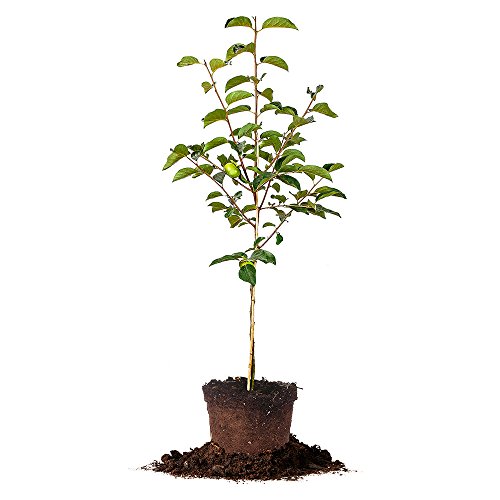
    Perfect Plants Fuyu Persimmon Tree, 3-4 ft, Live Plant
    Perfect Plants Fuyu Persimmon Tree, 3-4 ft, Live Plant

    The Fuyu Persimmon is a non-astringent, sweet, delicious treat

    VIEW LATEST PRICE

    As an affiliate, we earn on qualifying purchases.

    Perfect Plants Fuyu Jiro Persimmon Tree, 4-5 ft, Live Plant
    Perfect Plants Fuyu Jiro Persimmon Tree, 4-5 ft, Live Plant

    GET FRUIT IN THE FIRST YEAR — Mature Trees Flower & Produce After 1-3 Years

    VIEW LATEST PRICE

    As an affiliate, we earn on qualifying purchases.

    Placement and Spacing

    Consider placing persimmon trees in an area that receives full sunlight for at least six hours a day to ensure optimal growth and fruit production. When deciding on the ideal locations for your persimmon trees, keep the following spacing considerations in mind:

    1. Spacing Between Trees: Plant persimmon trees at least 15-20 feet apart to allow for adequate airflow and sunlight penetration, which promotes healthy growth and reduces the risk of disease.
    2. Distance from Structures: Ensure that the trees are positioned at least 20-25 feet away from buildings, walkways, and other structures to prevent potential damage from the tree's roots and to allow for their mature size.
    3. Sun Exposure: Select areas with unobstructed access to sunlight, as persimmon trees thrive in full sun and may produce better fruit when exposed to ample sunlight.
    4. Soil Drainage: Choose locations with well-draining soil to prevent waterlogged conditions, which can lead to root rot and other problems.
    MUST READ
    Is Persimmon Tree Mulch Beneficial for Gardens

    Incorporating Persimmon Trees in Design

    To enhance the visual appeal and functionality of your landscape, integrate persimmon trees strategically into your design, ensuring a harmonious balance between aesthetics and practicality.

    Tree placement is crucial – consider the tree's mature size and shape when deciding where to plant them. Persimmon trees make excellent focal points, so plant them where they can draw the eye and anchor the design.

    Additionally, consider how they'll interact with other elements in your landscape. When it comes to tree maintenance, ensure that the trees are placed in an area with proper sunlight and well-draining soil. Regular pruning and shaping will help maintain their form and health, while also preventing overcrowding.

    Maintenance and Care Tips

    Integrating persimmon trees into your landscape design requires regular maintenance and care to ensure their health and visual appeal remains at its peak. Here are some essential maintenance and care tips to keep your persimmon trees thriving:

    1. Pruning Techniques: Regularly prune your persimmon trees to remove dead or diseased branches, improve airflow, and shape the tree for aesthetic appeal.
    2. Soil Fertility: Ensure the soil around your persimmon trees is fertile by adding organic matter such as compost or well-rotted manure. This helps provide essential nutrients for healthy growth.
    3. Watering: Water your persimmon trees deeply and regularly, especially during dry spells, to maintain soil moisture levels.
    4. Pest and Disease Control: Keep an eye out for common pests and diseases, and take appropriate measures to prevent or address any issues promptly.

    Recommended Products

    Fiskars 28” Garden Bypass Loppers, Tree Trimmer with 1.5" Cut Capacity
    Fiskars 28” Garden Bypass Loppers, Tree Trimmer with 1.5" Cut Capacity

    IDEAL BRANCH TRIMMER: 28" Steel blade garden bypass lopper that glides through up to 1.5" thick branches for easy cuts; Works well for trimming tree branches to maintain your yard and garden, and to encourage overall plant health and appearance
    MUST READ
    Is Persimmon Wood Good for Crafting
    VIEW LATEST PRICE

    As an affiliate, we earn on qualifying purchases.

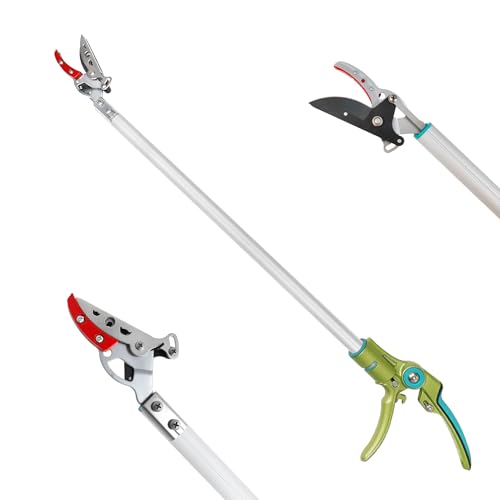
    GARTOL 32 Inch Cut and Hold Pole Pruner - Lightweight Long Reach Tree Trimmer with Snip and Grip Technology, 1/2 Inch Cutting Capacity, One-Hand Use Fruit Picker for Roses, Persimmons & Tall Branches
    GARTOL 32 Inch Cut and Hold Pole Pruner - Lightweight Long Reach Tree Trimmer with Snip and Grip Technology, 1/2 Inch Cutting Capacity, One-Hand Use Fruit Picker for Roses, Persimmons & Tall Branches

    [REACH HIGH & STAY SAFE](No Ladder Required) Say goodbye to wobbly ladders! This 32inch long reach pole pruner offers an extra 30 inches of safe reach, allowing you to prune high branches or tall fruit trees while standing firmly on the ground. It’s the perfect extension tool for maintaining your backyard without the risk of falling.

    VIEW LATEST PRICE

    As an affiliate, we earn on qualifying purchases.

    FJYXCHENXM Ring Barking Cutter Scissor, 2 PCS,Professional Grafting Tool
    FJYXCHENXM Ring Barking Cutter Scissor, 2 PCS,Professional Grafting Tool

    Premium Material Construction: Crafted from premium carbon steel using exquisite techniques, these tools boast exceptional hardness, resilience to wear, and a robust construction, ensuring long-lasting performance

    VIEW LATEST PRICE

    As an affiliate, we earn on qualifying purchases.

    Enhancing the Landscape With Persimmon Trees

    Enhance your landscape with the timeless beauty and vibrant presence of persimmon trees.

    These trees offer seasonal appeal with their striking foliage that transitions from glossy green to fiery orange and red in the fall. The visual interest they bring is unparalleled, making them a stunning focal point in any garden.

    Not only do persimmon trees elevate the aesthetics of your landscape, but they also attract a variety of wildlife, providing ecological benefits. Birds and other wildlife are drawn to the fruit, enriching the natural environment around your home.

    Additionally, persimmon trees are known for their low maintenance and adaptability to various soil types, making them an excellent choice for adding both beauty and functionality to your outdoor space.

    MUST READ
    Where to Find the Oldest Persimmon Trees

    Conclusion

    Incorporating persimmon trees into your landscape design can truly elevate the beauty and charm of your outdoor space. With the right variety, strategic placement, and proper care, these trees can enhance the overall aesthetic appeal of your garden or yard.

    Whether it's for their vibrant foliage, delicious fruit, or unique structure, persimmon trees offer versatility and stunning beauty to any landscape design. Consider the impact these trees can have on your outdoor environment and the joy they can bring to your surroundings.

    Share. Facebook Twitter Pinterest LinkedIn Tumblr Email
    lucy smith
    Lucy Smith
    • Website

    Lucy Smith is a highly experienced horticulturist with a passion for fruit tree cultivation. She holds a degree in Horticulture from the University of California, Davis, and has worked in various roles in the industry. With over 10 years of experience, Lucy is dedicated to using eco-friendly methods for sustainable gardening practices.

    Related Posts

    Why Do Persimmon Trees Have Distinctive Bark

    February 12, 2024

    Can Persimmon Trees Adapt to Climate Change

    February 12, 2024

    Creating a Wildlife Habitat With Persimmon Trees

    February 12, 2024

    Where Are Persimmon Trees Considered Invasive

    February 12, 2024

    Is Persimmon Tree Pollen Allergenic

    February 11, 2024

    Can Persimmon Trees Be Used in Herbal Teas

    February 11, 2024
    Leave A Reply Cancel Reply

    Affiliate Disclosure

    As an Amazon Associate I earn from qualifying purchases.

    Recommended Reading

    Can Quince Trees Be Grown Indoors

    Are Persimmon Trees Fast Growing

    What Do Blackberries Grow On: Unveiling the Secrets of Blackberry Plant Growth

    Can Almond Trees Be Grafted

    Can You Grow Fruit Trees in Raised Beds: Tips for Thriving Fruit in Small Spaces

    How to Control Pests on Loquat Trees

    How to Stop Birds from Eating Your Fruit Trees: Effective Techniques and Tips for Gardeners

    Olive Trees in Maryland (Mid-Atlantic Planting and Care)

    Best Fruit Trees for Idaho: A Guide to Thriving in Idaho’s Unique Climate

    How to Plant Fruit Trees in Texas: Essential Tips for a Thriving Backyard Orchard

    Fruit Tree Hub

    Fruit Tree Hub is a website dedicated to providing you everything you need to grow fruit trees successfully at in your own yard.

    Contact us at: [email protected]

    - AFFILIATE DISCLOSURE: As an Amazon Associate I earn from qualifying purchases.

    Latest Posts

    21 Colorful Halloween Crochet Motifs Featuring Pumpkins Bats and Black Cats

    23 Smart Halloween Crochet Ideas to Sell as Keychains and Coasters

    22 Fun Halloween Crochet Ideas Built Around Treat Bags and Hats

    23 Adorable Halloween Amigurumi Ideas Featuring Ghosts and Black Cats

    22 Compact Halloween Crochet Decorations for Shelves and Small Spaces

    19 Practical Halloween Crochet Decorations Designed for Tabletop Displays

    24 Cozy Halloween Crochet Decor Ideas Built Around Mantel Garlands

    19 Playful Kawaii Halloween Crochet Ideas Featuring Smiling Spooky Characters

    Categories
    • Almond Trees
    • Apple Trees
    • Apricot Trees
    • Best Fruit Trees
    • Blackberry
    • Cantaloupe
    • Cherry Trees
    • Crochet Ideas
    • Crochet Ideas for Beginners
    • Cucamelon
    • Easy Crochet Ideas
    • Easy Knitting Projects
    • Fall Crochet Ideas
    • Fig Trees
    • Grapefruit Trees
    • Grapes
    • Guava Trees
    • Halloween Crochet Ideas
    • Honeydew
    • Jujube Trees
    • Kiwi
    • Knitting For Beginners
    • Knitting Ideas
    • Knitting Inspiration
    • Lemon Trees
    • Lime Trees
    • Loquat Trees
    • Mango Trees
    • Mulberry Trees
    • Nectarine Trees
    • Olive Trees
    • Orange Trees
    • Papaya Trees
    • Peach Trees
    • Pear Trees
    • Persimmon Trees
    • Planting
    • Plum Trees
    • Pomegranate Trees
    • Quince Trees
    • Raspberry
    • Reviews
    • Small Crochet Ideas
    • Star Fruit Trees
    • Summer Crochet Ideas
    • Tamarind Trees
    • Tangerine Trees
    • Tips and Advice
    • Tools
    • Uncategorized
    • Walnut Trees
    © 2026 Fruit Tree Hub
    • Home
    • About Us
    • Contact
    • Privacy Policy
    • Terms and Conditions
    • Disclaimer
    • Editorial Policy
    • Affiliate Disclosure

    Type above and press Enter to search. Press Esc to cancel.