

Have you ever wondered whether passion fruit grows on a tree? You’re not alone! Many people are curious about this tropical delight and its growth habits. It’s easy to assume that such a vibrant fruit must come from a sturdy tree, but the truth might surprise you.
Key Takeaways
- Passion Fruit Origin: Passion fruit grows on the Passiflora vine, not a tree, reaching lengths of up to 30 feet.
- Vine Characteristics: The vine has large, glossy leaves and unique, ruffled flowers that attract pollinators like bees and butterflies.
- Fruit Production Timeline: Expect to harvest passion fruit within 12 to 18 months after planting the vine.
- Optimal Growing Conditions: Requires full sun, well-drained soil, consistent moisture, and support structures like trellises for successful growth.
- Temperature Sensitivity: Thrives in warm climates (65°F to 85°F) and is sensitive to frost, making container gardening useful in cooler regions.
- Variety Options: Common varieties include Purple Passion Fruit, Golden Passion Fruit, Giant Granadilla, and Lilikoi, each with unique flavors and uses.
Understanding Passion Fruit
Passion fruit originates from the Passiflora vine, not a tree. This tropical fruit grows on climbing plants that can reach lengths of up to 30 feet. The vine features strong tendrils to support its ascent and attaches to trellises, fences, or other plants.
Characteristics of Passion Fruit Vines
- Growth Habit: The passion fruit vine thrives as a perennial climbing plant.
- Leaves: Large, lobed leaves are glossy and can grow up to 10 inches long.
- Flowers: Unique flowers appear as large, colorful structures with a distinct ruffled appearance, attracting pollinators like bees and butterflies.
- Fruits: The round fruits measure between 2 to 4 inches in diameter and vary in color from purple to yellow when ripe.
Cultivation Tips
- Planting Location: Choose a sunny spot with well-drained soil for optimal growth.
- Support Structures: Provide trellises or fences for the vine to climb and spread.
- Watering: Keep the soil consistently moist, but avoid waterlogging.
- Fertilizing: Use a balanced fertilizer every six to eight weeks during the growing season.
- Can passion fruit survive in colder climates?
Passion fruit thrives in warm, tropical conditions. In colder areas, consider container gardening to move the plants indoors during frost. - How long until passion fruit bears fruit?
Expect fruit production within 12 to 18 months after planting the vine.
Understanding the characteristics and growth habits of passion fruit helps clarify misconceptions surrounding its cultivation. Knowing these details equips you with the knowledge to successfully grow this vibrant fruit.
Characteristics of Passion Fruit
Passion fruit features distinct characteristics that set it apart as a unique plant within its environment.
Recommended Products
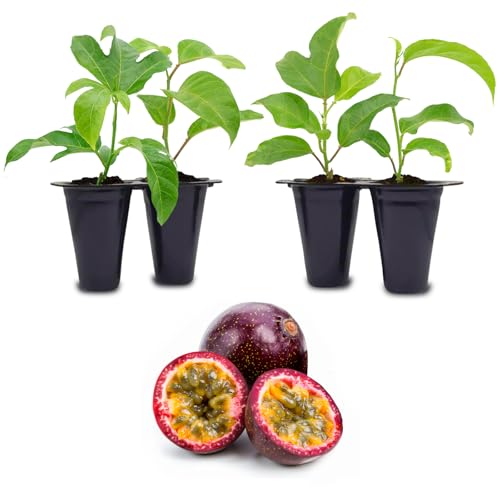
📦 WHAT YOU’LL GET — 4 live starter plants of ‘Possum Purple’ passion fruit (Maracuyá)—healthy starts ready for trellises, arbors, or large patio pots.
Vigorous Climber 🌿: These live starter plants for planting grow rapidly, covering trellises, fences, or arbors, adding lush greenery to your space.

Sturdy & Heavy-Duty PE Coated Steel Construction – Made of high-strength steel pipe with a PE coating (25mm/1 inch thick), this grape trellis is built to last. It resists rust, UV rays, and harsh weather, supporting heavy vines like grapes, kiwis, passion fruit, roses, and wisteria without bending or breaking.
Physical Description
Passion fruit vines grow large, glossy leaves that can reach up to 5 inches long. The flowers consist of five white or purple petals and are adorned with intricate filaments, which attract various pollinators. The fruit itself is round to oval-shaped and typically varies in color. Ripe passion fruits can be purple, yellow, or green, depending on the variety. The pulp inside contains numerous small, black seeds surrounded by a juicy, aromatic layer. This pulp has a sweet-tart flavor that is popular in beverages and desserts.
Growth Habits
Passion fruit vines can extend up to 30 feet, showcasing their vigorous climbing ability. These vines prefer warm climates and thrive in sunny locations with well-drained soil. It’s best to provide support structures like trellises or fences for optimal growth. Passion fruit requires consistent watering but can tolerate brief dry spells once established. Typically, these vines start producing fruit within 12 to 18 months after planting and can yield fruit for several years under proper care. Regular pruning helps maintain vine health and enhances fruit production.
Is Passion Fruit a Tree?
Passion fruit doesn’t grow on a tree; it grows on a vine known as Passiflora. This vine can stretch up to 30 feet long, creating a lush, green display.
Comparison with Trees
Unlike trees, passion fruit vines are herbaceous, meaning they lack the woody structure. Vines climb using tendrils and support systems, while trees grow upright with a trunk. For example, passion fruit thrives on trellises or fences, allowing it to reach sunlight and support its heavy fruits. Trees, on the other hand, remain stationary. While trees take years to mature, passion fruit vines can bear fruit in just 12 to 18 months after planting, making them quicker options for fruit production.
Lifecycle Stages
The lifecycle of a passion fruit vine includes several stages:
- Germination: Seeds sprout under optimal conditions, usually with warmth and moisture.
- Vegetative Growth: Vines grow rapidly, producing leaves and tendrils for climbing.
- Flowering: Unique flowers emerge, attracting pollinators like bees and butterflies for fertilization.
- Fruit Development: After pollination, fruits begin to develop, taking around 3 months to mature.
- Harvesting: Ripe fruit can be harvested when its skin shows color changes.
By recognizing these stages, you can manage your growing passion fruit vine effectively, ensuring an abundant harvest.
Cultivation of Passion Fruit
Passion fruit thrives in warm climates and requires specific conditions to grow successfully. Here are the key aspects of cultivating this delicious fruit.
Growing Conditions
- Sunlight: Choose a location that receives full sun for at least six hours daily. This sunlight boosts growth and fruit production.
- Soil: Use well-drained, nutrient-rich soil. A pH level between 6.0 and 7.0 works best for optimal growth.
- Watering: Water deeply but infrequently once established. Allow the top inch of soil to dry out between waterings to prevent root rot.
- Support: Provide a sturdy trellis or fence for the vine to climb. This support helps maximize airflow and sunlight exposure.
- Climate: Maintain a temperature range of 65°F to 85°F for ideal growth. Protect the vine from frost, as it can damage young plants.
- Purple Passion Fruit: This traditional variety features a dark purple skin and tangy flavor. It’s known for its aromatic scent and is widely used in culinary applications.
- Golden Passion Fruit: With a smooth yellow skin, this variety is slightly sweeter than the purple counterpart. It’s often used in juices and desserts.
- Giant Granadilla: Unlike typical passion fruits, this variety boasts larger fruits. It has a milder taste, making it a unique addition to fruit salads.
- Lilikoi: Popular in Hawaii, lilikoi offers a distinct tartness. Its vibrant yellow-purple skin and aromatic pulp make it a favorite among locals.
By understanding these growing conditions and common varieties, you can successfully cultivate passion fruit in your own garden.
Conclusion
Now that you know passion fruit comes from a vine rather than a tree you can appreciate its unique growing habits. These vibrant vines not only produce delicious fruit but also add beauty to your garden with their stunning flowers and lush foliage.
By following the right cultivation tips and understanding their lifecycle you can enjoy a bountiful harvest of this tropical delight. Whether you’re considering planting your own or simply enjoying the fruit in your favorite recipes passion fruit is sure to bring a burst of flavor to your life. Happy gardening and enjoy those sweet-tart treats!
Frequently Asked Questions
Does passion fruit grow on a tree?
Passion fruit does not grow on a tree; it grows on a herbaceous vine known as Passiflora. This climbing plant can reach lengths of up to 30 feet, using tendrils to support itself.
How long does it take for passion fruit to produce fruit?
Passion fruit typically starts producing fruit within 12 to 18 months after planting. With proper care and optimal conditions, the vine can yield fruit for several years.
What are the ideal growing conditions for passion fruit?
Passion fruit thrives in full sunlight and well-drained, nutrient-rich soil. It also requires regular watering, sturdy support for climbing, and a warm climate to flourish.
What varieties of passion fruit exist?
Common varieties of passion fruit include Purple Passion Fruit, Golden Passion Fruit, Giant Granadilla, and Lilikoi. Each variety offers unique flavors and culinary uses, appealing to diverse tastes.
How often should I prune my passion fruit vine?
Regular pruning is recommended to maintain vine health and promote better fruit production. Prune your passion fruit vine at least once a year to encourage airflow and remove dead or unwanted growth.
