
Close Menu
    Fruit Tree Hub
    • Home
    • Apple Trees
    • Lemon Trees
    • Mango Trees
    • Orange Trees
    • More Trees
      • Best Fruit Trees
      • Apricot Trees
      • Cherry Trees
      • Fig Trees
      • Lime Trees
      • Mulberry Trees
      • Peach Trees
      • Pear Trees
      • Plum Trees
      • Pomegranate Trees
    • Tips and Advice
      • Tools
    • About Us
      • Contact
      • Privacy Policy
    Fruit Tree Hub
    Home»Fruit Trees»Persimmon Trees»How to Choose the Right Persimmon Tree Variety
    Persimmon Trees

    How to Choose the Right Persimmon Tree Variety

    Lucy SmithBy Lucy SmithFebruary 8, 20244 Mins Read
    Share Facebook Twitter Pinterest WhatsApp Email
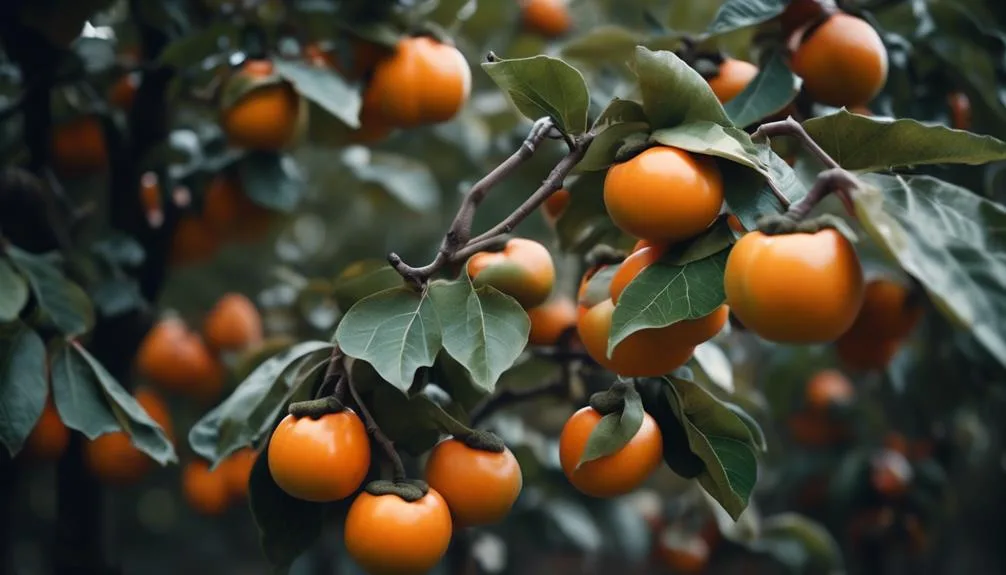
    selecting the perfect persimmon tree
    Share
    Facebook Twitter LinkedIn Pinterest Telegram Email

    Choosing the right persimmon tree for your garden can be tricky with so many options available. Factors like climate, fruit traits, and disease resistance play a role in making the best choice.

    Contents show
    1 Key Takeaways
    2 Understanding Persimmon Tree Varieties
    3 Considerations for Climate and Location
    4 Evaluating Fruit Characteristics
    5 Selecting Disease-Resistant Varieties
    6 Sourcing Quality Trees
    7 Conclusion

    Let's explore the key considerations for selecting the perfect persimmon tree variety for your garden.

    Key Takeaways

    • Understanding the characteristics and growth habits of different persimmon tree varieties is crucial for a successful harvest.
    • Consider the climate and location suitability, including factors such as temperature range, chilling hours, soil quality, drainage, and sun exposure.
    • Evaluate fruit characteristics such as sweetness, texture, ripening time, fruit color, and astringency levels to choose a variety that aligns with personal preferences.
    • Prioritize disease-resistant varieties to ensure tree health, high fruit quality, and reduced reliance on chemical treatments.

    Understanding Persimmon Tree Varieties

    When selecting a persimmon tree variety, it's essential to understand the different characteristics and growth habits of each type to ensure a successful and bountiful harvest.

    First, consider the tree size. Some varieties, like the American persimmon, can grow up to 35 feet tall, while others, such as the Fuyu persimmon, are more compact, reaching around 15 feet. Understanding the tree size is crucial for planning the orchard layout and ensuring adequate space for growth.

    Additionally, consider the pollination requirements. Some persimmon varieties are self-fertile, meaning they can produce fruit with their own pollen, while others require cross-pollination. It's important to know the specific pollination needs of your chosen variety to guarantee a fruitful harvest.

    MUST READ
    Where to Find the Oldest Persimmon Trees

    Considerations for Climate and Location

    Considering the climate and location for your persimmon trees is crucial for ensuring a successful and thriving orchard. Climate compatibility and location suitability play a significant role in the health and productivity of your persimmon trees.

    Here are some essential considerations to keep in mind:

    1. Climate Compatibility: Evaluate the average temperature range, chilling hours, and humidity levels in your area. Persimmon trees have varying cold hardiness and heat tolerance, so it's essential to choose a variety that aligns with your local climate.
    2. Location Suitability: Assess the soil quality, drainage, and sun exposure in your orchard site. Persimmon trees thrive in well-drained, loamy soil with good sun exposure. Understanding your location's specific conditions will help you select the most suitable persimmon tree variety for optimal growth and fruit production.

    Recommended Products

    American Persimmon Tree Live Plant in Quart Pot, 8-12" Tall, Fast Growing Persimmon Plant Live, Cold Hardy Perennials Fruit Tree, Ideal for Backyard Gardens
    American Persimmon Tree Live Plant in Quart Pot, 8-12" Tall, Fast Growing Persimmon Plant Live, Cold Hardy Perennials Fruit Tree, Ideal for Backyard Gardens

    PRODUCT IMAGE DISCLAIMER: The main image is for reference only. The plant you receive may not look exactly the same as shown in the first image

    VIEW LATEST PRICE

    As an affiliate, we earn on qualifying purchases.

    American Persimmon Tree Live Plant, 6-12 Inch Tall in Quart Pot, Cold-Hardy Edible Landscape Starter, Deciduous Shade and Edible Fruit Tree for Home Gardens
    American Persimmon Tree Live Plant, 6-12 Inch Tall in Quart Pot, Cold-Hardy Edible Landscape Starter, Deciduous Shade and Edible Fruit Tree for Home Gardens

    ESTABLISHED QUART POT: You receive a American Persimmon tree settled in its own quart-sized container, standing 6-12 inches tall. This manageable size is easy for you to handle and is intended to provide a strong beginning for the tree with a more developed root system compared to smaller seedlings or bare-root sticks.

    MUST READ
    How Persimmon Trees Benefit Local Ecosystems
    VIEW LATEST PRICE

    As an affiliate, we earn on qualifying purchases.

    Persimmon Tree Live Plant, Cold Hardy Fruit Tree, 6-12 Inch Tall
    Persimmon Tree Live Plant, Cold Hardy Fruit Tree, 6-12 Inch Tall

    Persimmon tree adds edible fruit, seasonal foliage, and natural beauty to home gardens and outdoor landscapes

    VIEW LATEST PRICE

    As an affiliate, we earn on qualifying purchases.

    Evaluating Fruit Characteristics

    To determine the most suitable persimmon tree variety for your orchard, it is essential to carefully evaluate the fruit characteristics to ensure optimal growth and a bountiful harvest. When evaluating persimmon fruit, consider sweetness, texture, ripening time, tree size, fruit color, and astringency levels. Here's a helpful table to compare different persimmon varieties:

    Fruit CharacteristicDescription
    SweetnessRanges from very sweet to mildly sweet
    TextureCan be crisp or soft when ripe
    Ripening TimeEarly, mid, or late season
    Tree SizeDwarf, semi-dwarf, or standard
    Fruit ColorTypically ranges from yellow-orange to deep orange-red
    Astringency LevelsAstringent when unripe, non-astringent when ripe

    Selecting Disease-Resistant Varieties

    As you aim to identify the most suitable persimmon tree variety for your orchard, it's crucial to now explore the realm of disease-resistant varieties to ensure the continued health and productivity of your trees.

    Selecting disease-resistant varieties is essential for effective pest management, maintaining tree health, and ensuring high fruit quality. When choosing a persimmon tree variety, prioritize those with strong disease resistance to safeguard your orchard's long-term viability.

    Recommended Products

    20 Persimmon Seeds - Non-GMO Drought-Tolerant Tree, Slow-Growing & Long-Lived, High Germination for Garden & Yard Decoration
    20 Persimmon Seeds - Non-GMO Drought-Tolerant Tree, Slow-Growing & Long-Lived, High Germination for Garden & Yard Decoration

    Natural Growth: Non-GMO persimmon seeds for growing your own organic fruit trees, offering a sustainable and natural gardening experience

    MUST READ
    Can Persimmon Trees Be Used for Shade
    VIEW LATEST PRICE

    As an affiliate, we earn on qualifying purchases.

    Plant Breeding Reviews, Volume 19
    Plant Breeding Reviews, Volume 19
    VIEW LATEST PRICE

    As an affiliate, we earn on qualifying purchases.

    30+ Persimmon Seed for Planting Date Plum Persimmon Fruit Tree Exotic & Rare Fruit Seeds Non GMO & Heirloom Seeds (Diospyros Lotus)
    30+ Persimmon Seed for Planting Date Plum Persimmon Fruit Tree Exotic & Rare Fruit Seeds Non GMO & Heirloom Seeds (Diospyros Lotus)

    Fresh Homegrown Fruit: Grow your own persimmons at home from persimmon seeds and ensure the fresh taste of this unique fruit straight from your garden

    VIEW LATEST PRICE

    As an affiliate, we earn on qualifying purchases.

    Sourcing Quality Trees

    When seeking out quality persimmon trees, scout for nurseries or suppliers with a proven track record of providing healthy, well-established saplings. It's essential to ensure the trees are free from diseases and pests, as this can greatly impact the tree's growth and fruit production. Here are some nursery options and factors to consider when evaluating tree health:

    Nursery NameTree Health Assessment
    Garden DelightsThorough inspection of leaves, branches, and roots for any signs of disease or pest infestation.
    Orchard OasisGuarantee of disease-free trees and a history of robust, thriving persimmon saplings.
    Tree HavenCertified pest and disease-free trees, with a reputation for producing strong, healthy persimmon trees.
    Nature's NurseryRegular monitoring and testing for tree health, ensuring only the highest quality trees are sold.

    Choosing a reputable nursery with a focus on tree health is crucial for ensuring the successful establishment of your persimmon orchard.

    Recommended Products

    American Persimmon Tree Live Plants, 6-12" Tall Well Rooted in Quart Pot, Cold-Hardy American Native Fruit Tree, Dormant Plant (No Ship to CA)
    American Persimmon Tree Live Plants, 6-12" Tall Well Rooted in Quart Pot, Cold-Hardy American Native Fruit Tree, Dormant Plant (No Ship to CA)

    LIVE AMERICAN PERSIMMON TREES: Includes American Persimmon live trees potted in quart pot, measuring 6-12 inches tall. Trees may arrive as a dormant plant (without leaves) depending on the season, ready for planting.
    MUST READ
    Are Persimmon Trees Suitable for Small Gardens
    VIEW LATEST PRICE

    As an affiliate, we earn on qualifying purchases.

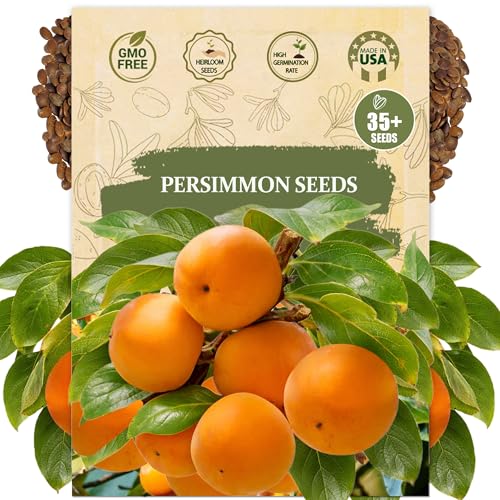
    Persimmon Seeds for Planting – 35+ Heirloom Persimmon Tree Seeds for Home Garden, Fruit Tree Seeds for Backyard Orchard
    Persimmon Seeds for Planting – 35+ Heirloom Persimmon Tree Seeds for Home Garden, Fruit Tree Seeds for Backyard Orchard

    🌳 PERSIMMON TREE SEEDS FOR HOME GARDENS: Persimmon tree seeds are ideal for backyard gardens, raised beds, or seed-starting before transplanting outdoors in suitable climates.
    VIEW LATEST PRICE

    As an affiliate, we earn on qualifying purchases.

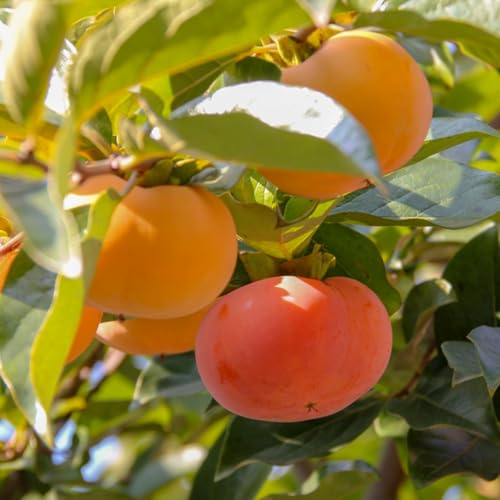
    Persimmon Tree Live Plant, 6-12 Inch Tall Plant Well Rooted in Quart Pot
    Persimmon Tree Live Plant, 6-12 Inch Tall Plant Well Rooted in Quart Pot

    This hardy tree produces sweet, orange fruits in late fall

    VIEW LATEST PRICE

    As an affiliate, we earn on qualifying purchases.

    Conclusion

    In choosing the right persimmon tree variety, consider the climate, fruit characteristics, and disease resistance. Quality trees from reputable nurseries are essential.

    By making thoughtful choices, you can plant the perfect persimmon tree for your needs and enjoy a bountiful harvest for years to come.

    Happy planting, and may your garden flourish with delicious persimmons!

    Share. Facebook Twitter Pinterest LinkedIn Tumblr Email
    lucy smith
    Lucy Smith
    • Website

    Lucy Smith is a highly experienced horticulturist with a passion for fruit tree cultivation. She holds a degree in Horticulture from the University of California, Davis, and has worked in various roles in the industry. With over 10 years of experience, Lucy is dedicated to using eco-friendly methods for sustainable gardening practices.

    Related Posts

    Why Do Persimmon Trees Have Distinctive Bark

    February 12, 2024

    Can Persimmon Trees Adapt to Climate Change

    February 12, 2024

    Creating a Wildlife Habitat With Persimmon Trees

    February 12, 2024

    Where Are Persimmon Trees Considered Invasive

    February 12, 2024

    Is Persimmon Tree Pollen Allergenic

    February 11, 2024

    Can Persimmon Trees Be Used in Herbal Teas

    February 11, 2024
    Leave A Reply Cancel Reply

    Affiliate Disclosure

    As an Amazon Associate I earn from qualifying purchases.

    Recommended Reading

    “How Long Grapefruit Tree Bear Fruit: A Complete Guide to Planting, Harvesting, and Care”

    Why Are My White Nectarine Tree Leaves Turning Purple? Tips to Maintain Vibrant Foliage

    Is Miracle-Gro Bad for Fruit Trees: Understanding Risks and Benefits for Healthy Growth

    Walnut Trees in Indianapolis, IN (Pro Secrets for Success)

    How to Cut Banana Tree After Fruiting: Essential Steps for Healthy New Growth

    What Fruit Trees Grow Well in Idaho: Best Varieties for a Bountiful Backyard Garden

    19 Warm Winter Crochet Clothing Ideas Featuring Layered Garments

    Can Pomegranate Survive Cold Weather

    How Many Years Mango Tree Gives Fruit: Understanding Growth Timelines and Maximizing Harvests

    Can Olive Trees Grow Next to Other Fruit Trees

    Fruit Tree Hub

    Fruit Tree Hub is a website dedicated to providing you everything you need to grow fruit trees successfully at in your own yard.

    Contact us at: [email protected]

    - AFFILIATE DISCLOSURE: As an Amazon Associate I earn from qualifying purchases.

    Latest Posts

    18 Halloween Crochet Blanket Ideas Featuring Pumpkins, Ghosts, and Seasonal Motifs

    20 Festive Fall Crochet Blanket Ideas in Rust, Mustard, and Earthy Tones

    25 Chunky Crochet Blanket Ideas Using Bulky Yarn for Thick Texture

    24 Filet Crochet Blanket Ideas Featuring Openwork Motifs

    19 Simple One-Color Crochet Blanket Ideas for Minimalist Designs

    22 Dreamy Crochet Temperature Blanket Ideas for Year-Long Color Tracking

    18 Lightweight Crochet Picnic Blanket Ideas for Outdoor Use

    20 Practical Crochet Pet Blanket Ideas for Dogs and Cats

    Categories
    • Almond Trees
    • Apple Trees
    • Apricot Trees
    • Best Fruit Trees
    • Blackberry
    • Cantaloupe
    • Cherry Trees
    • Christmas Crochet Ideas
    • Crochet Bag Ideas
    • Crochet Blanket Ideas
    • Crochet Ideas
    • Crochet Ideas for Beginners
    • Cucamelon
    • Easy Crochet Ideas
    • Easy Knitting Projects
    • Fall Crochet Ideas
    • Fig Trees
    • Grapefruit Trees
    • Grapes
    • Guava Trees
    • Halloween Crochet Ideas
    • Honeydew
    • Jujube Trees
    • Kiwi
    • Knitting For Beginners
    • Knitting Ideas
    • Knitting Inspiration
    • Lemon Trees
    • Lime Trees
    • Loquat Trees
    • Mango Trees
    • Mulberry Trees
    • Nectarine Trees
    • Olive Trees
    • Orange Trees
    • Papaya Trees
    • Peach Trees
    • Pear Trees
    • Persimmon Trees
    • Planting
    • Plum Trees
    • Pomegranate Trees
    • Quince Trees
    • Raspberry
    • Reviews
    • Small Crochet Ideas
    • Star Fruit Trees
    • Summer Crochet Ideas
    • Tamarind Trees
    • Tangerine Trees
    • Tips and Advice
    • Tools
    • Uncategorized
    • Walnut Trees
    • Winter Crochet Ideas
    © 2026 Fruit Tree Hub
    • Home
    • About Us
    • Contact
    • Privacy Policy
    • Terms and Conditions
    • Disclaimer
    • Editorial Policy
    • Affiliate Disclosure

    Type above and press Enter to search. Press Esc to cancel.