

Growing pomegranate trees in pots is a viable option for Texas gardeners. These trees thrive in the state’s warm climate, and with proper care, they can produce abundant fruit even in containers.
Pomegranate Varieties for Texas Cultivation
When selecting pomegranate varieties for cultivation in Texas, it’s essential to consider factors such as climate adaptability and fruit quality. The right choice can lead to a fruitful harvest and a thriving potted tree. This section will explore the best pomegranate varieties suited for Texas gardeners, ensuring successful growth and bountiful yields.
Pomegranate trees come in several varieties, each with unique characteristics. Choosing the right type is essential for successful growth in Texas. The most common varieties include:
Wonderful: Known for its large, sweet fruit and vibrant red color.
Angel Red: Offers a sweeter taste and is more resistant to diseases.
Sweet: Produces smaller fruit but is exceptionally sweet and juicy.
Selecting a variety that suits your taste and climate conditions will enhance your gardening experience.
Recommended Products
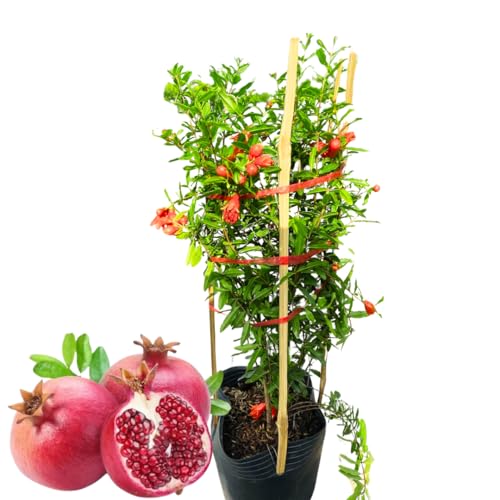
Receive 2 packs of well rooted plants, no pot

Easy to Care: These pomegrante plants are low maintenance and require minimal care. They thrive in well-draining soil and need regular watering.

Container Gardening Essentials for Pomegranate Trees
Container gardening offers a practical solution for growing pomegranate trees in Texas, especially for those with limited space or challenging soil conditions. Understanding the essentials of pot selection, soil composition, and watering techniques is crucial to ensure these vibrant trees thrive. This section will provide the key insights needed to successfully cultivate pomegranate trees in pots.
Before planting, gather the necessary gear and supplies to ensure healthy growth of your pomegranate tree. Here’s a checklist:
| Gear/Supply | Purpose |
|---|---|
| Quality pot | Provides adequate drainage |
| Potting mix | Supports root development |
| Fertilizer | Supplies essential nutrients |
| Watering can | Ensures proper hydration |
| Pruning shears | Maintains tree shape and health |
Investing in quality supplies will facilitate the growth process and improve fruit yield.
Container Preparation for Pomegranate Trees
Preparation is crucial for the successful growth of pomegranate trees in pots. Start by selecting a pot that is at least 18 inches in diameter. Ensure it has drainage holes to prevent root rot. Fill the pot with a well-draining potting mix, ideally one that includes perlite or sand for aeration.
Choose the right location: Place the pot in a spot that receives full sun for at least six hours a day.
Water thoroughly: After planting, water the tree deeply to help establish roots.
Monitor soil moisture: Check the soil regularly to maintain consistent moisture without overwatering.
Proper preparation sets the foundation for a thriving pomegranate tree.
Pomegranate Tree Pot Care Essentials
Caring for pomegranate trees in pots requires specific attention to their unique needs, especially in the Texas climate. This section outlines essential pot care techniques to ensure your pomegranate thrives, from soil selection to watering practices, helping you cultivate a healthy and fruitful tree right in your own backyard.
Caring for pomegranate trees in pots requires attention to several key factors. Regular maintenance will promote healthy growth and fruit production.
Recommended Products

STARTING A TROPICAL GARDEN- Comprised of real horticultural grade ingredients such as shredded coir husk, pine bark, perlite, sand, and garden lime; no pelletized fertilizer

🌟 ESSENTIAL NUTRIENTS — Your Bonsai will be Living in this Stuff For Their Whole Life; Multi-purpose Organic Blend, Consistent Long Term Enriched Growing Medium

USDA Hardiness Zones: 7-11
Pomegranate Tree Watering Guidelines
Proper watering is crucial for the health and productivity of pomegranate trees grown in pots, especially in Texas’s varying climate. Understanding the specific needs of these trees will help ensure they thrive, producing vibrant fruit while adapting to the unique conditions of the Lone Star State. This section provides essential guidelines for effective watering practices.
Pomegranate trees prefer well-drained soil but need regular watering, especially during dry spells. Follow these guidelines:
Water deeply once a week during the growing season.
Reduce watering in the winter months when the tree is dormant.
Check soil moisture by sticking your finger about an inch into the soil.
Pomegranate Tree Fertilization Best Practices
Proper fertilization is essential for the health and productivity of pomegranate trees grown in pots, especially in Texas’s unique climate. Understanding the best practices for nutrient application can significantly enhance growth, fruit quality, and overall vitality. This section outlines effective fertilization techniques tailored specifically for pomegranate trees in a pot, ensuring they thrive in the Lone Star State.
Fertilizing your pomegranate tree helps provide essential nutrients. Consider these steps:
Use a balanced fertilizer in early spring before new growth begins.
Apply a second round of fertilizer in mid-summer.
Follow package instructions for application rates to avoid over-fertilization.
Pomegranate Tree Pruning Strategies for Texas
Pruning is essential for maintaining the health and productivity of pomegranate trees, especially in Texas’s unique climate. This section outlines effective pruning strategies tailored to local conditions, ensuring your pomegranate trees thrive and produce abundant fruit. Understanding the right techniques will help you cultivate a robust and fruitful pomegranate tree in a pot.
Pruning is vital for maintaining the shape and health of your pomegranate tree. Implement these practices:
Prune in late winter or early spring before new growth starts.
Remove any dead or crossing branches to improve air circulation.
Shape the tree to encourage an open center for better sunlight exposure.
Managing Pomegranate Tree Pests in Texas
Managing pests is crucial for the health of pomegranate trees grown in pots in Texas. This section will explore common pests that affect these trees and provide effective strategies for prevention and control, ensuring your pomegranate plants thrive in the unique Texas climate. Understanding these challenges will help you maintain a fruitful and vibrant garden.
Pomegranate trees can face various pests and diseases that may hinder growth. Being proactive is essential for maintaining tree health.
Pomegranate Tree Pest Management in Texas
Managing pests is crucial for the health and productivity of pomegranate trees grown in pots in Texas. This section outlines common pests that affect these trees and offers effective strategies for prevention and control, ensuring your pomegranate plants thrive in the unique Texas climate. Understanding these pest management techniques will help you maintain robust and fruitful trees.
Aphids: Small insects that can weaken the tree. Use insecticidal soap to eliminate them.
Spider mites: These tiny pests thrive in dry conditions. Increase humidity around the tree to deter them.
Pomegranate Tree Disease Management
Managing diseases in pomegranate trees is crucial for maintaining healthy plants, especially in the unique climate of Texas. This section delves into common diseases that affect pomegranate trees and offers practical strategies for prevention and treatment, ensuring your trees thrive in a pot while navigating the challenges of the Lone Star State.
Root rot: Caused by overwatering. Ensure proper drainage and avoid waterlogged soil.
Leaf spot: Fungal infection that can be treated with fungicides. Remove affected leaves promptly.
Regular monitoring and timely intervention can prevent significant damage to your pomegranate tree.
Pomegranate Care Tips for Container Growth
Growing pomegranate trees in pots can be a rewarding endeavor for Texas gardeners looking to maximize their space. Proper care is essential for thriving container-grown pomegranates, as these trees have specific needs that differ from those planted in the ground. This section offers practical tips to ensure your pomegranate flourishes in a pot while adapting to the Lone Star climate.
Growing pomegranate trees in pots in Texas can be rewarding with the right approach. Focus on selecting the best variety, preparing your container properly, and providing consistent care.
Monitor for pests and diseases to ensure a healthy tree and fruitful harvest.
