

Lime trees thrive in Santa Ana, CA due to the region’s warm climate and coastal influences. Proper care ensures healthy growth and abundant fruit production, making it essential for local gardeners to understand specific needs and maintenance practices.
Lime Tree Varieties for Santa Ana Gardens
Lime trees come in several varieties, each with unique characteristics suited for different gardening conditions. The most popular types in Santa Ana include the Persian lime, known for its large fruit and high yield, and the Key lime, which offers a more intense flavor. Understanding these varieties helps in selecting the right tree for your garden.
Recommended Products

DWARF PERSIAN LIME TREE: Grow fresh citrus greenery with a live grafted Persian Lime tree, ideal for home gardens, patios, balconies, and container growing.
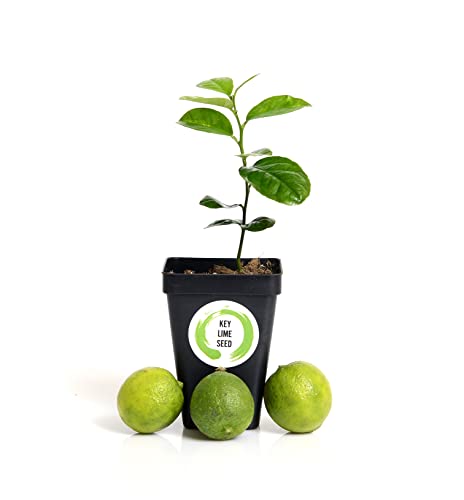

BRIGHTEN YOUR SPACE WITH CITRUS APPEAL: The Persian lime tree features vibrant leaves and glossy green fruit, adding freshness to indoor or patio spaces. Due to USDA regulations, we do not ship to freight forwarding locations, hotels, PO Boxes, Military (AFO/FPO), AZ, AL, CA, LA, HI, TX, Puerto Rico, Guam, U.S. Virgin Islands, American Samoa, and Northern Mariana Islands. Suited for mother's day gifts, plant gifts for women, and plant gifts for mom for growing citrus at home.
Persian Lime Benefits for Home Gardens
Persian limes are a popular choice for home gardens in Santa Ana, CA, thanks to their vibrant flavor and adaptability to coastal climates. These trees not only enhance the aesthetic appeal of outdoor spaces but also provide a steady supply of fresh fruit, making them a rewarding addition for both novice and experienced gardeners. Understanding their benefits can help you make the most of your gardening efforts.
The Persian lime is a seedless variety that produces larger, juicier fruit. It is more tolerant of various soil types and is less susceptible to pests. This variety is ideal for home gardens due to its high productivity.
Key Lime Traits for Coastal Growth
Key limes thrive in coastal environments, particularly in Santa Ana, CA, where the climate and soil conditions are favorable for their growth. Understanding the specific traits that contribute to their success can help both novice and experienced gardeners cultivate these citrus trees effectively. This section delves into the essential characteristics that make key limes well-suited for coastal cultivation.
The Key lime is smaller and has a more acidic flavor. It thrives in well-drained soils and requires more care to prevent pests. This variety is perfect for culinary uses, especially in desserts and cocktails.
Essential Practices for Lime Tree Care
Caring for lime trees in Santa Ana, CA requires a tailored approach to ensure their health and productivity. Given the region’s coastal climate, understanding specific care practices can significantly enhance growth and fruit quality. This section outlines essential techniques for nurturing lime trees, focusing on watering, fertilization, and pest management.
Caring for lime trees in Santa Ana involves several key practices to ensure optimal growth and fruit production. Regular watering, fertilization, and pruning are essential. Understanding the specific needs of lime trees will help gardeners achieve the best results.
Irrigation Guidelines for Lime Trees
Proper irrigation is crucial for the health and productivity of lime trees in Santa Ana, CA, where coastal conditions can influence water needs. Understanding the specific requirements for these trees will help ensure they thrive in the local climate, providing bountiful fruit and vibrant foliage. This section outlines essential guidelines for effective irrigation practices tailored to lime trees.
Lime trees prefer well-drained soil and should be watered deeply but infrequently. Over-watering can lead to root rot, while under-watering can stress the tree. Aim for:
Frequency: Water every 7-10 days during dry spells.
Amount: Provide 1-2 inches of water per week.
Optimal Fertilization for Lime Trees
Fertilization plays a crucial role in the health and productivity of lime trees, especially in the unique coastal climate of Santa Ana, CA. Understanding the specific nutrient needs and optimal timing for fertilization can significantly enhance fruit quality and tree vitality. This section will explore effective fertilization strategies tailored to the local conditions for thriving lime trees.
Fertilizing lime trees promotes healthy growth and fruiting. Use a balanced fertilizer with a ratio of 2-1-1 or similar. Apply fertilizer three times a year:
Early Spring: Initiate growth phase.
Mid-Summer: Support fruit development.
Fall: Prepare for dormancy.
Pruning Strategies for Santa Ana Lime Trees
Pruning is essential for maintaining the health and productivity of lime trees in Santa Ana’s coastal climate. Effective pruning strategies can enhance fruit quality, promote growth, and prevent disease. Understanding the best practices tailored to this region will help ensure your lime trees thrive year-round.
Regular pruning helps maintain tree shape and encourages airflow. Focus on removing dead or diseased branches. Prune during late winter or early spring to avoid disrupting flowering.
Common Lime Tree Pests and Diseases
In Santa Ana, CA, lime trees thrive in the coastal climate, but they can be susceptible to various pests and diseases. Understanding these common threats is essential for maintaining healthy trees and ensuring a fruitful harvest. This section explores the most prevalent issues that lime trees face in this region and offers insights for effective management.
Lime trees are susceptible to various pests and diseases that can affect their health. Identifying these issues early allows for timely intervention, ensuring trees remain productive.
| Pest/Disease | Symptoms | Treatment |
|---|---|---|
| Aphids | Curling leaves | Use insecticidal soap |
| Scale | Sticky residue | Apply horticultural oil |
| Root rot | Wilting leaves | Improve drainage, reduce watering |
Recommended Products

CROP, GARDEN & HOUSEPLANT INSECT CONTROL. Trifecta Crop Control all-natural, plant-based formula effectively combats destructive spider mites, aphids, whiteflies, fungus gnats, and other soft-bodied pests on indoor and outdoor plants. Our biodegradable, eco-friendly solution is safe for use on edible crops, without chemical residues. Our gentle yet potent plant spray suffocates and dehydrates pests without harming beneficial insects or the environment, making it ideal for organic gardening.

Bonide Liquid Insecticidal Soap 12 oz.88

KILLS AND REPELS INSECTS - Knockdown common insects including spider mites, aphids, whiteflies, mealybugs, leafrollers, scale, thrips, cucumber beetle, carrot rust fly, earwig, tomato hornworm, Colorado potato beetle with a safe and effective insecticide plant spray.
Pest and Disease Prevention Strategies
Effective pest and disease prevention is crucial for maintaining the health of lime trees in Santa Ana, CA. Given the region’s unique coastal climate, understanding specific threats and implementing targeted strategies can significantly enhance the resilience of these trees. This section explores practical approaches to safeguard lime trees from common pests and diseases.
Preventing pests and diseases is crucial for maintaining healthy lime trees. Regular inspections and proper cultural practices can minimize risks. Implement the following:
Mulching: Retain moisture and suppress weeds.
Companion planting: Use plants that deter pests.
Harvest Timing and Techniques for Limes
Understanding the optimal harvest timing and techniques for lime trees is crucial for growers in Santa Ana, CA. With the region’s unique coastal climate, knowing when to pick and how to handle limes can significantly impact fruit quality and yield. This section delves into the best practices for harvesting limes to ensure a successful crop.
Harvesting limes at the right time ensures peak flavor and quality. Understanding when and how to harvest can enhance your yield and enjoyment of the fruit.
Recommended Products

🍎【13.8 FT Telescoping Fruit Picker Pole, Reach High Fruits Safely】 Harvest fruits from tall trees without climbing ladders. The adjustable telescoping fruit picker pole extends up to 13.8 feet, allowing you to easily reach high branches and pick apples, mangoes, oranges, and other tree fruits safely.

Foam Pad Protection - The fruit picker tool is equipped with a large capacity metal basket with a diameter of 5.5 inches, including an ultra thick elastic foam pad. The fruit picker pole can accommodate multiple fruits, ensuring that the picked fruits fall on a soft surface, protecting each piece of fruit from damage or scratches. Perfect for picking fruit such as apple, orange, avocado, apricot, mango, lemon, pears, plums, and more!

Multiple stainless steel pole sections support free length combination. Pick high fruits standing on the ground without ladders or climbing, completely avoiding fall risks while harvesting.
Lime Harvest Readiness Indicators
Understanding when lime trees are ready for harvest is crucial for maximizing yield and quality. In Santa Ana’s coastal climate, specific indicators can signal the optimal time for picking. This section will explore these readiness indicators to help growers ensure their limes reach peak flavor and ripeness.
Limes are typically ready for harvest when they turn from green to a slightly yellowish hue. Check for firmness and size:
Persian limes: Harvest when they reach about 2-3 inches in diameter.
Key limes: Look for a slight yellow tint, indicating ripeness.
Lime Harvesting Techniques in Santa Ana
Lime harvesting in Santa Ana requires specific techniques to ensure optimal yield and quality. The region’s unique coastal climate influences the timing and methods used, making it essential for growers to adapt their practices accordingly. Understanding these techniques can significantly enhance the success of lime production in this vibrant agricultural area.
Use pruning shears to cut limes from the tree, leaving a short stem attached. This prevents damage to the fruit and tree. Handle limes gently to avoid bruising.
Cultivation Strategies for Santa Ana Lime Trees
Cultivating lime trees in Santa Ana requires a tailored approach that considers the region’s unique coastal climate. Understanding the specific needs for soil, watering, and pest management can significantly enhance the health and productivity of these trees. This section outlines effective strategies to ensure successful growth and fruit production in this vibrant area.
Growing lime trees in Santa Ana requires understanding local climate conditions and soil types. Knowing how to adapt care practices to these conditions can lead to successful cultivation.
Soil pH and Drainage for Lime Trees
Understanding the soil pH and drainage requirements is crucial for the successful growth of lime trees in Santa Ana, CA. The right conditions not only promote healthy root development but also enhance fruit quality. This section delves into the optimal soil characteristics necessary for thriving lime trees in the coastal climate.
Lime trees prefer sandy, well-drained soil. Test your soil pH; it should be between 6.0 and 7.0. Amend soil with organic matter to improve drainage and nutrient content.
Coastal Climate Benefits for Lime Trees
Santa Ana, California, offers a unique coastal climate that significantly benefits lime tree cultivation. The region’s mild temperatures, ample sunshine, and coastal breezes create an ideal environment for these citrus trees to thrive. Understanding these climatic advantages can help growers maximize their lime production and ensure healthy tree development.
Santa Ana’s coastal climate is ideal for lime trees. However, during winter, protect young trees from frost by covering them or using frost cloths.
Lime Tree Care Adjustments for Santa Ana
Caring for lime trees in Santa Ana requires specific adjustments due to the region’s unique coastal climate. Understanding the interplay of temperature, humidity, and soil conditions is essential for promoting healthy growth and maximizing fruit production. This section outlines practical care strategies tailored to the environmental factors that influence lime tree health in this area.
Regular monitoring and adjustments to care practices are essential for thriving lime trees. Stay vigilant for changes in growth patterns and adjust watering and fertilization accordingly.
Lime trees can flourish in Santa Ana with proper attention to care and maintenance. By understanding their needs, gardeners can enjoy a bountiful harvest.
