Close Menu
    Fruit Tree Hub
    • Home
    • Apple Trees
    • Lemon Trees
    • Mango Trees
    • Orange Trees
    • More Trees
      • Best Fruit Trees
      • Apricot Trees
      • Cherry Trees
      • Fig Trees
      • Lime Trees
      • Mulberry Trees
      • Peach Trees
      • Pear Trees
      • Plum Trees
      • Pomegranate Trees
    • Tips and Advice
      • Tools
    • About Us
      • Contact
      • Privacy Policy
    Fruit Tree Hub
    Home»Tools»How to Effectively Use and Maintain Your Lynx Tree Pruner: Essential Tips
    Tools

    How to Effectively Use and Maintain Your Lynx Tree Pruner: Essential Tips

    Lucy SmithBy Lucy SmithApril 5, 20244 Mins Read
    Share Facebook Twitter Pinterest WhatsApp Email
    Share
    Facebook Twitter LinkedIn Pinterest Telegram Email

    Ever found yourself struggling to trim those hard-to-reach branches in your garden? Imagine a tool that could make this task a breeze. What if we told you that the Lynx tree pruner is the solution you’ve been looking for?

    Contents show
    1 Understanding the Lynx Tree Pruner
    2 Assembly of the Tree Pruner
    3 Proper Techniques for Pruning with Lynx
    3.1 Step 1: Securing the Branch
    3.2 Step 2: Positioning the Pruner Correctly
    3.3 Step 3: Operating the Rope for a Smooth Cut
    4 Maintenance and Storage Tips
    5 Conclusion
    6 Frequently Asked Questions
    6.1 How often should I clean the Lynx Tree Pruner?
    6.2 How often should I inspect the blades of the Lynx Tree Pruner?
    6.3 What are the storage tips for the Lynx Tree Pruner?

    Picture this: You’re standing in your yard, eyeing those unruly branches dangling just out of reach. With the Lynx tree pruner in hand, you can effortlessly tackle those pesky limbs without breaking a sweat.

    In this article, we’ll guide you through the ins and outs of using the Lynx tree pruner, helping you transform your pruning experience from a chore to a joy.

    Understanding the Lynx Tree Pruner

    When understanding the Lynx Tree Pruner, it’s crucial to grasp its key features and components for effective use.

    • The pruner head: This is the cutting component, designed to smoothly and cleanly cut through branches.
    • The pole: This long handle allows you to reach high branches without the need for a ladder, ensuring safety and efficiency in your pruning tasks.
    • The rope: Attached to the pruner head, the rope enables you to control the cutting action from the ground, giving you precise control over the cutting process.
    MUST READ
    What Happened to Power Pruner Pole Saws? Discover Alternatives for Tree Trimming

    To use the Lynx Tree Pruner effectively:

    • Secure the branch: Before cutting, secure the branch to prevent it from falling unpredictably.
    • Position the pruner: Ensure the pruner head is at the right angle on the branch for a clean cut.
    • Operate the rope: Pull the rope in a smooth, controlled motion to activate the cutting mechanism.
    • Repeat as needed: For thicker branches, it may be necessary to make multiple cuts to avoid damage to the tool or the tree.

    By familiarizing yourself with the Lynx Tree Pruner and following these steps, you can confidently tackle hard-to-reach branches in your garden, making pruning a breeze.

    Assembly of the Tree Pruner

    When assembling your Lynx Tree Pruner, follow these steps:

    • Start by connecting the pole sections until you reach the desired length.
    • Ensure each section is securely locked in place.
    • Next, attach the pruner head to the end of the pole.
    • Make sure it clicks into place to avoid any accidents.
    • Check all connections before use to guarantee safety.
    • Now your Lynx Tree Pruner is fully assembled and ready for trimming!

    Remember, proper assembly is key to using your tree pruner effectively.

    Proper Techniques for Pruning with Lynx

    To effectively use your Lynx Tree Pruner, proper techniques are essential for achieving clean cuts and maintaining the health of your trees.

    Recommended Products
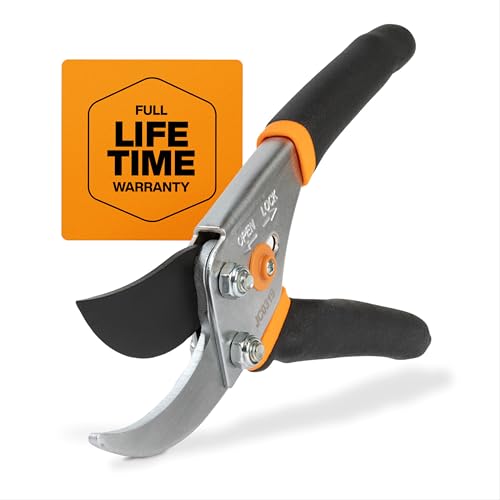
    Fiskars Bypass Pruning Shears, 5/8" Cut Capacity Gardening Scissors, Self-Cleaning Sap Groove Prevents Sticking, Non-Slip Grip for Cutting Stems & Branches, Sharp Steel Blades w/ Low-Friction Coating
    Fiskars Bypass Pruning Shears, 5/8" Cut Capacity Gardening Scissors, Self-Cleaning Sap Groove Prevents Sticking, Non-Slip Grip for Cutting Stems & Branches, Sharp Steel Blades w/ Low-Friction Coating

    CLEAN CUTS FOR LIVE GROWTH: Bypass blade design is ideal for pruning delicate flower stems and green growth, helping reduce crushing and plant damage while cutting stems and small branches up to 5/8” in diameter

    MUST READ
    How to Efficiently Open Your Fiskars Softgrip Bypass Pruner: Step-by-Step Guide
    VIEW LATEST PRICE

    As an affiliate, we earn on qualifying purchases.

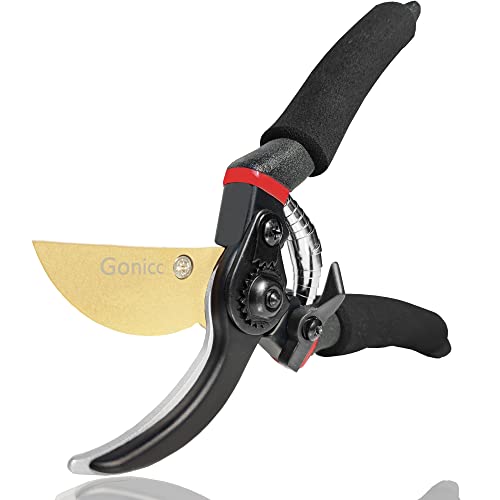
    VOTREK® Pruning Shears, 8.5” Professional Garden Pruner with Jam-Proof Spring & Ever-Sharp SK5 Blade, Ergonomic Bypass Clippers for Rose, Tree Trimming, Heavy Duty Bonsai Scissor for Weak Hand
    VOTREK® Pruning Shears, 8.5” Professional Garden Pruner with Jam-Proof Spring & Ever-Sharp SK5 Blade, Ergonomic Bypass Clippers for Rose, Tree Trimming, Heavy Duty Bonsai Scissor for Weak Hand

    What Makes VT-C800 Unique? Jam-Proof Sealed Spring | Ever-Sharp Dual-Coated SK5 Blades | Easy Thumb Lock | Backed by Lifetime Support

    VIEW LATEST PRICE

    As an affiliate, we earn on qualifying purchases.

    DECERK® 8.5" Professional Pruning Shears - Cuts 4X Easier with Ultra Sharp Japanese Steel Titanium Blade, Arthritis Friendly Garden Scissors & Plant Clippers, Effortlessly Prunes 3/4" Branches
    DECERK® 8.5" Professional Pruning Shears - Cuts 4X Easier with Ultra Sharp Japanese Steel Titanium Blade, Arthritis Friendly Garden Scissors & Plant Clippers, Effortlessly Prunes 3/4" Branches

    Unbreakable sharpness! Japanese SK5 steel blade with titanium coating endures 100,000 cuts. Built for lifelong clean cuts

    VIEW LATEST PRICE

    As an affiliate, we earn on qualifying purchases.

    Step 1: Securing the Branch

    • Identify the branch you want to prune.
    • Secure the branch with one hand to prevent it from falling unpredictably.

    Step 2: Positioning the Pruner Correctly

    • Extend the pole to reach the branch.
    • Position the pruner head at the base of the branch you want to cut.

    Step 3: Operating the Rope for a Smooth Cut

    • Hold the pole with both hands for stability.
    • Pull the rope gently but firmly to activate the cutting action.
    • For thicker branches, make a few small cuts instead of one large one.
    • This prevents the branch from splitting or causing damage.

    By following these practical steps, you can make the most of your Lynx Tree Pruner and keep your garden looking neat and tidy.

    Maintenance and Storage Tips

    When it comes to maintaining your Lynx Tree Pruner, here are some simple yet effective tips:

    • Clean the pruner after each use to remove sap and debris
    • Inspect the blades regularly for any signs of wear or damage
    • Keep the blades sharp for clean cuts by sharpening them when needed
    MUST READ
    Understanding Tree Pruners: Types, Tips, and Safety Measures Explored

    For storage, remember:

    • Store the pruner in a dry place to prevent rust
    • Cover the blades or use a protective case to avoid accidents
    • Keep it out of reach of children and pets

    By following these maintenance and storage tips, you ensure that your Lynx Tree Pruner stays in top condition for your next gardening session.

    Conclusion

    That’s it for using your Lynx Tree Pruner! Remember to clean and inspect it regularly to ensure it stays in great shape. Proper storage is key, so keep it in a dry spot, cover the blades, and store it safely. By following these simple tips, you’ll be ready for all your gardening tasks. Happy pruning!

    Frequently Asked Questions

    How often should I clean the Lynx Tree Pruner?

    Clean the Lynx Tree Pruner after each use to prevent sap buildup and ensure smooth cutting performance.

    How often should I inspect the blades of the Lynx Tree Pruner?

    Regularly inspect the blades of the Lynx Tree Pruner to check for any damage or dullness that may affect cutting efficiency.

    What are the storage tips for the Lynx Tree Pruner?

    Store the Lynx Tree Pruner in a dry place, cover the blades, and keep it out of reach of children and pets to prolong its lifespan.

    Share. Facebook Twitter Pinterest LinkedIn Tumblr Email
    lucy smith
    Lucy Smith
    • Website

    Lucy Smith is a highly experienced horticulturist with a passion for fruit tree cultivation. She holds a degree in Horticulture from the University of California, Davis, and has worked in various roles in the industry. With over 10 years of experience, Lucy is dedicated to using eco-friendly methods for sustainable gardening practices.

    Related Posts

    5 Best Cordless Pruners of 2024 – Effortless Gardening Tools Reviewed

    September 26, 2024

    The 5 Best Loppers of 2024: Pruning Made Easy and Efficient

    September 26, 2024

    The 5 Best Pruning Saws of 2024 – Cut Through Your Gardening Tasks With Ease

    September 26, 2024

    The 5 Best Pruning Shears of 2024 – Your Essential Gardening Tools

    September 26, 2024

    5 Best Heavy Duty Pruning Shears for Effortless Gardening in 2024

    September 26, 2024

    The 4 Best Pruning Blades for Reciprocating Saws: Ultimate Guide for Gardeners

    September 26, 2024
    Leave A Reply Cancel Reply

    Affiliate Disclosure

    As an Amazon Associate I earn from qualifying purchases.

    Recommended Reading

    Sowing Cantaloupe Seeds: A Comprehensive Guide for Successful Growth

    What Fruit Trees Grow in Nebraska: Best Varieties for Your Home Orchard

    What Fruit Trees Grow Best in Houston Texas for Your Home Garden Success

    What Fruit Trees Grow Well in Massachusetts: A Guide to Thriving Varieties and Care Tips

    Can I Plant Fruit Trees in Fall for a Healthier Harvest Next Season?

    Growing Kiwi in Kentucky: Tips for Cultivating Fresh Fruits Successfully

    Growing Honeydew Melons on a Trellis: Tips for Space-Saving Harvests

    Can I Plant Fruit Trees in July for a Successful Harvest This Season?

    21 Easy Crochet Ideas for Beginners You’ll Wish You Tried Sooner

    Maximizing Grapefruit Tree Health: Understanding the Role of Spiders and Effective Pest Management

    Fruit Tree Hub

    Fruit Tree Hub is a website dedicated to providing you everything you need to grow fruit trees successfully at in your own yard.

    Contact us at: [email protected]

    - AFFILIATE DISCLOSURE: As an Amazon Associate I earn from qualifying purchases.

    Latest Posts

    Plum Trees in a Pot in Idaho: Cold-Climate Success Strategies

    Persimmon Trees in District of Columbia (Urban Microclimate Tips)

    Grapefruit Trees in Riverside, CA (Inland Empire Success)

    Quince Trees in New Jersey (Garden State Planting Secrets)

    Can Jujube Trees Grow in Boston, MA? New England Success

    Can Tangerine Trees Grow in New York? Expert-Tested Secrets

    Pomegranate Trees in a Pot in Idaho (Year-Round Care Walkthrough)

    Growing Olive Trees in Virginia: Piedmont Regional Advice

    Categories
    • Almond Trees
    • Apple Trees
    • Apricot Trees
    • Best Fruit Trees
    • Blackberry
    • Cantaloupe
    • Cherry Trees
    • Crochet Ideas
    • Crochet Ideas for Beginners
    • Cucamelon
    • Easy Crochet Ideas
    • Easy Knitting Projects
    • Fig Trees
    • Grapefruit Trees
    • Grapes
    • Guava Trees
    • Honeydew
    • Jujube Trees
    • Kiwi
    • Knitting For Beginners
    • Knitting Ideas
    • Knitting Inspiration
    • Lemon Trees
    • Lime Trees
    • Loquat Trees
    • Mango Trees
    • Mulberry Trees
    • Nectarine Trees
    • Olive Trees
    • Orange Trees
    • Papaya Trees
    • Peach Trees
    • Pear Trees
    • Persimmon Trees
    • Planting
    • Plum Trees
    • Pomegranate Trees
    • Quince Trees
    • Raspberry
    • Reviews
    • Small Crochet Ideas
    • Star Fruit Trees
    • Summer Crochet Ideas
    • Tamarind Trees
    • Tangerine Trees
    • Tips and Advice
    • Tools
    • Uncategorized
    • Walnut Trees
    © 2026 Fruit Tree Hub
    • Home
    • About Us
    • Contact
    • Privacy Policy
    • Terms and Conditions
    • Disclaimer
    • Editorial Policy
    • Affiliate Disclosure

    Type above and press Enter to search. Press Esc to cancel.